

What will cybersecurity look like in 2025?
There are many cybersecurity trends that promise to shape the future of security — including passwordless credentials and giving even more power to artificial intelligence.
Many solutions are already being implemented by cybersecurity teams.
However, only some of them are here to stay.
One of the most promising solutions is Open XDR, the platform that has risen from the ashes of old security information and event management (SIEM) technology that overwhelmed teams with alerts.
For many businesses, using Open XDR is already a standard practice.
What is this open platform all about, and how does the leading Open XDR innovator Stellar Cyber already help companies to strengthen their defenses and increase response time?
What Is Open XDR?
Open extended detection and response (Open XDR) is a platform that integrates versatile security tools in one place. In most cases, they include different cloud protection solutions, SIEM, Endpoint Detection and Response (EDR), and others.
The solution is primarily focused on data and event management as well as responding to threats.
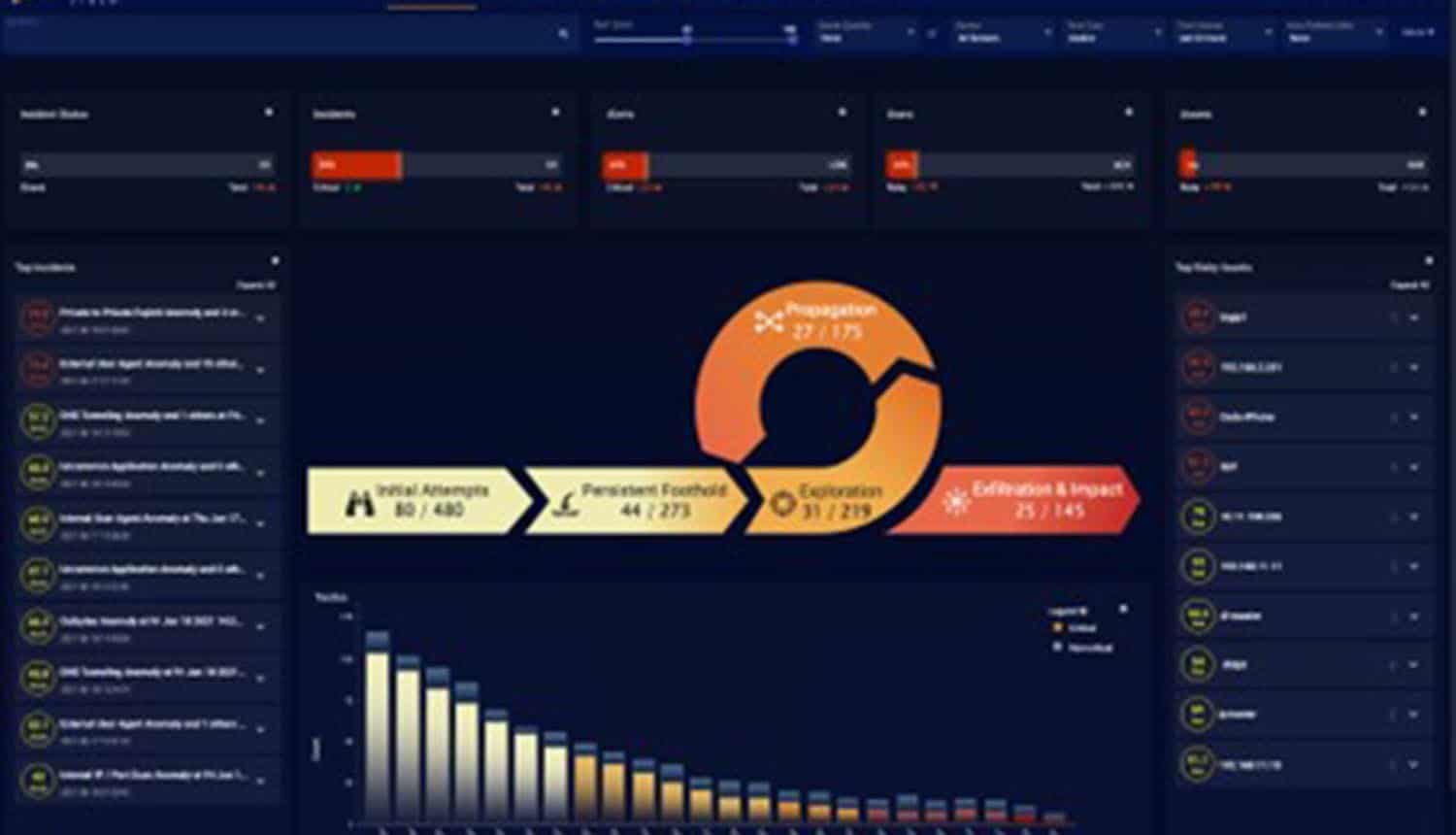
The tool gathers threat intelligence information incoming from protective tools and correlates the information in a single dashboard.
This enables security teams to have a clear and complete overview of critical risks that could damage an organization’s reputation and finances.
Data aids security analysts in making quick and informed decisions on how to respond to threats that are endangering the business.
The main advantages of using Open XDR are:
- Rapid reaction to threats within the system
- Ease of scaling of the security solutions that follow the growth of a company
- Keeping all important data in one place
- Having one dashboard and resource to rely on when making essential decisions
- No more false positives
- Cutting costs that would otherwise have to go towards multiple different unconnected solutions
Stellar Cyber’s Spin On Open XDR
Every vendor that offers Open XDR has a different definition of the platform and what “open” means in the context of the services they offer. They also build their XDR infrastructure with versatile components.
Open usually refers to various abilities of the XDR that include management and security of the information, threat hunting, and responding to risks. What’s more, open can also hint at the architecture that is accepting and integrating components of other third parties.
Stellar Cyber, the leader when it comes to Open XDR, has been developing this technology since 2015 in an attempt to solve the issue of too much uncorrelated data and not enough time.
One of their main goals since the start has been to optimize security across the entire attack surface (anything that can be targeted by cybercriminals, from the PCs on the premises to the tablets workers use while working from home).
Nowadays, they have an ever-evolving platform that automatically and precisely detects threats and responds to them before they even get a chance to escalate to incidents. To achieve that, they gather these solutions under the same hood:
- Next-Generation Security Operations Center (NG-SOC) — for gathering and correlating big data
- Next-Gen Security information and event management (NG-SIEM) — for predicting threats
- Network Detection and Response (NDR) — machine learning-based threat detection that considers the context of a company
- Endpoint Detection and Response (EDR) — to detect issues across the entire attack surface, not leaving any worker’s endpoint device behind
As a result, the platform simplifies the security for understaffed professionals, leaving more time to dedicate to more complex tasks and further automation.
Stellar Cyber has recently partnered with major brands, including Blackberry/Cylance, CYRISMA, Check Point, Deep Instinct, Malwarebytes, Oracle, Ridge Security, and Sonic Wall.
They have therefore integrated the best solutions that are being offered by other companies that specialize in security, and have correlated all of the data coming from those tools to create a complete image of the attack surface for security teams.
Competing companies are going to have a difficult time catching up with Stellar’s platform, and their reputation as an industry leader.
The Future of Cybersecurity
The field of cybersecurity struggles with many issues at the moment — such as understaffed teams, a shortage of security professionals, too many alerts, and an overbearing number of threats.
Therefore, it’s safe to say that the future of the industry is going to be shaped by the solutions that are better at solving those key issues.
For instance, SIEM has been notorious for the high number of alerts that often couldn’t be linked to specific issues in security. Security analysts don’t have time to address every single alert, and they’ve learned to discard many of them as false positives.
This is dangerous since it leads to not addressing “minor” issues that would later enable threat actors to exploit flaws and cause major incidents such as data breaches and ransomware.
Proper data correlation and analysis that Open XDR provides for overworked and overwhelmed security teams is the key information they need to react promptly and save companies from expensive threats.
Many businesses already rely on Open XDR technology to improve their security, with the technology getting more elaborate and comprehensive every day — thus, they’re more confident in accurately pinpointing security problems across the entire infrastructure.
Key Takeaways: Improving Threat Management With Open XDR
In a nutshell, Open XDR facilitates the jobs of security teams who are up against ever-increasing volumes of attacks, have to protect infrastructures that are continually growing in complexity, and have to make sense of all the data that informs their next move.
Instead of overwhelmed, it leaves teams informed.
Stellar Cyber is at the forefront of this technology that is integral for comprehensive detection and timely reaction to threats — wherever they might come from.
Their integration with other high-caliber companies such as Check Point, Deep Instinct, Malwarebytes, and Oracle gives their customers access to even more top security tools.
Companies such as Stellar Cyber that evolve and improve on the old solutions to fight against the growing attacks surfaces of today shape the future of security.
