
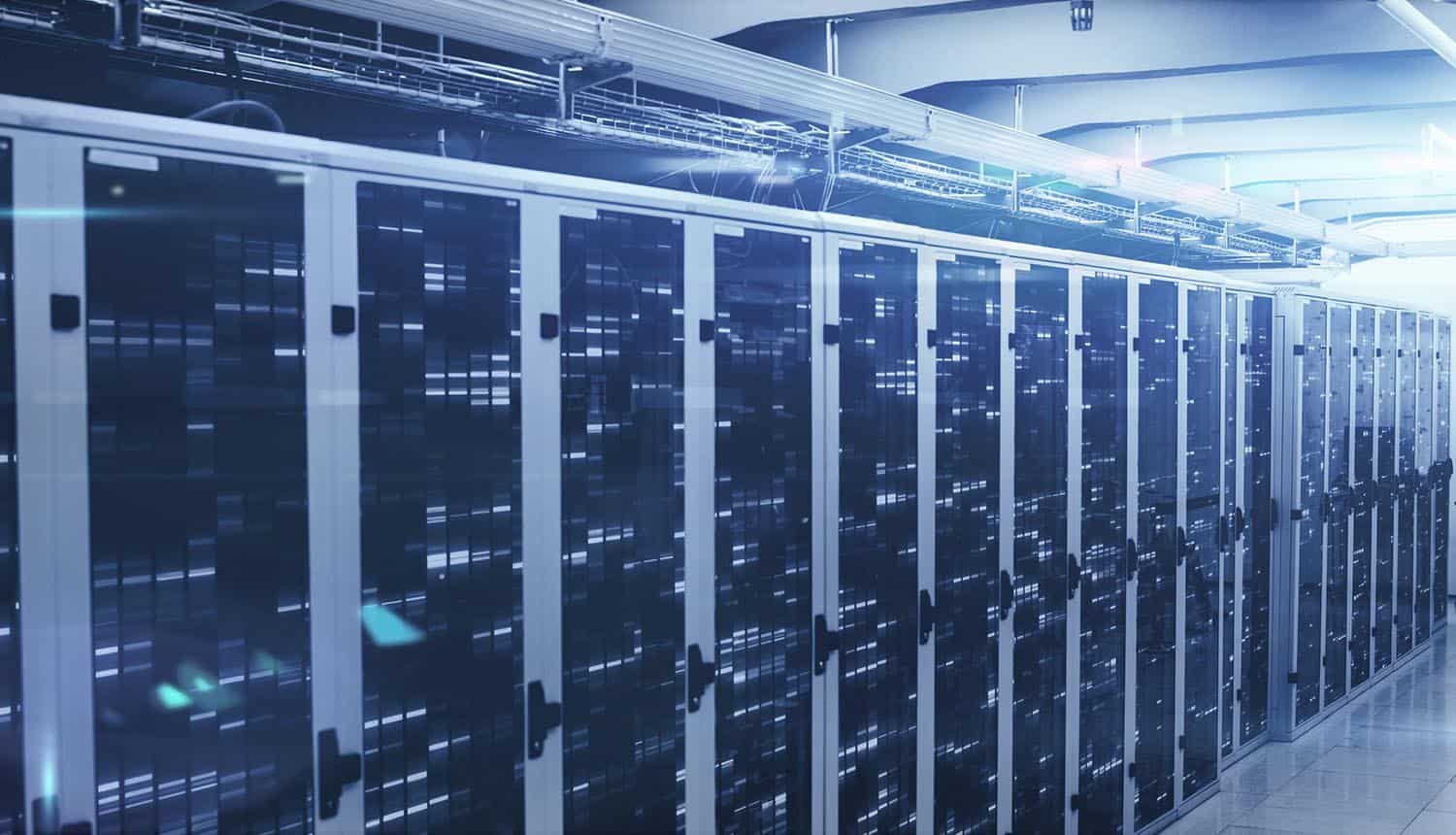

The demand for digital products, online entertainment, and SaaS is growing as the internet gets older, and with it comes the need to store and transfer data en masse. Every time you load a website and interact with it, or download its files, you are pulling data from its servers and into your browser.
Those servers handle a lot of data, for a lot of people. Here’s a look into how they work by providing a vast but always accessible pool of online data.
The Demand For Scalable Data Storage
When trying to find data storage, scalability is one of the many considerations that online businesses have. Data adds up quickly, so businesses use solutions that they won’t outgrow any time soon. They need to simultaneously store large amounts of data and deliver it to an ever-increasing audience.
Maybe the site is just big, maybe it’s a file-sharing site, or hosts software on-site for visitors to interact with. Websites aren’t made equal, with some sites’ data requirements dwarfing others depending on what they offer. In iGaming, sites have hundreds of games ready to go at any moment. Some are even live or use audience interaction, requiring live infrastructure and the data requirements that brings. A good example from a familiar name is the MONOPOLY Big Baller game, which describes itself as being “half game show.”
Whether cloud-based or on-site, the largest websites and online business hubs are run from data centers. There are many kinds but, in the case of large websites with data-intensive workloads, they’ll typically be enterprise data centers. Cisco explains data centers here, including different types. Through standard HTTP protocols, accessing the site pulls data from the servers and to your browser as we described.
The Benefits Of Server-Side Data Storage
Server-side storage edges out other big data storage methods like disk arrays due to a few things. There’s the scalability, as mentioned, but also lower hardware costs which is the real draw for online businesses big and small. A small business can easily grow its server-side storage capabilities to match its expanding data footprint. Likewise, a larger business can invest into vast, highly competent server configurations that pay off in the long term due to their cost-effectiveness, something explained in more detail below.
When taking into consideration the vast amounts of data they keep, it has never been more cost-effective to run servers. There are other benefits that come with servers too, assuming good maintenance such as creating back-ups and automating error discovery. For example, they can be secure if on-site or managed by a trusted data management provider. On-site servers are also great for centralization, though this could be achieved by renting one high-capacity data center.
Data Virtualization & Hyper-Converged Infrastructure
Data virtualization was also a game-changer for server-side storage. This is where stored information can be represented and manipulated digitally, like a middleman between the server and the user device. From there, users can view and pull data in real time, where it’s all in one place even if the data originates from multiple hardware sources or even locations. A single point of access created through virtualization helps simplify and secure a website’s data management, which in turn loops back around to becoming more efficient and cost-effective than most alternatives.
Virtualization is continuing its march through the datacenter, fundamentally changing IT environments forever. Make #data recovery and reuse fast and easy with a quick to deploy, simple to manage solution.
— IBM Servers @ Think 2023 (@IBMservers) April 12, 2019
Hyper-converged infrastructure helped doubled down on this, enabling the integration of server storage and network applications into one. VMWare explains HCI best, the short and simple version being that it optimizes server storage since processing servers and storage servers merge and make the job of managing and growing data centers easier. It also means that SANs (Storage Area Networks) aren’t a necessity which again, can be a headache to manage when storage isn’t in the same place. Virtualization and hyper-convergence solve that and make servers more efficient as all-in-one solutions.
