

Identity verification is getting an AI makeover, and things are about to get really interesting. The global identity verification market is projected to reach over $18 billion by 2027 as more businesses wake up to the massive problem of ID fraud. But there’s good news – video verification powered by artificial intelligence has arrived on the scene, and it could be the solution we’ve been waiting for.
New AI systems can analyze a video selfie and confirm if you’re really you in mere seconds. And we’re not just talking facial recognition here (though that is part of it). These clever AI tools do everything from spotting tiny micro-expressions that give away deception to matching your voice and face on video to stop fraudsters in their tracks.
With the help of AI, video verification promises to become faster, more accurate, and light-years ahead of those clumsy manual reviews. Does this mean the end of scam artists exploiting weak links in the system? Not so fast – but it could make their jobs a whole lot harder.
The Problem With Traditional ID Verification
Traditional identity verification has some major weak spots that leave the door open for fraud. Verifying IDs manually makes the process slow and inefficient – and humans just aren’t that great at detecting fake driver’s licenses and passports. Even if the ID looks legit, how do you confirm it actually belongs to the person using it?
On top of this, even basic programs such as Photoshop make it relatively easy for scammers to slap their face onto someone else’s ID. And let’s not get started on how many times data entry errors or expired documents let fraudsters slip through the cracks. There are no two ways about it, old-school ID verification just can’t keep up with increasingly crafty hackers and scam artists.
How AI Video Analysis Works
AI video verification leaves old manual ID checks in the dust. When you take a short video selfie, advanced artificial intelligence systems go to work comparing your face to your ID photo and analyzing for signs of spoofing. Here’s a deep dive into how it works:
Facial Recognition Technology
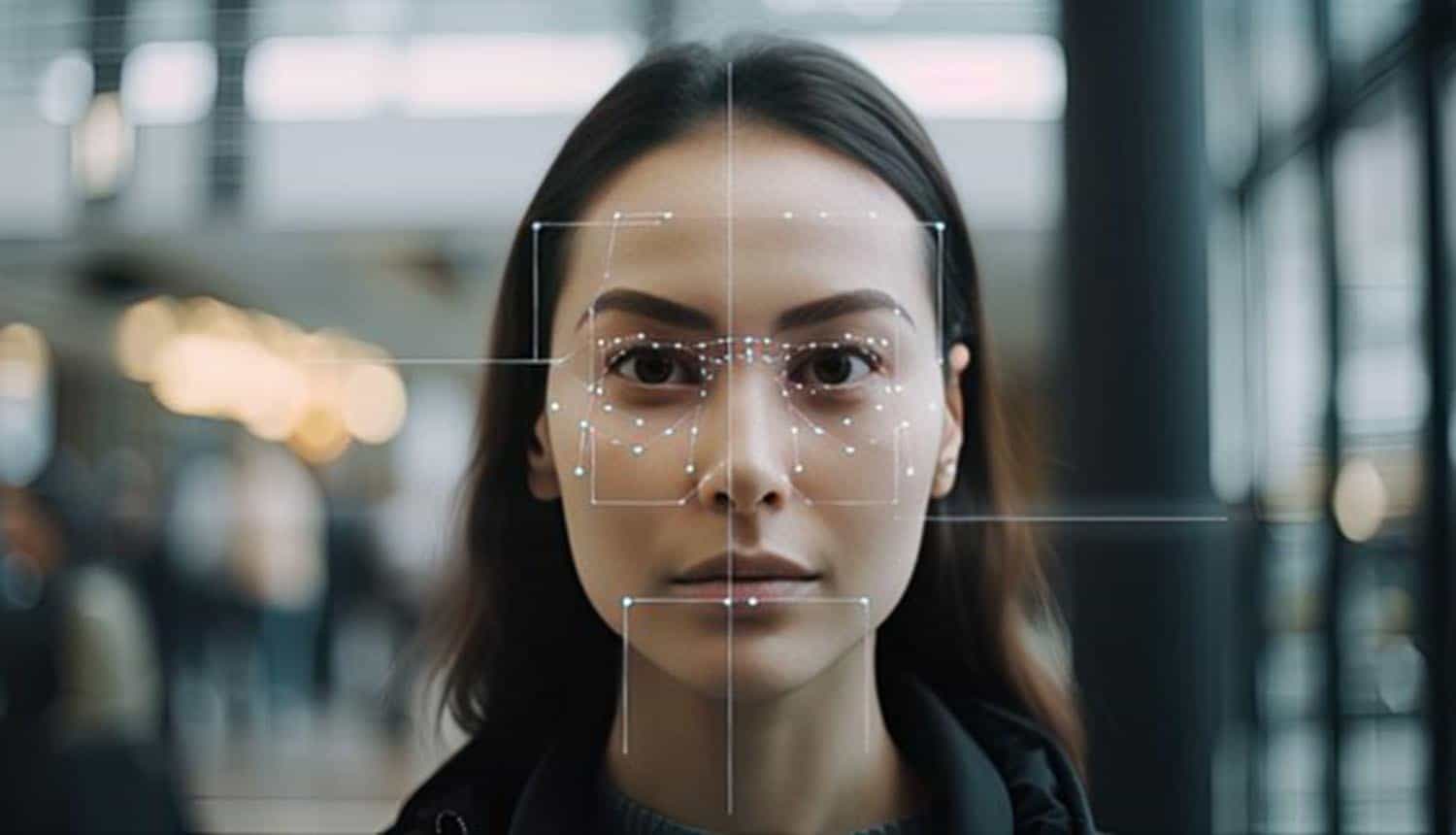
Facial recognition technology uses advanced neural networks to map and measure facial features. Key landmarks like the distance between the eyes or the shape of the chin are analyzed and converted into a mathematical representation. This facial map contains over 100 unique identifiers that create a distinctive signature. The AI compares this map to the photo on the ID presented and calculates a similarity score. Minor changes like aging or glasses can be accounted for. The analysis happens in seconds to verify the match between the live face and the ID document.
Liveness Detection
Liveness detection is critical for flagging spoofing attempts. A static photo or video can fool basic facial recognition. But liveness detection looks for subtle signs of life that are difficult to fake. The AI analyzes tiny eye movements, blinks, facial micro-expressions, and 3D depth data. It can spot the difference between a flat image and an actual face. Things like lighting, angle of the head tilt, and pixel patterns provide other clues about liveness. The AI compiles multiple signals to determine with high accuracy if the video captures a live authentic user.
Micro-Expression Analysis
Micro-expression analysis is an advanced technique that spots fleeting changes in facial expression that may indicate deceit. Face muscles reveal emotions we try to conceal last just a fraction of a second. An AI system can slow down and break down these brief micro-expressions at the frame level. Unconscious clues like lip tightening or blinking hints at disingenuous emotions and raises fraud suspicion. By flagging micro-expressions humans would miss, the AI improves detection of potentially high-risk users.
Voice Analysis
Voice analysis provides another layer of authentication. The AI extracts a voiceprint from the video audio and compares against the user’s enrollment voice sample. Sophisticated voice biometrics confirm the voice in the video matches prior records and is not a fake recording. Any mismatch between voice and face data elevates the risk score. Voice analysis rounds out a robust set of signals for the AI to synthesize.
The AI combines insights from facial recognition, liveness detection, micro-expressions, and voice biometrics to make an accurate verification decision in seconds. Risk scoring assigns a probability that the identity is authentic. If the score is high enough, the user is instantly approved. Borderline scores prompt additional screening for verification. Low scores trigger outright rejection for likely fraudsters attempting impersonation or spoofing.
Benefits of AI Video Verification
AI video verification blows old methods out of the water when it comes to speed, accuracy, and security:
- Lightning fast approvals in seconds rather than days. Legit users can get to work right away.
- Superior fraud detection with advanced tech identifying fakes human reviewers would miss. The AI is tireless and consistent.
- Continuous authentication options replace one-time validation to detect fraud over time. The AI keeps learning and adapting to new threats.
- Slash costs associated with manual reviews and fraud losses. The automation power of AI does the work efficiently at scale.
Financial institutions have been quick to adopt AI video verification for customer onboarding. Approving new accounts in real-time reduces dropout rates. And stopping fraud upfront protects profits.
Once customers are onboarded, AI empowers continuous authentication to prevent fraudulent transactions. The AI can compare your face, voice, expressions in real-time to spot hacking attempts as they happen. No more waiting for the damage to be done!
AI video analysis brings identity verification into the 21st century. Companies that lag behind with outdated methods will be exposed to unacceptable levels of fraud.
Final Word
Manual identity verification just can’t keep up with the pace of digital fraud and automation. AI video analysis provides the speed, security, and convenience needed for the digital era. Companies that embrace it will be in a strong position to thwart fraud while offering users a smooth, secure experience. Those that drag their heels could be unpleasantly surprised at how quickly the threats evolve.
AI promises to take a huge bite out of identity fraud thanks to video selfies. Smile for the AI camera – it’s your passport to a more trusted digital world!
