
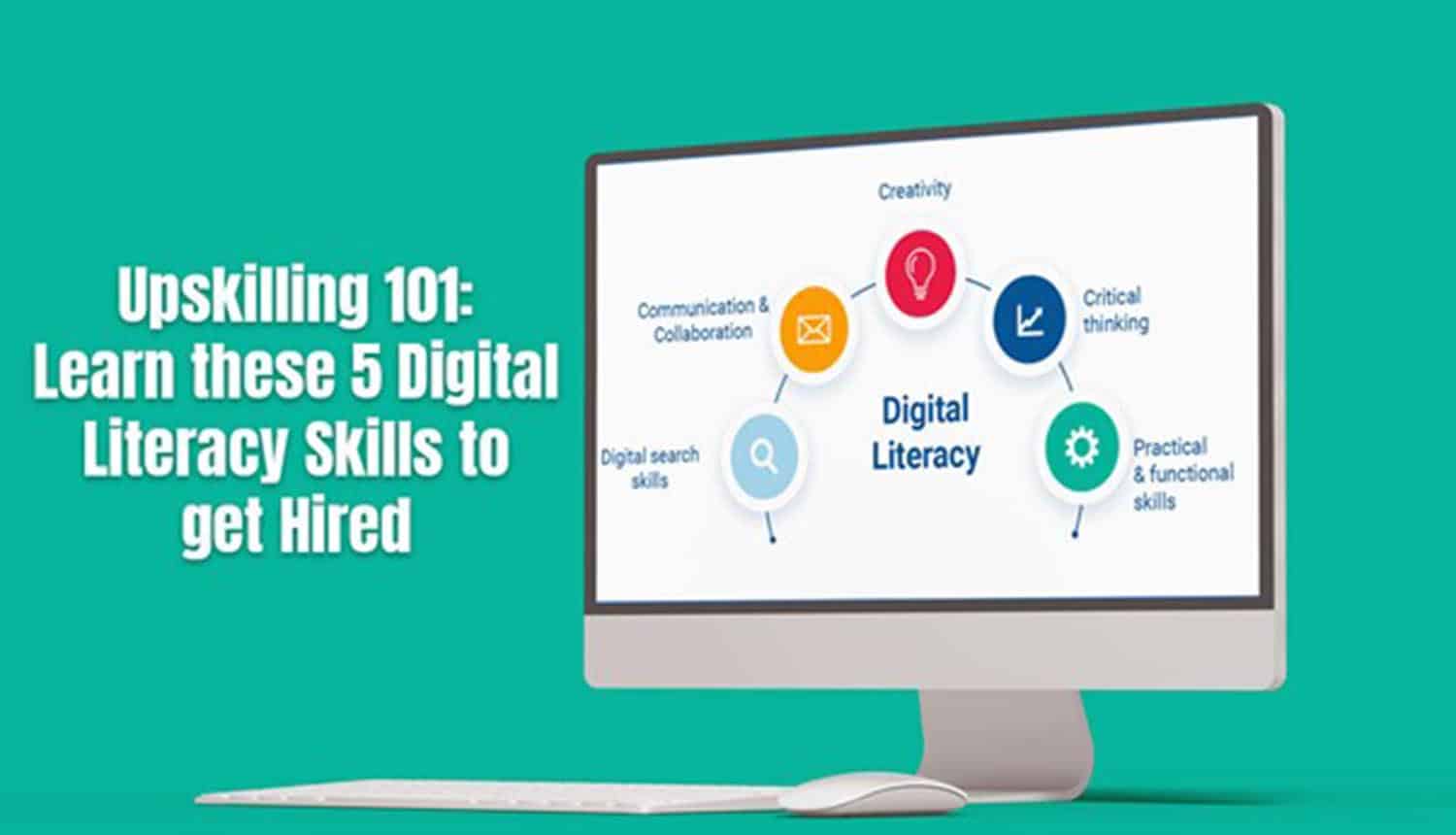

Preparing to get hired in today’s fast-paced digital world? Strong digital literacy skills are no longer an option but a necessity. Recruiting managers and employers across industries look for candidates who can easily and seamlessly navigate the digital landscape. The demand for these skills is increasing as businesses rely more on technology for day-to-day operations. Whether entering the workforce for the first time, looking to advance in your current role, or considering a career change, honing digital literacy skills can make you stand out in a competitive job market.
This guide explores five essential digital literacy skills that can enhance your employability and help you succeed in a digital-first world.
● Basic computer knowledge and proficiency
At the heart of digital literacy lies basic computer proficiency. This refers to the ability to use standard computer applications and software, including word processors, spreadsheets, and presentation software. Employers often expect candidates to have a strong grasp of programs like Microsoft Word, Excel, and PowerPoint. Knowing the Mac equivalent of these programs would also help, as many companies use Mac computers nowadays.
Critical daily skills include understanding how to create, edit, and organize files, manage system updates, and troubleshoot basic computer issues. As remote work and hybrid working environments become the norm, employers value workers who can efficiently use software programs and troubleshoot technical issues without constant assistance.
● Data handling and organization
Every modern business relies on data, from customer information to sales records. Knowing how to manage, store, and organize data is an essential skill that will give you an edge in the workplace.
Data handling extends from basic tasks like creating folders and labeling files to more advanced activities like managing databases or analyzing data in Excel.
Understanding how to extract, manipulate, and interpret data is a critical competency for those looking to work in sectors like marketing, sales, or business development. However, managing files and keeping information well-organized is key even in roles that don’t explicitly involve data analysis.
One essential aspect of file management is working with PDFs, a universal format used across industries for contracts, presentations, and reports. Knowing how to resize a PDF and compress and organize it is a surprisingly valuable skill in many jobs.
● Managing digital communication tools
In a world where remote work is increasingly common, communication tools are at the core of modern workplace interactions. Whether it’s through email, instant messaging, or video conferencing, knowing how to use digital communication platforms is crucial. Platforms like Slack, Zoom, Microsoft Teams, and Google Workspace have become indispensable for daily operations in most organizations.
Understanding the nuances of different communication tools, including when and how to use them appropriately, can improve collaboration with team members and clients. For example, while emails might be the right choice for formal communication, tools like Slack can be used for quicker, more casual conversations.
Effective communication also involves managing your inbox, keeping track of important messages, and organizing conversations. Utilizing features like filters, folders, and search tools in your email system can save you time and keep you on top of your work.
● Understanding the basics of cybersecurity
With so much business conducted online, understanding the basics of cybersecurity is a critical skill in today’s workforce. Whether working with sensitive company data, managing financial transactions, or handling personal client information, knowing how to protect yourself and your company from cyber threats is vital.
Cybersecurity knowledge extends beyond the IT department. Today, every employee should know the fundamentals of online security, such as creating strong passwords, recognizing phishing emails, and avoiding unsecured websites. Employers increasingly seek candidates who know digital risks and can follow best practices to protect their organization’s digital assets.
Understanding network security, data encryption, and cybersecurity frameworks can be a huge plus for those in more technical roles. However, even in non-technical positions, being proactive about online safety can make you a valuable asset to any organization.
You can take online cybersecurity courses or follow industry blogs and news to stay updated on the latest threats and protection methods.
● Collaborating & handling cloud-based tools
Cloud-based tools have become the backbone of collaborative work in today’s remote and hybrid work environments. Cloud platforms such as Google Drive, Microsoft OneDrive, and Dropbox allow teams to collaborate on documents,share files, and access data from anywhere.
Proficiency in using cloud-based tools for file storage, sharing, and real-time collaboration is now expected in most job roles. Employers seek candidates who can efficiently work with these platforms as they streamline workflows, reduce redundancies, and enhance collaboration across teams.
Conclusion
Mastering digital literacy skills is key to thriving in today’s job market. As businesses continue to digitize their processes, having the ability to efficiently use computers, communicate through digital platforms, handle data, protect against cybersecurity threats, and collaborate via cloud-based tools will set you apart from the competition.
