
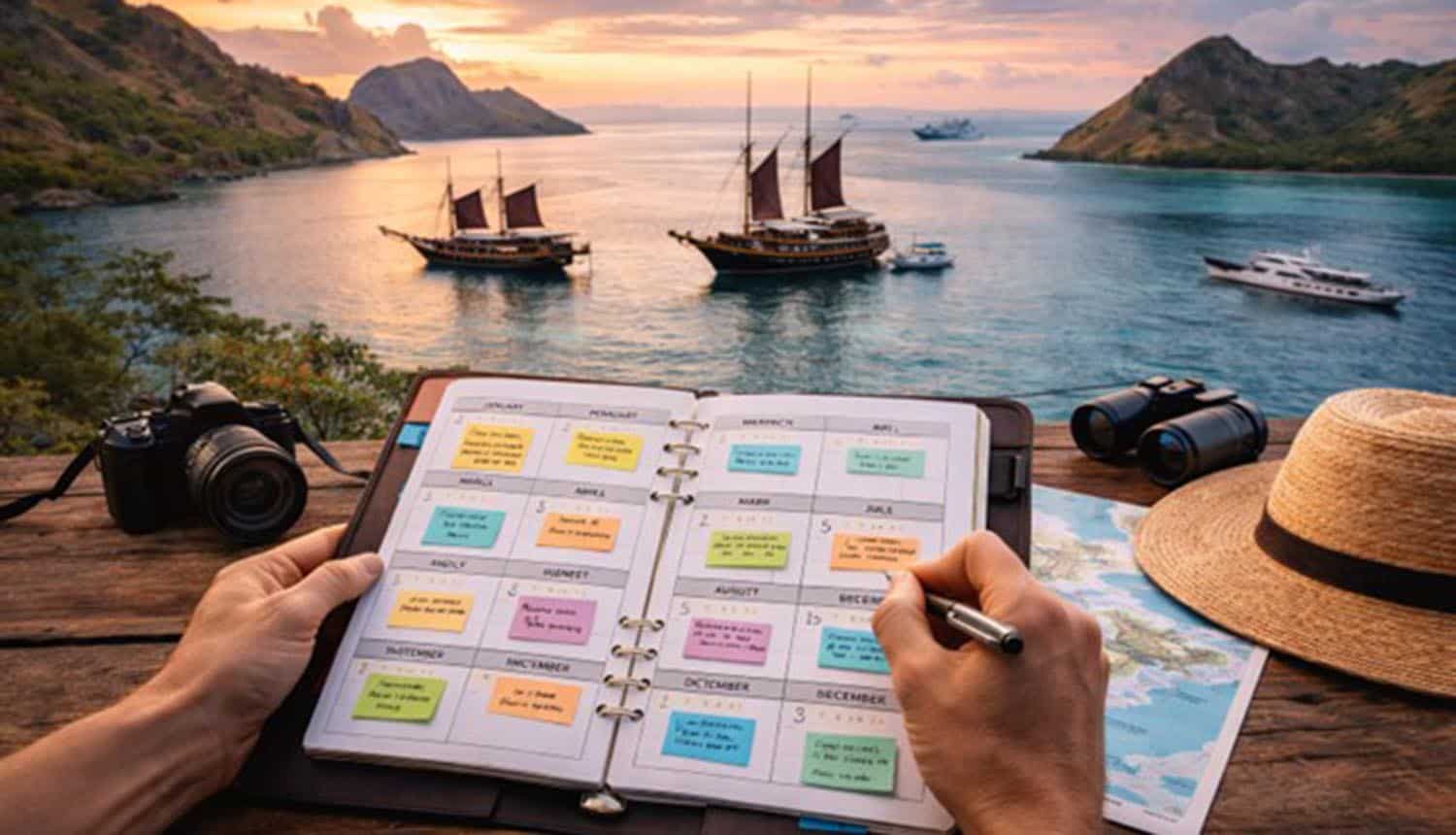

When people ask me how to plan a trip on a liveaboard Indonesia route, I tell them to start with one question: “What will the ocean feel like when you arrive?” That’s why understanding Indonesia liveaboard seasons by month is so useful; it turns a dream itinerary into a realistic schedule, helping operators, travel planners, and hotel partners match guest expectations with sea conditions, visibility, and wildlife patterns. In a country as spread out and diverse as Indonesia, “best time to go” isn’t one answer. It’s a map of micro-seasons across regions.
From a liveaboard manager’s perspective, seasonality is not just weather. It’s operational planning: safe crossings, reliable anchorages, guest comfort, dive site selection, and contingency routes when wind and swell don’t cooperate. For B2B readers, liveaboard owners, resort managers, and travel stakeholders, seasonality is also a commercial lever: when you align staffing, provisioning, maintenance windows, and guest communications with real conditions, you reduce cancellations and complaints while improving reviews and repeat business.
Below is a month-by-month framework you can use to plan, communicate, and deliver more predictable trips without turning the conversation into technical meteorology.
Before the months: the one rule that prevents disappointment
Indonesia is not one “dive season.” It’s an archipelago with multiple climate influences. The same month can be calm in one region and challenging in another. So instead of selling a universal best season, smart operators guide guests to the right region-month match.
This is also why “best liveaboard Indonesia” is a misleading phrase unless you define best for what—mantas, macro life, pelagics, calm seas, beginner-friendly conditions, or premium visibility. The best trip is the one that fits the guest’s goals and tolerance for movement, rain, and variable conditions.
January: strong “tropical” mood, selective routing
January often brings wetter conditions in parts of Indonesia, which can lead to heavier rain bursts and unpredictable wind patterns, depending on the area. For guests, that can sound negative until you frame it correctly: tropical rain doesn’t usually ruin diving; it changes the surface experience. Visibility can still be excellent in the right places, and underwater conditions may remain stable even when skies are dramatic.
Operational focus: conservative itineraries, flexible site selection, and clear expectations about weather variability.
Guest messaging: “Plan for warm water and changing skies; the underwater world doesn’t always match the clouds.”
February: quieter energy, good for guests who prefer fewer crowds
February is often a calmer month in terms of traveler volume, which is helpful for operators who want smoother logistics and less competition at popular sites. Rain can still be part of the picture in some regions, but the payoff is often a more relaxed guest experience.
Business advantage: lower congestion can improve perceived service quality by making everything feel more personal, including check-ins, transfers, dive briefings, and dining.
Tip for partners: Hotels can position February as a “soft season” for travelers who value space and quiet.
March: transition month, planning sweet spot
March can feel like a bridge; conditions begin to shift,t and routes can open up more confidently depending on the destination. For many operators, it’s a month to start thinking about more ambitious itineraries while still maintaining flexibility.
Operational focus: prepare boats and teams for the busy stretch ahead; tighten SOPs and maintenance checks.
Guest messaging: “A great month for travelers who want a balanced mix of good conditions and lighter crowds.”
April: reliability increases, confidence grows
April is often when many regions start delivering more consistent conditions. This is the month when planning becomes easier because sea state and wind patterns are more predictable on common routes.
For liveaboard diving in Indonesia, April is frequently a guest favorite because the trip “feels smooth”: stable schedules, comfortable crossings, and good underwater time without constant adjustments.
Business note: April is ideal for training new crew, refining service standards, and building momentum into peak season.
May: one of the most operator-friendly months
May is widely loved by crews and guests alike because it often combines good sea conditions with strong diving. It’s also a month when nature can be generous, with clearer water, active reefs, and a comfortable rhythm onboard.
B2B takeaway: if you’re building partnerships between liveaboards and hotels, May is an excellent time to offer “pre- and post-trip stays” because flight buffers and transfer reliability tend to improve as conditions stabilize.
June: peak patterns start to show
June often marks the start of a more consistently “dry season” feel in many areas, bringing steadier breezes and clearer planning assumptions. It can also mean cooler evenings in some regions and stronger currents in certain channels, something divers often enjoy when they’re prepared.
Operator focus: Be explicit about skill recommendations and current-managed diving practices without intimidating guests.
Guest messaging: “Great conditions bring a light layer for evenings and come ready for dynamic dives.”
July: high season energy, high expectations
July brings busier boats, busier ports, and higher guest expectations. Conditions can be excellent, but the experience depends heavily on operational discipline, timing, crowd management, and service consistency.
For owners: this is where systems matter. Clear briefings, punctual tenders, efficient gear handling, and well-managed meal service make the difference between “great trip” and “chaotic trip.”
For hotels: expect early departures, late arrivals, and guests who want fast laundry and recovery.
August: strong demand, strong condition,s manage comfort
August is often a pleasant travel month. It can deliver fantastic diving, but it’s also when you see more mixed guest readiness: some are experienced divers chasing conditions, others are holiday travelers joining because it’s their vacation window.
Operational best practice: segment groups clearly (divers vs snorkelers, advanced vs recreational comfort) and avoid letting the strongest guests set the pace for everyone.
Business note: if you want fewer complaints, build rest into the schedule. “More dives” isn’t always better if guests are exhausted.
September: a professional’s favorite month
September is frequently a “best kept secret” month in terms of experience quality: strong conditions often continue, while crowd pressure may ease slightly. Service delivery becomes smoother when the system isn’t under maximum strain.
This is the kind of month that earns repeat guests and the kind of month that makes “best liveaboard indonesia” feel meaningful because the total experience (sea + service + spacing) often aligns beautifully.
October: transition returns, smart routing wins
October can bring another shift, and the best operators shine here because they know how to route intelligently, adjust plans quickly, and keep guests confident. This is where communication becomes the product: explain the plan, explain the alternatives, and guests feel taken care of.
B2B insight: flexible policies and strong pre-trip briefings reduce last-minute friction during seasonal transitions.
November: selective excellence, quieter ports
November can be a great month for travelers who want less bustle if they choose routes and expectations well. You may see more weather variability again, depending on the region, but that doesn’t automatically mean poor diving. It means you need a strong operator mindset: an adaptable schedule, conservative decision-making, and clear guest guidance.
Hotel partnership tip: promote November as a “calmer travel window” and support guests with flexible check-in/out for schedule changes.
December: festive travel, mixed conditions, strong storytelling
December is often busy for holidays, but conditions can vary by area. Some guests love it because the trip feels like an adventure, with dramatic skies, warm seas, and a holiday atmosphere onboard. Others need reassurance that variability is normal and manageable.
Operator focus: set expectations early, offer practical packing guidance, and plan for comfort into the itinerary (shade, hydration, rest, seasickness prevention).
Turning seasonality into a better business, not just a calendar
If you run a boat, a hotel, or a travel operation, seasonality is your chance to deliver predictability. Here’s how to use it:
- Pre-trip education: reduce the mismatch between guest expectations and reality.
- Route intelligence: plan for the month, not for a marketing promise.
- Service design: peak months require faster, clearer systems, not just more staff.
- Buffer nights: encourage guests to stay a night before and after their departure to buffer against flight delays and fatigue.
- Segment experiences: not everyone needs the same pace, especially on mixed diver/snorkeler trips.
The takeaway: “best” comes from matching goals to the month
Indonesia rewards planning. When guests understand how conditions shift across the year, they make better choices,s and operators deliver better outcomes. Whether you’re selling experiences, managing partnerships, or writing travel guidance, the most helpful message is objective and empowering:
The best liveaboard experience in Indonesia isn’t a single boat or a single month. It’s the right region, the right season, and the right expectations supported by operators who plan responsibly and communicate clearly. And when that alignment happens, liveaboard diving Indonesia becomes what it should be: inspiring, safe, and unforgettable for all the right reasons.
