
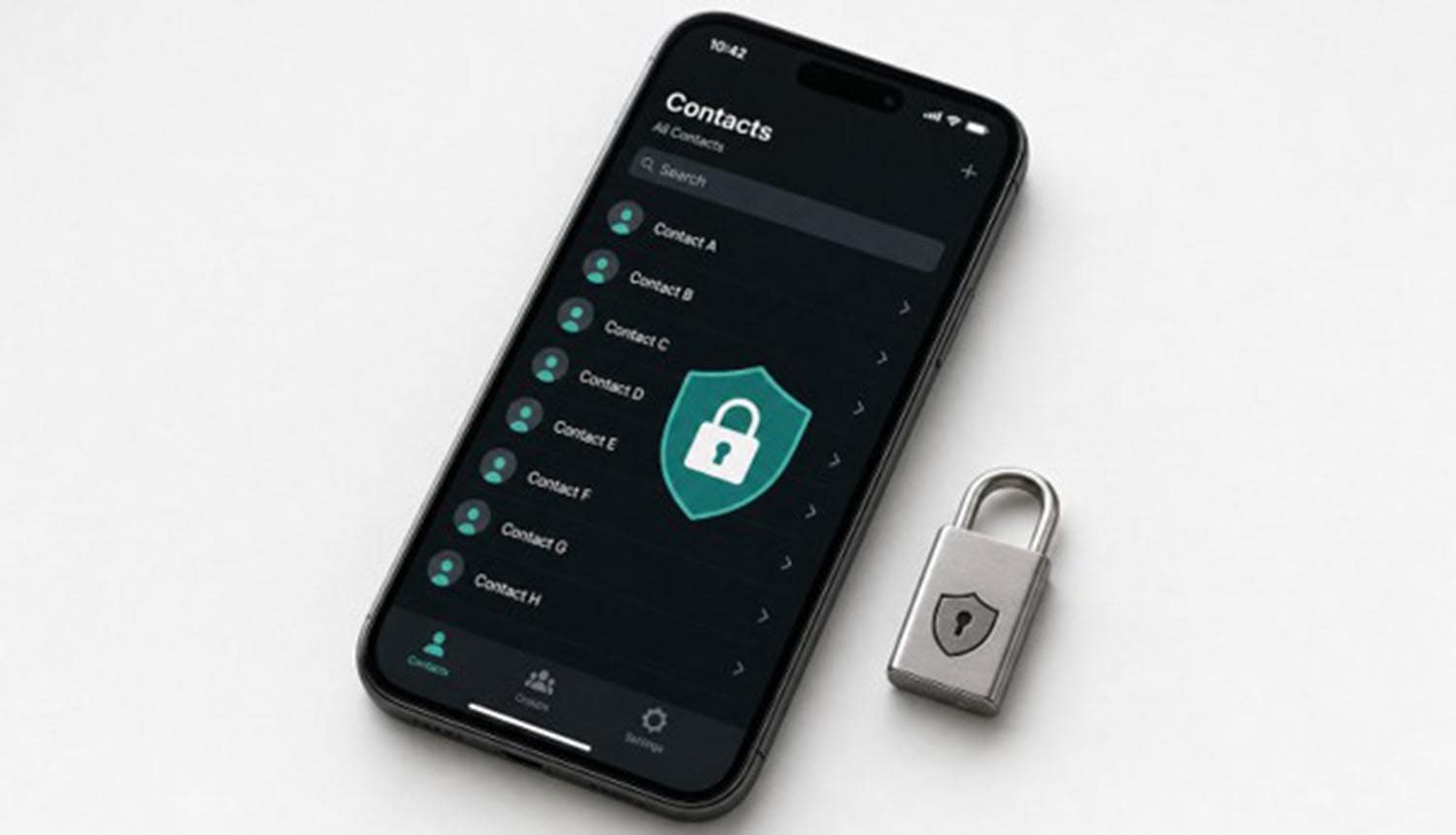

Enterprise contact data has become a target as remote work relies on mobile devices for access to sensitive information. As teams collaborate from diverse locations and devices, security challenges can threaten the confidentiality and integrity of contact records. Understanding these risks supports data privacy, business continuity, and regulatory compliance.
The rise of remote and hybrid work environments has redirected focus toward the security of enterprise contacts on mobile platforms. Employees now routinely access, sync, and share contact records from smartphones and tablets, which increases the attack surface and exposure risk. This shift requires organizations to carefully consider how contact data is stored, shared, and secured across all devices. When you save event prospect on your phone, such information is both essential for business and potentially vulnerable, making robust mobile security measures necessary as contact data management evolves.
Business contact data as a high-value target today
Modern enterprise contact data encompasses more than basic address book entries. These records can represent valuable business intelligence, mapping both internal and external communications that could be exploited for phishing, impersonation, or account takeover schemes. If attackers access these details, they may use social engineering tactics to breach organizational defenses.
The increase in remote work, business travel, and cross-device syncing has heightened these risks. Employees frequently use several devices and may synchronize contacts across personal and corporate accounts, creating additional points of vulnerability. The distribution of contact data across diverse environments complicates oversight and the enforcement of data boundaries.
Unique risk scenarios when contacts are stored on phones
Mobile devices introduce distinct challenges for securing enterprise contacts. Lost or stolen devices present an immediate risk, especially if screen locks, biometric authentication, or remote wipe capabilities are not consistently enforced. Weak passcodes or device sharing can also result in unauthorized access to contact data.
Another risk comes from mobile apps requesting extensive permissions. Applications with excessive access can misuse address books, leading to data exposure or accidental sharing. When users rely on insecure sharing practices, such as unencrypted messaging or exporting contacts to unmanaged devices, disclosure risks grow. Additionally, cloud backups and device sync features can generate uncontrolled copies that complicate auditability and containment efforts.
Implementing strong mobile security controls as standard practice
Organizations should adopt foundational security controls to protect enterprise contacts on mobile devices. These include strong authentication methods, such as multi-factor authentication and conditional access based on device security status. Encryption for data at rest and in transit, along with secure app containers or managed profiles, can further reduce exposure. Mobile device management policies should align with privacy regulations and employee expectations.
Human behavior is a persistent challenge, as interactions with unfamiliar networks or untrusted mobile apps can increase the risk of contact data exposure. Save event prospect on your phone using a secure company profile, and regularly review permission settings. These precautions help minimize the likelihood of data leaks.
Establishing data governance and fostering responsible sharing
Governance is essential for maintaining control over contact data. Data minimization and purpose limitation reduce the information that could be compromised, while retention rules and lifecycle management ensure contacts are only kept as long as necessary. Confidential business contacts should not be retained indefinitely or exported without proper authorization, supporting compliance and mitigating risk.
Access controls and audit logs enable organizations to monitor who views, exports, or shares contact data. This visibility aids in compliance with data privacy requirements and helps identify anomalies. Approved channels for collaboration and contact sharing, especially for event-related exchanges, should be clearly sanctioned and regularly evaluated. Bulk exporting or sharing to personal accounts must be restricted to ensure data remains within managed environments.
By combining technical safeguards, clear policies, and user awareness, organizations can secure enterprise contact data as mobile access becomes ubiquitous. These integrated strategies are crucial for protecting information and meeting ongoing security obligations.
