Nicole Lindsey is a journalist and writer for more than 10 years, focusing on the intersection of technology, innovation and privacy. She has a background in information technology and has worked with various software companies and tech startups on their public relations and communications initiatives.
Technological advances in healthcare and medicine combined with AI is to create a brave new world that some have called the “Internet of Bodies.” What are the legal, privacy, security and ethical issues?
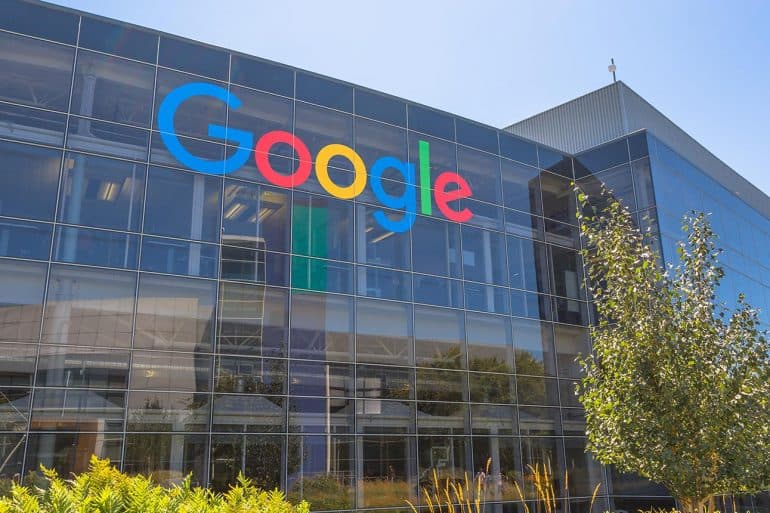
Consumer groups in 7 countries are asking European privacy regulators to take action against Google for GDPR violations, specifically, its “deceptive practices” related to location tracking.
Some ad tech vendors appear to be engaging in a form GDPR consent string fraud by knowingly tampering with the consent information found in a publisher’s consent string, in order to give them the ability to deliver personalized ads.
According to Giovanni Buttarelli, the Privacy Paradox has already shaped the way we think about privacy in the digital age and could help to determine the next evolution of privacy regulation.
New report from Datto shows that ransomware attacks continue to be the leading form of cyber attack experienced by small- and medium-sized businesses, with 4 of 5 MSPs having clients hit over the last 2 years.
The pace of cross-industry fraud is accelerating and becoming more costly and this is exacerbating the identity theft problem. New fraud study from LexisNexis reports that 84% of organizations had been the victim of cross-industry fraud.
The prospects for a federal privacy bill actually being signed into law in the United States in 2019 just took another big step forward with a proposal from Intel.
A new report offers a never-before-seen look at Google data collection practices, raising new questions about the extent to which the top tech companies in the world collect and collate user data without their permission or knowledge.
Since June 1, eight U.S. states have either amended or enacted tougher new data breach notification laws requiring notification anywhere between 30 to 60 days. While still a far cry from the 72 hours required under the European GDPR, tougher notification laws will no doubt be adopted around the world.
The days of federal privacy laws coming to Silicon Valley may happen sooner than you think. In a much-publicized keynote speech given at the 40th ICDPPC in Brussels, Apple CEO Tim Cook gave his full-throated support for laws that would be at least as stringent as the EU GDPR.