Popular password manager LastPass has confirmed that a previously reported November security incident was a data breach that resulted in the theft of customer data, including encrypted password vaults.
Cyber Security
Cyber criminals, state-sponsored hackers and even the occasional disgruntled employee are constantly looking to gain unauthorized access for a variety of purposes: theft of money, cyber espionage, personal information for sale or for use in scams, and damage to critical infrastructure for just a few of the most common.
So how does an organization mitigate an entire world full of continual cyber attacks? Just as buildings have a number of necessary elements of physical security: access control, cameras, alarms and so on; there are similar key elements of cyber security that are absolutely vital for just about any modern business.
It starts with identifying and closing the most common doors that attackers use. For example, phishing attacks on employees are far and away the most common initial point of entry. The breach of even a low-level employee account can quickly turn into an escalation in access privileges and the ability to reach sensitive information. This is also true of smart devices, which are generally more poorly secured than computers and phones.
There's a need to go beyond simply enhancing cookie consent. Businesses must be able to observe, monitor, and control the browser-related aspects of website engagement that they do not control now. The new endpoint is that.
Identity-first security which focuses on the integrity of the user identity as the core of an organization's security strategy is now a prerequisite for Zero Trust architecture, and is designed to ensure that the individual is authorized throughout the user's digital journey and granted the right level of access to the appropriate digital assets.
Attacks against healthcare institutions have become more prevalent. Driving this are several factors, including the dramatic drop in the value of stolen credit card data and the relative ease with which attackers can breach healthcare institutions.
For better or worse, passwords aren’t going away anytime soon. As long as passwords are active, criminal hackers will use them to access organizations. Organizations need solid password policies to safeguard Active Directory against breached passwords to prevent hacker access.
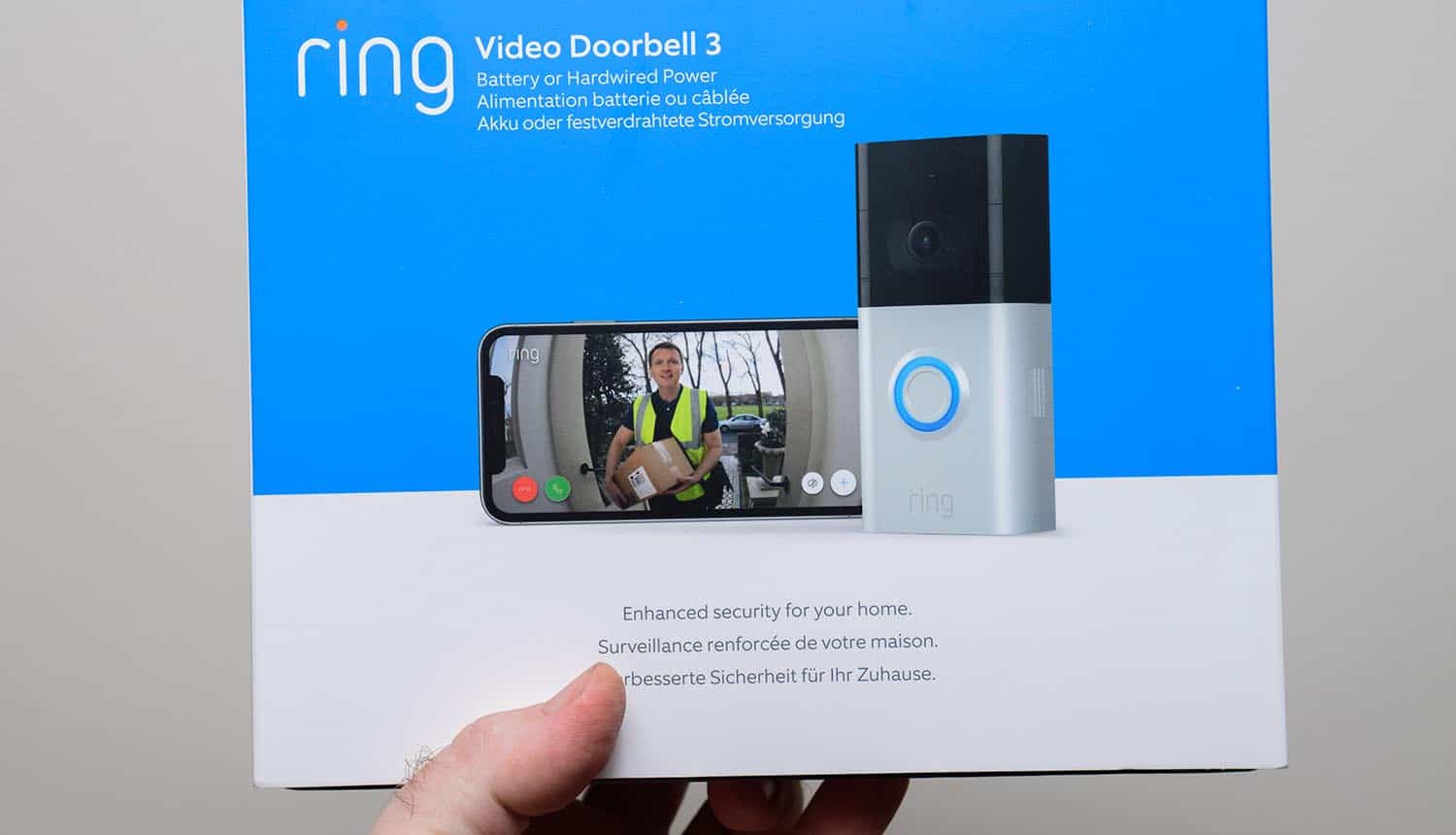
Suspects face prison sentences after hacking email accounts to access Ring cameras, initiate and live-stream swatting attacks, and threaten and taunt responding police officers.
Factors like the COVID-19 pandemic has eased people into the idea of quicker, passwordless authentication options. From protecting finger scan data to real-time facial recognition best practices, let’s explore how the biometrics industry is enhancing its security measures.
The FBI warned that hackers are using search engine ads for phishing and spreading malware to unsuspecting users by impersonating legitimate businesses and services.
Cyber insurance providers wants to be sure that the company is proactively managing their cybersecurity risk and one of the requirements is to implement multi-factor authentication (MFA) for all applications and APIs. what is the fastest and most cost-effective path to connecting all your self-hosted apps to your identity platform and enabling MFA?
A widespread 2FA bypass attack compromised Comcast Xfinity customer email accounts and attempted to take over their Coinbase and Gemini Wallets, Evernote and Dropbox accounts.