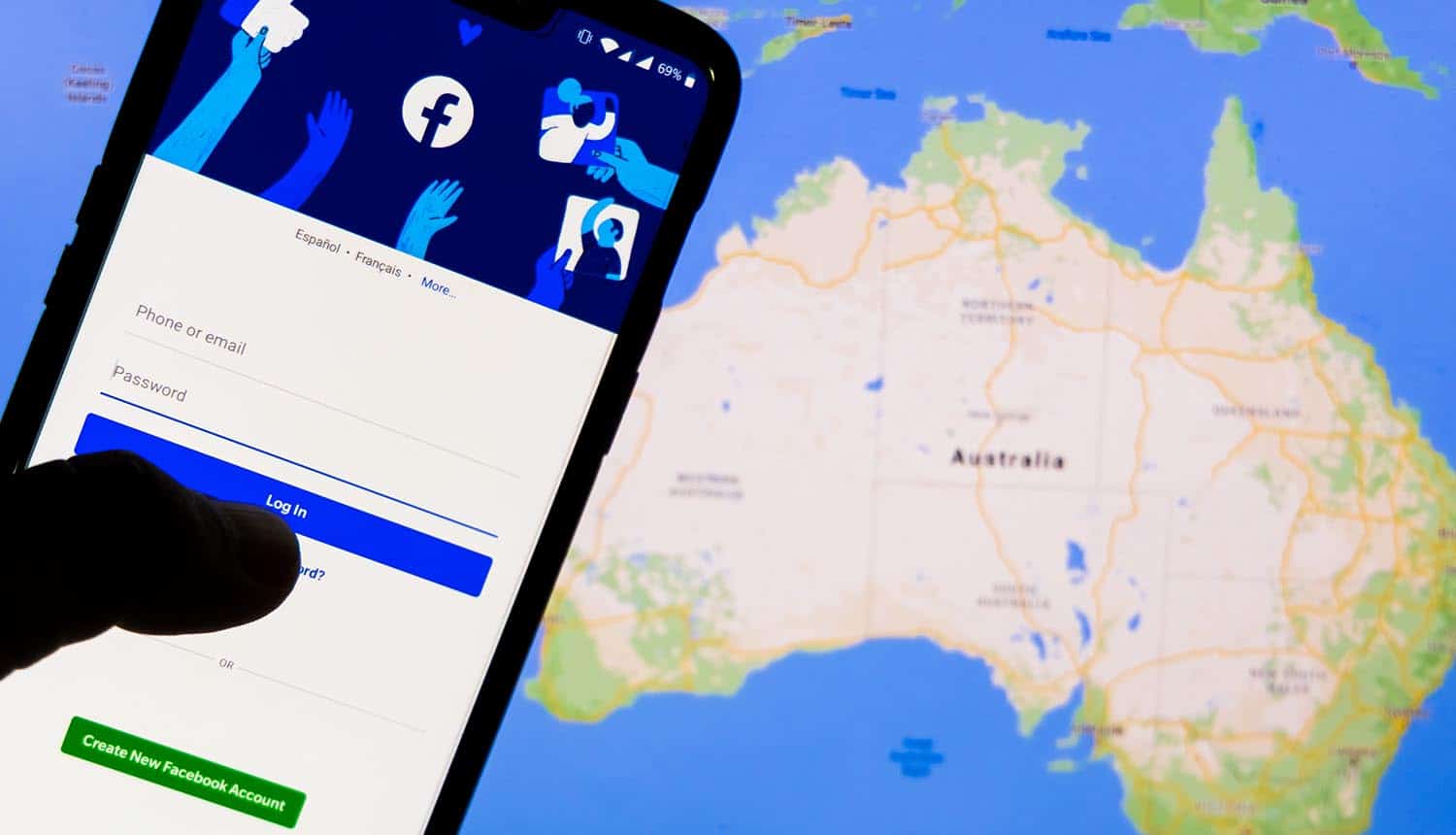
In recent months, the global privacy landscape has begun to shift. Several countries have started to draft and implement sweeping national privacy regulations, including China and the United Arab Emirates (UAE). What do advertisers need to know?
Data Protection
Certain types of personal data are very valuable to criminals, and can be very damaging to an individual or business if it falls into the wrong hands. As the world becomes more digital and more connected, more of this sort of data is generated and passed between various sources on a regular basis.
Government regulations and supervisory authorities aren’t just about keeping irresponsible parties in line. They also provide vital security guidance to every type of organization that handles sensitive personal, business or government information.
Data protection regulations also ensure that the end user has a transparent view of and a say in the processing of personal data. These safeguards play a significant role in everything from the preservation of civil rights to ensuring that democratic institutions function properly.
Some types of personal data are clear candidates for regulation: medical records, banking information, national ID numbers and so on. But some of these regulations also cover items that might seem relatively innocuous at first glance: home addresses, email addresses, website profile information and so on. For example, the European Union General Data Protection Regulation (GDPR) has stipulations about anything that is unique to an individual to include phone numbers and social media accounts. People have varying levels of privacy preference with these items, but they are often protected by regulation because they can be used for targeted scams and attempts at identity theft.
Given that regulations often take the size and customer count of businesses into consideration in terms of penalties and the scope of protection of personal data, compliance is particularly important for enterprise-scale organizations. You do not necessarily have to have an active business presence in a country or region; simply storing data on or moving it through servers there may subject you to their data protection rules.
Privacy complaint by consumer groups take issue with the language used during Google's centralized account signup process, the number of clicks to enable privacy settings, and the alleged "nudges" used to encourage users to opt in to tracking.
The case began with a probe opened by an assortment of state attorneys general in 2018 in response to consumer complaints. The investigation found that Google had been misleading about its use of location tracking dating back to at least 2014.
The settlement would impact all Incognito Mode data collected from June 1, 2016 to before the start of 2024. Google says that it would delete most of this browsing data, but in some cases would "de-identify" records instead.
Tech giants are facing hefty fines after France's CNIL ruled that their cookie consent processes were too confusing and difficult. Central to the case was the use of "dark patterns" by each site.
Australia’s Privacy Act 1988 has been under review since 2020 as lawmakers seek to modernize it. Google and Meta have weighed in with arguments for the benefits of ad-supported apps and cloud services.
The suit represents millions of Texas residents that have used Google services since 2015. The state requires that consent be collected from biometric data subjects to use their faces or voices.
Washington is the latest state in which Google has settled a location tracking lawsuit, adding to a list that has cost it a little over half a billion dollars to date. Lawsuits date back to a 2018 probe that found Google apps and services were continuing to track and log data even after users had changed privacy settings.
The privacy lawsuit dates all the way back to 2018, when Google internally discovered that the Google+ API was being abused. The privacy lawsuit has now been settled for $350 million, after a lengthy appeals process played out.
Google received €50 million in GDPR fines from French regulator CNIL for failing to adequately inform users about their data collection practices, and not giving users enough control over how their information is used. What are the lessons learnt?