
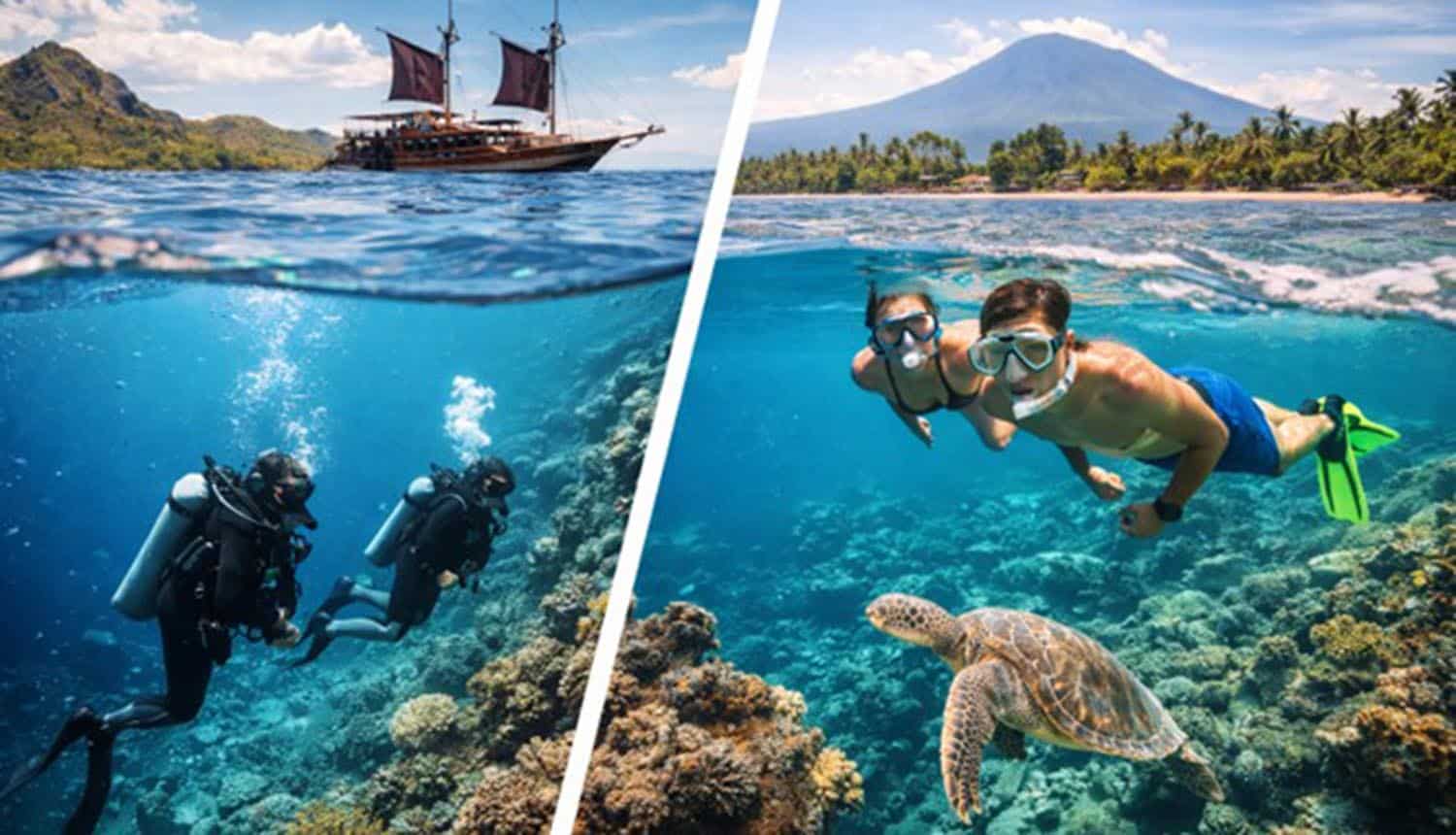

When guests ask me about Komodo liveaboard diving and snorkeling differences, they’re usually trying to solve a real planning problem: “Should I invest my time, energy, and budget into a dive-focused trip, a snorkeling-focused trip, or a mix, and where does Bali fit if I’m starting there?” The answer isn’t about which option is “better.” It’s about aligning the experience with skill level, comfort on boats, safety margins, and the kind of memories you want to bring home.
I’ve managed dive operations in Indonesia long enough to see the same patterns repeat: people arrive with big expectations, limited time, and a vague sense that “Komodo is amazing.” It is. But the best trips don’t happen by accident; they happen when travelers and operators set the right expectations and make smart logistical choices. This matters for B2B readers too: dive centers, liveaboard teams, and travel planners all benefit when guests arrive prepared and realistic.
Komodo in one sentence: high reward, real conditions
Komodo is not a theme park reef. It’s a dynamic marine environment where currents, tides, and visibility shift quickly. That’s why Komodo can deliver world-class encounters with manta rays, big schools, and healthy reefs, but it also demands planning and discipline.
From an operator’s point of view, the goal is simple: put guests in the right sites at the right time with the right supervision. From a guest’s point of view, the goal is to feel safe, comfortable, and thrilled rather than stressed and exhausted.
Liveaboards are a popular way to experience that balance because they move with the conditions instead of forcing a fixed schedule.
The core difference: what you can do with the ocean
Liveaboard diving: depth, timing, and control
Diving gives you access to more “layers” of Komodo. Depth creates options: you can drop surface chop below, position yourself for current-managed drifts, and stay longer with marine life that doesn’t hang around shallow water.
On a Komodo liveaboard, diving programs are typically built around:
- dive briefings and buddy checks
- current assessments and timing by tide
- surface intervals designed for recovery
- safety protocols for entries, exits, and navigation
A well-run diving day feels structured. That structure isn’t bureaucracy, it’s what lets you enjoy the wild parts of Komodo safely.
Liveaboard snorkeling: simplicity, but still not “casual.”
Snorkeling is more accessible and less gear-intensive, and it can be spectacular in Komodo, especially on calmer reefs, shallow coral gardens, and manta sites when conditions align. But “snorkeling” doesn’t mean risk-free. Surface currents can be strong, sun exposure is intense, and fatigue builds faster than many people expect.
The best snorkeling-focused liveaboard days prioritize:
- site selection with manageable surface conditions
- clear boundaries and group supervision
- flotation support and conservative timing
- shade, hydration, and rest planning
In short, snorkeling is technically simpler, but it still requires professional judgment to remain enjoyable.
What changes onboard: guest profile, daily rhythm, and energy management
If you run operations or sell trips, understanding the onboard rhythm is critical.
Diving liveaboards often attract guests who are:
- comfortable with early mornings and multiple activities
- motivated by “max water time.”
- okay with repetitive routines (brief, dive, eat, rest, repeat)
Snorkeling-first trips tend to suit guests who want:
- a lighter schedule and less equipment
- flexibility to skip sessions without guilt
- more time for island stops, viewpoints, and relaxed cruising
The important operational truth: when the guest profile doesn’t match the program, the trip feels “wrong” even if the itinerary is good. A diver forced into a snorkeling-only flow may feel underwhelmed. A casual snorkeler placed into a high-tempo dive routine may feel overwhelmed.
Safety margins: where the two experiences diverge most
In Komodo, safety is shaped by the same variables, whether you dive or snorkel, currents, timing, supervision, and guest readiness. The difference is how you manage your margin.
For divers, the safety margin comes from:
- training and experience appropriate to conditions
- conservative dive planning and clear briefings
- reliable surface support and pickup procedures
- disciplined ascents and surface signaling
For snorkelers, safety margin comes from:
- choosing sites that match surface competence
- using flotation when needed (no shame in that)
- group cohesion and clear “turn-around” rules
- active monitoring for fatigue, sun, and dehydration
The most common planning mistake I see is people assuming snorkeling is automatically “easy.” In reality, strong swimmers sometimes struggle more than they expect because the ocean is moving and they’re fighting it at the surface.
How Bali fits: the practical “training and transition” base
Many travelers start in Bali, and for good reason: it’s a major entry point with abundant marine activities. From a preparation standpoint, Bali scuba diving can be a smart stepping stone to Komodo, especially for travelers who want to build comfort and skill before tackling more dynamic conditions.
Here’s how to think about scuba diving in Bali as part of the journey:
- Skill-building: refresh buoyancy, practice calm mask clears, and get comfortable with controlled descents and ascents.
- Equipment familiarity: find what fits, adjust weighting, and reduce stress before you’re on a liveaboard schedule.
- Confidence check: Bali lets you discover whether you enjoy multi-session days, boat routines, and gear management.
From an industry standpoint, this is also a smart guest experience design: divers who “warm up” in Bali often arrive in Komodo more relaxed and more capable, which improves safety and satisfaction for everyone involved.
Choosing between Komodo and Bali is the wrong question
A common traveler dilemma is framed as “Should I do Bali or Komodo?” That’s like asking whether you should eat the appetizer or the main course. They’re different experiences that can complement each other.
- Bali can be a training ground, a convenient destination, and a balanced holiday mix.
- Komodo is often the “signature adventure” more remote, more intense, and unforgettable when planned well.
For a Komodo Island liveaboard, arriving prepared matters. And Bali can be part of that preparation, both in skills and mindset.
Business lessons for dive centers and liveaboard operators
For B2B readers, dive center owners, operators, and travel planners, these trips are won or lost in expectation management. Three operational principles consistently reduce issues onboard:
1) Sell the rhythm, not the highlight reel
Guests handle early mornings and multiple water sessions better when they’ve been told exactly what the day feels like. Clear schedules reduce anxiety and complaints.
2) Segment guests by readiness, not just enthusiasm
Enthusiasm is not a qualification. Ask simple, practical questions:
- When was your last dive?
- How comfortable are you with moving water?
- Are you prone to seasickness?
- Do you prefer a full schedule or flexible downtime?
These questions help match the program to the person, which protects safety and satisfaction.
3) Make recovery part of the product
Komodo is physically demanding. Shade, hydration routines, smart meal timing, and realistic session counts aren’t “extras”; they’re performance enablers. Guests who recover well enjoy more of the trip and create fewer operational problems.
A sample decision guide that travelers actually understand
If you’re advising guests (or planning content), this framework helps:
- Choose a diving-focused liveaboard if you want structured days, depth-based encounters, and you’re comfortable following protocols.
- Choose the snorkeling-first liveaboard if you want easier access to the water, more flexibility, and you’re happiest with a lighter pace.
- Use Bali scuba diving as a confidence builder if you’re returning to diving after a long break or want to sharpen skills before Komodo.
The takeaway: the best trips feel effortless because the planning wasn’t
The magic of Komodo is real, but it’s not random. The difference between a “good” and an “unforgettable” trip usually comes down to preparation: choosing the right format, respecting conditions, and aligning expectations with reality.
A Komodo liveaboard can be the centerpiece of an Indonesia itinerary, and a Komodo Island liveaboard becomes far more enjoyable when travelers arrive ready physically, mentally, and logistically. Meanwhile, Bali remains a practical gateway where divers can build confidence and competence through scuba diving before stepping onto Komodo’s bigger stage.
That’s the win for guests and for the industry: fewer surprises, better safety, smoother operations, and experiences that match the promise.
