
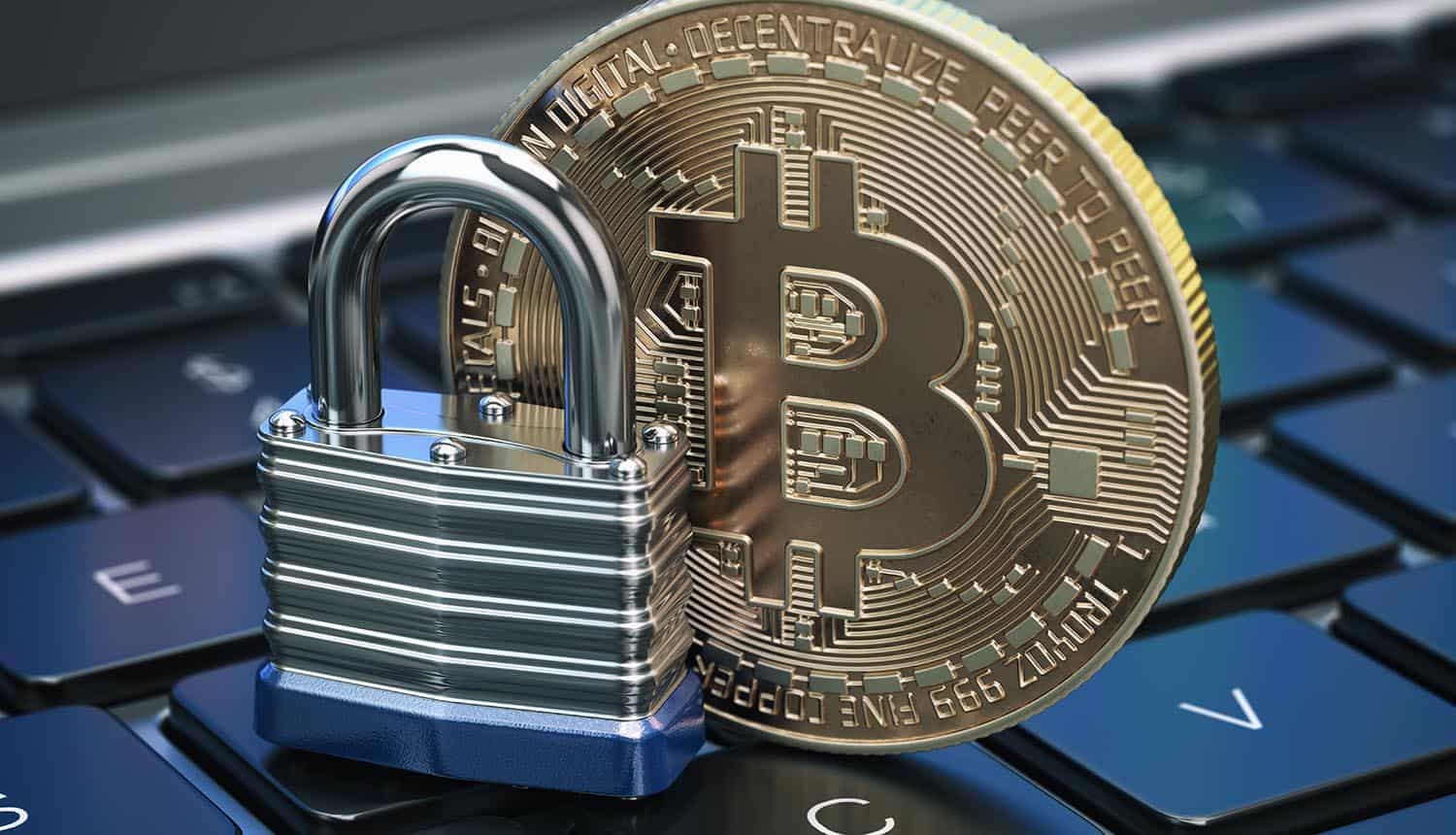

Introduction to Bitcoin Security
Bitcoin, the pioneering cryptocurrency, has garnered significant attention as an innovative digital asset. However, its decentralized nature and lack of regulatory oversight also make it susceptible to various security risks. Understanding these risks and implementing effective security measures is crucial for safeguarding your Bitcoin investment. In addition, if you are looking for a free and easy-to-use website that helps people find an education company to start learning about investments, you may visit Immediate Wealth. Bitcoin security primarily revolves around protecting your access to your coins, ensuring the integrity of transactions, and safeguarding against theft or loss. In this guide, we will explore the essential aspects of Bitcoin security and provide actionable tips to help you protect your investment.
Securing Your Bitcoin Wallet
One of the fundamental aspects of Bitcoin security is the secure management of your Bitcoin wallet. There are several types of wallets available, including hot wallets (connected to the internet), cold wallets (offline), hardware wallets (physical devices), and paper wallets (printed or written down).
For maximum security, consider using a combination of these wallet types. Hot wallets can be used for day-to-day transactions, while cold wallets can store the bulk of your Bitcoin holdings. Hardware wallets are particularly secure as they store your private keys offline, making them less vulnerable to hacking attempts.
Protecting Against Phishing and Scams
Phishing attacks and scams are prevalent in the cryptocurrency space. Scammers often impersonate legitimate companies or individuals to trick users into revealing their private keys or other sensitive information. To protect yourself, always verify the legitimacy of the websites and individuals you interact with.
Be wary of unsolicited emails, messages, or social media posts asking for your private keys or personal information. Use reputable antivirus software and enable two-factor authentication (2FA) on your accounts to add an extra layer of security.
Securing Your Private Keys
Your private keys are the most critical aspect of your Bitcoin security. They are used to sign transactions and prove ownership of your coins. It’s crucial to store your private keys securely and avoid sharing them with anyone else.
Consider using a hardware wallet to store your private keys offline. If you must store them digitally, ensure they are encrypted and backed up securely. Avoid storing your private keys on devices connected to the internet, as they are more vulnerable to hacking attempts.
Using Secure Exchanges
When buying or selling Bitcoin on an exchange, it’s essential to choose a reputable and secure platform. Look for exchanges that comply with regulatory requirements and offer robust security features such as cold storage, encryption, and 2FA.
Before using an exchange, research its reputation and security practices. Avoid keeping large amounts of Bitcoin on exchanges for extended periods and consider transferring your coins to a secure wallet for long-term storage.
Implementing Multi-Signature Security
Multi-signature (multisig) wallets offer an additional layer of security by requiring multiple signatures to authorize transactions. This means that even if one of your private keys is compromised, an attacker cannot access your funds without the other required signatures.
To set up a multisig wallet, you will need to generate multiple private keys and distribute them among different devices or individuals. This ensures that no single entity has access to all the keys required to authorize transactions, reducing the risk of theft.
The Future of Bitcoin Security
As Bitcoin and other cryptocurrencies continue to evolve, so too will the security measures designed to protect them. Emerging technologies such as secure hardware and advanced encryption algorithms are likely to play a significant role in enhancing Bitcoin security in the future.
Additionally, advancements in regulatory frameworks and industry standards are expected to improve the overall security and legitimacy of the cryptocurrency ecosystem. It’s essential for investors to stay informed about these developments and adapt their security practices accordingly.
Conclusion
Securing your Bitcoin investment requires a proactive approach to managing your private keys, using secure wallets and exchanges, and staying vigilant against phishing and scams. By implementing these security measures, you can protect your investment and participate safely in the exciting world of Bitcoin and cryptocurrency.
