
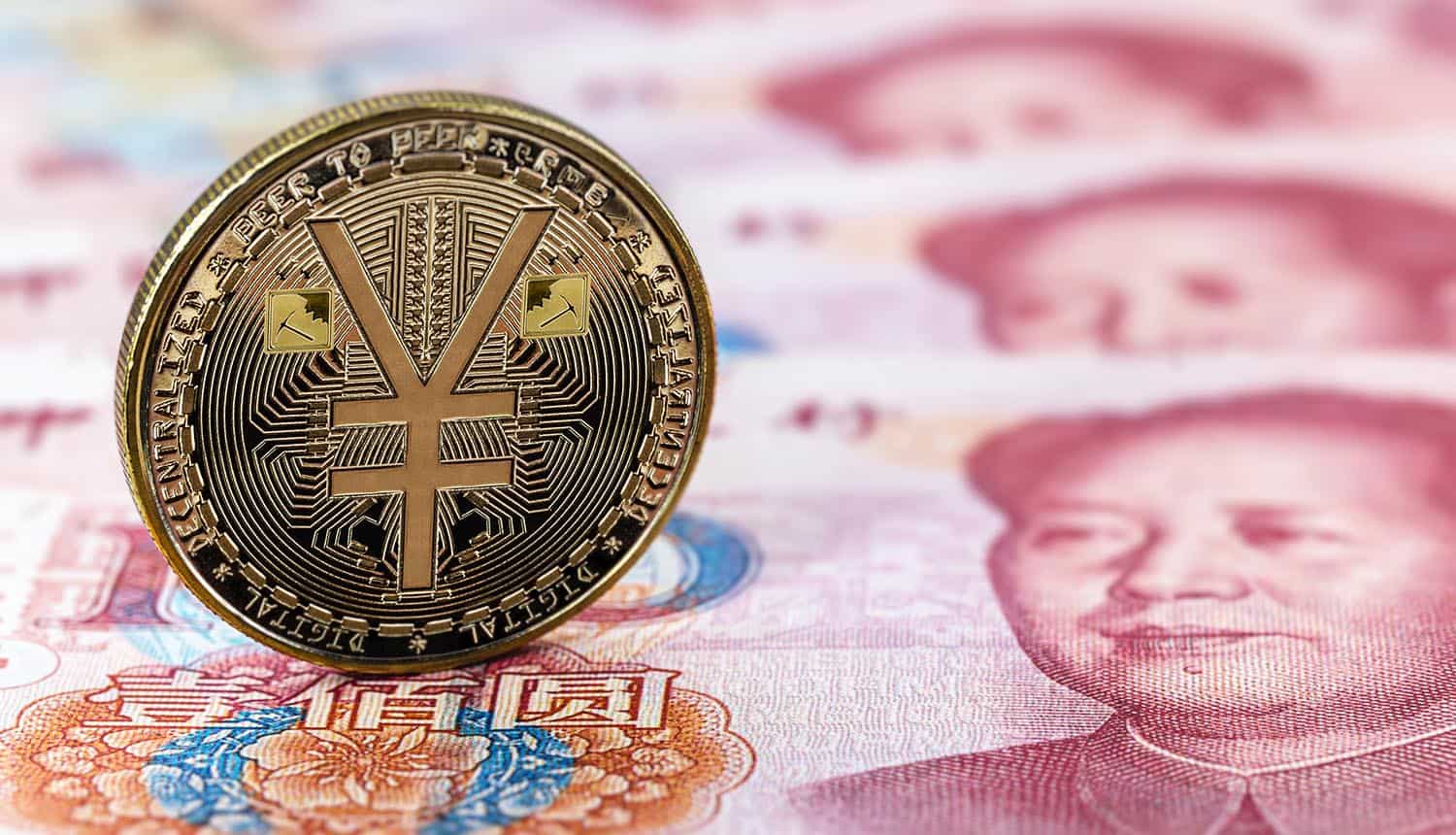

The digital yuan, often referred to as China’s central bank digital currency (CBDC), has emerged as a transformative force in the global financial landscape. With its unique blend of cutting-edge technology and central authority backing, the digital yuan has the potential to redefine how we think about money and payments. In this article, we will delve deep into the subject, exploring its origins, functionality, impact on traditional banking, global implications, comparison with cryptocurrencies, and future prospects. If you too are interested in Digital Yuan, you must visit Yuan Profit to get a clear understanding of investing tactics.
The Birth of the Digital Yuan
China’s journey towards creating a digital currency dates back to at least 2014 when the People’s Bank of China (PBOC) established a dedicated research team to explore the possibilities. The motivation behind this ambitious endeavor is multi-faceted, including reducing the reliance on physical cash, enhancing financial inclusion, and gaining a competitive edge in the global monetary system.
Key milestones in the development of the digital yuan include pilot programs in several major Chinese cities, with the most notable one being in Shenzhen, where citizens were given digital yuan in a lottery-style distribution. These initiatives have allowed the PBOC to gather valuable data and feedback for refining the digital currency’s design.
How the Digital Yuan Works
The digital yuan’s technical foundation relies on blockchain technology, albeit with some crucial differences from decentralized cryptocurrencies. Unlike Bitcoin, the digital yuan is centralized, with the PBOC maintaining strict control over its issuance and operation. This centralization ensures regulatory oversight, stability, and adherence to monetary policies.
Digital yuan transactions are facilitated through specialized digital wallets provided by authorized financial institutions. These wallets allow users to make payments, receive funds, and manage their digital yuan holdings. The system is designed to be user-friendly, making it accessible to a wide range of people, including those without smartphones.
The Digital Yuan’s Impact on Traditional Banking
The introduction of the digital yuan presents both opportunities and challenges for traditional banking institutions in China. Commercial banks may see changes in deposit patterns as users opt to hold their funds in digital yuan wallets. Additionally, the PBOC’s direct issuance to the public could reduce the need for intermediaries in currency distribution.
However, traditional banks can also play a vital role in supporting the digital yuan ecosystem by offering digital yuan-related services, such as account management and cross-border transactions. Moreover, the digital yuan provides an opportunity for banks to modernize and innovate their financial products and services.
Global Implications and Geopolitical Dynamics
The digital yuan has not gone unnoticed on the international stage. China has ambitious plans to use the digital yuan to internationalize the renminbi and reduce reliance on the U.S. dollar in global trade. This development has raised concerns among some nations, including the United States, about the potential for the digital yuan to challenge the dominance of the dollar.
Furthermore, countries are closely monitoring China’s digital currency initiatives and considering their own CBDCs in response. This race to digitalize national currencies could reshape the global financial power dynamics in the coming years.
Digital Yuan vs. Cryptocurrencies
While the digital yuan shares some similarities with cryptocurrencies, such as digital wallets and blockchain technology, it differs significantly in terms of centralization and regulatory oversight. Cryptocurrencies like Bitcoin operate in a decentralized manner, independent of government control, while the digital yuan is firmly under the PBOC’s authority.
This distinction has implications for issues like privacy, censorship resistance, and monetary policy. The digital yuan is designed to comply with existing financial regulations, ensuring that illicit activities are easily traceable, whereas cryptocurrencies offer varying degrees of anonymity.
Future Prospects and Challenges
The future of the digital yuan holds promise, but it is not without its challenges. The adoption of the digital yuan within and outside China will depend on factors such as regulatory acceptance, user trust, and convenience. The PBOC continues to refine the digital currency’s features, with potential enhancements in smart contract functionality and cross-border transactions.
However, concerns related to privacy, security, and potential abuse of power by the central authority remain. Striking the right balance between these concerns and the benefits of digital currency will be a continuing challenge.
Conclusion
The digital yuan represents a significant step in the evolution of money and payments. Its unique blend of central authority control and blockchain technology sets it apart from cryptocurrencies and traditional fiat currencies. As it continues to develop and expand, the digital yuan has the potential to reshape not only China’s financial landscape but also the global monetary system. The world will be watching closely as the digital yuan’s new wave continues to make waves in the financial world.
