
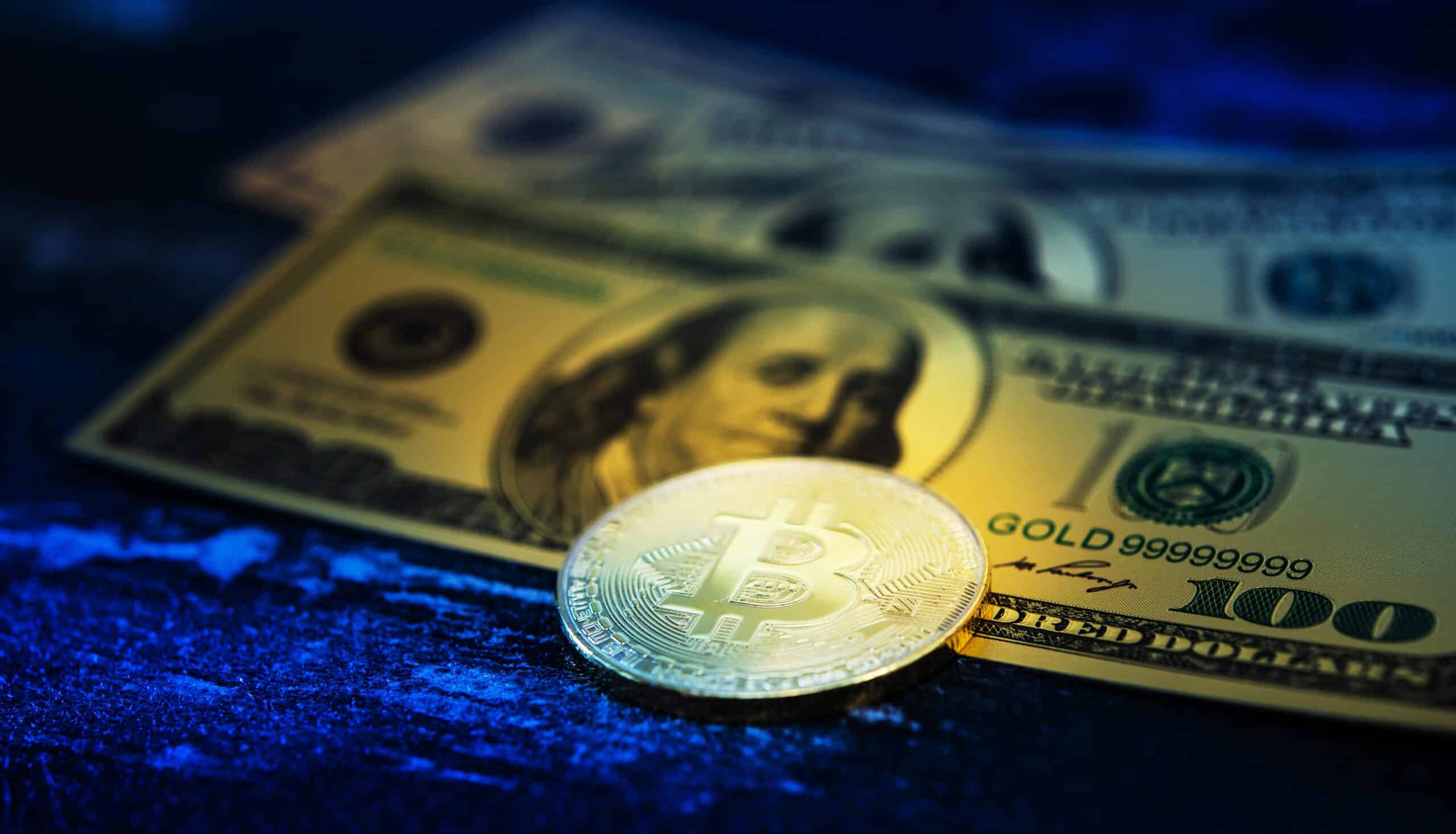

Online payments are becoming an increasingly important section of just about every business, with websites continuing to drive customers seeking convenient ways to pay for goods and services. Some figures point to one-in-four total retail payments being performed online by the end of next year. However, online payments inherently raise concerns around financial and personal data security.
It’s an issue that’s foolhardily overlooked by some businesses. Some see the standardized and commonplace payment methods as being enough to cover all potential security gaps. New technologies like two-factor authentication and Secure Sockets Layer certificates are helping to assuage fears, but the threat of a breach is an ever-present one. Perhaps it’s because of this that some are seriously considering a move to a blockchain model.
The State of Play for Secure Online Payments
Secure payment systems encompass everything from in-person payment terminals that often trigger two-factor authentication – first by presenting the card and then by inputting the PIN – all the way to mobile payments apps and digital wallets. There are many different forms, but across them all, the aim of the payments infrastructure is to cater to safe processing on both sides of a transaction and to transmit that transaction to all relevant parties.
Mitigating unauthorized access, fraudulent payments, and data or financial theft is the aim of the game. While the least tech-forward on the face of things, credit cards remain very popular for online payments. They come with encryption and can protect against fraud, but many customers dislike having to directly input card details onto a website for fear that they might be hacked in some way. So, in steps digital wallets to offer a different approach.
Headlined by PayPal, the best digital wallets offer end-to-end encryption and obscure the user’s payment details even from the business they’re paying, offering another layer of security. For a business overall, though, it’s key to offer popular methods and these more secure ones. It’s why online businesses that deal in a lot of transactions coming in and out, like bingo sites cater to a wide range of payment methods. PayPal, Apple Pay, and Google Pay are these, as are Visa, Mastercard, Maestro, and Mastercard SecureCode. Then, there’s also the Paysafecard.
Does Blockchain Technology Improve the System?
Blockchain technology can significantly increase the baseline security of a payments system by its very nature. They use a tamper-resistant record of transactions known as the public ledger that tracks all of the coins and additional digital assets of the system. Copies of money and double-spending are next to impossible on a blockchain. From there, the decentralised security measures of verification bolster the system further.
There is a kind of attack on smaller blockchains that can disrupt the security measures, which requires the attacker to come in with at least half of the computational power of the network. Still, most would gravitate to medium-sized blockchains or larger, for which, it’s close to impossible to amass enough power to hack a block on the chain before the next one if built.
Without a single point of failure thanks to the decentralisation, digital records set in stone, real-time verification measures, and cryptographic protection, blockchains do offer a greater level of security than most secure payment systems. The issue is adoption. While there are systems that blend them in with standard fiat currency payment methods, the general public is yet to fully embrace crypto or blockchain technology.
Blockchain technology should be the future of secure online payments, but businesses need to cater to their customers. So, for now, blockchain-based payment systems will remain rather niche.
