
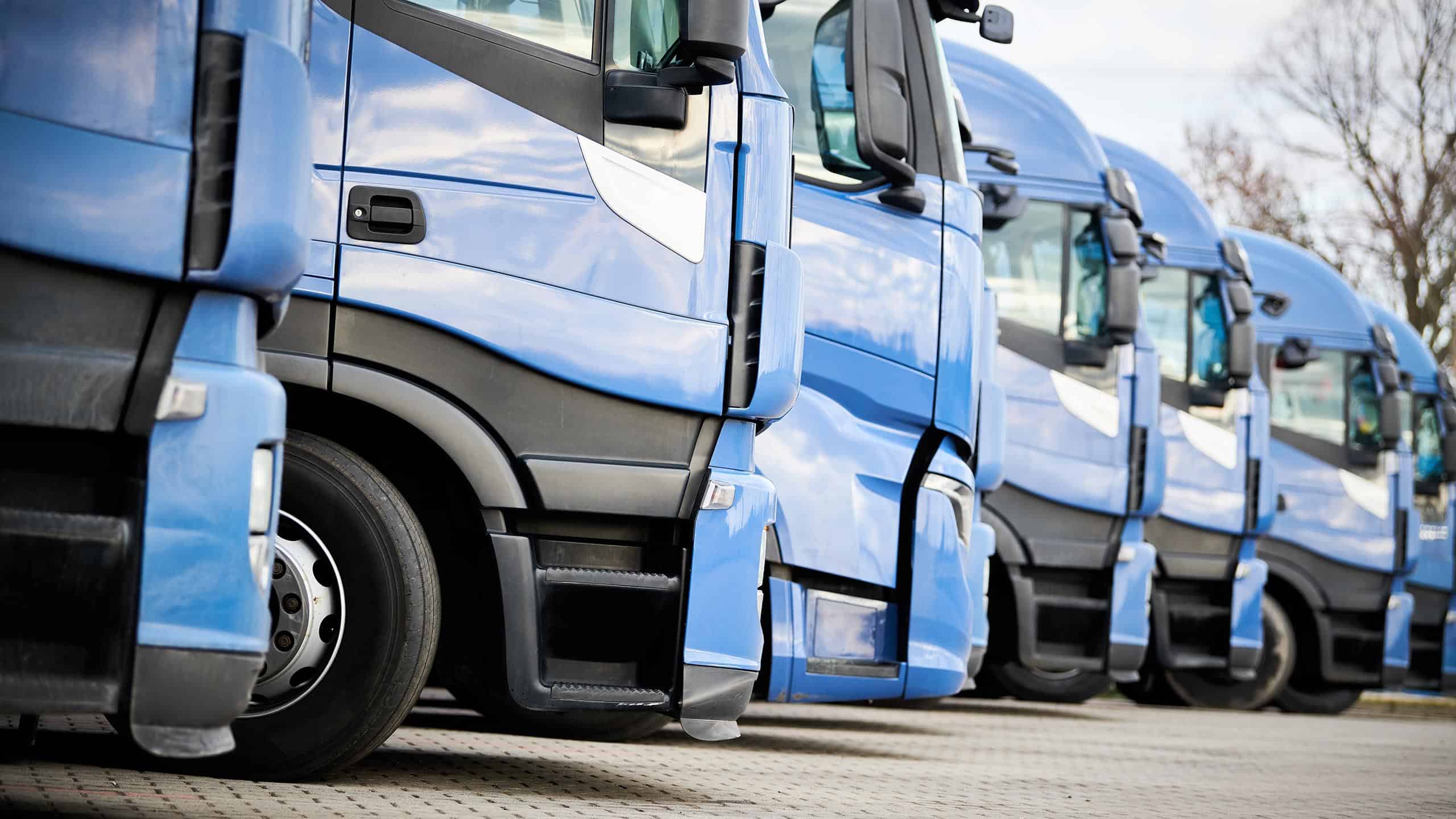

Independent truckers are the backbone of Montana’s freight economy. They move grain, livestock, lumber, oil, and consumer goods across long stretches of highway, often covering hundreds of miles of rural terrain in a single day. For these small business owners, the challenges usually appear obvious. Usually, those are rising fuel costs, unpredictable weather, and the ever-present risk of accidents on icy or narrow highways.
But another danger lurks behind the wheel that many drivers don’t see until it’s too late: cyber threats. From stolen data to hacked logging devices, cyberattacks are becoming as real a risk to independent truckers as blown tires or bad brakes. The trucking industry is digital now, and small operators are finding themselves targets in a game they never signed up to play.
Why Cybersecurity Matters for Montana’s Independent Truckers
Not long ago, independent truckers could run their businesses with little more than a paper logbook, a CB radio, and a reliable rig. Those days are gone. Federal regulations now require electronic logging devices to track hours of service. Dispatching happens on mobile apps. Load boards, payment systems, and route planning tools are all online.
That digital shift creates efficiency, but it also creates risk. Each app or device collects and stores sensitive data such as personal identification, customer contracts, bank account details, and GPS location. If that information falls into the wrong hands, the consequences can be severe.
IBM’s 2024 X-Force Threat Intelligence Index reported that transportation ranked as the eighth most targeted industry for cyberattacks in 2023. Hackers don’t discriminate between a trucking giant with a thousand rigs and a Montana-based owner-operator with one truck. I
In fact, small businesses often make easier prey because they don’t have IT teams or strong security in place. A stolen password or infected email attachment can lead to drained accounts, lost contracts, or weeks of downtime.
Common Cyber Threats
Truckers in Montana face the same digital risks as big corporations, but with fewer defenses. Phishing scams are common, with emails or texts disguised as dispatch notes, load confirmations, or fuel discounts tricking drivers into giving up passwords or payment information. Ransomware is another danger, locking up dispatch apps, invoicing systems, or GPS tools until a payment is made. Data breaches are an ongoing concern as well, since a compromise in a trucking app or third-party platform could expose driver records, customer details, or banking information.
Even something as ordinary as logging onto Wi-Fi at a truck stop can be risky. Hackers often exploit public connections to intercept logins or financial transactions. The transportation industry has already seen the consequences on a larger scale. In 2021, a major logistics company in the United States suffered a ransomware attack that forced operations offline, leaving drivers stranded and shipments delayed. If cybercriminals can shut down a corporation, independent truckers are just as vulnerable, if not more so.
When the Risks Go Beyond the Digital
Cybersecurity is not only about protecting data. In some cases, digital risks spill directly into physical safety. A hacked GPS system could reroute a truck onto unsafe roads. A malfunctioning electronic logging device infected by malware could distract a driver or lead to compliance violations. In the worst cases, these kinds of problems can contribute to serious accidents on Montana’s already dangerous highways.
The state’s driving conditions are notoriously challenging. Long rural stretches, unpredictable weather, mountain passes, and limited emergency response make accidents an ever-present risk. Independent truckers, who often drive long hours alone, carry even greater vulnerability.
When accidents happen, the consequences are not only physical but also financial and legal. Medical bills, claims, and insurance disputes can overwhelm a one-truck business. An experienced Montana truck accident lawyer can help determine liability, which is often complicated when multiple parties are involved. Just as importantly, they protect the rights in cases where insurers may attempt to shift blame or minimize payouts.
Cybersecurity and accident protection may seem like separate issues, but in today’s world, they overlap more than most drivers realize.
Barriers to Cybersecurity
Despite the risks, most independent truckers in Montana are unprepared for cyberattacks. The reasons are clear. With fuel, insurance, and maintenance costs rising, few truckers have money to spare for IT support. Many assume hackers won’t bother with a single-truck operation, not realizing that cybercriminals often prefer small, easy targets.
Outdated equipment adds to the problem. Older phones, laptops, or GPS devices may lack the latest security patches, leaving them wide open to exploitation. On top of that, many drivers simply haven’t had the chance to learn basic cybersecurity practices, which makes it easier to fall for phishing scams or download infected files.
These obstacles create a dangerous gap between the threats truckers face and the defenses they actually have in place.
Steps Independent Truckers in Montana Can Take
The good news is that cybersecurity does not have to be complicated or expensive. Small truck owners can make themselves much safer by adopting a few simple habits. Using strong, unique passwords for every app and account greatly reduces the chance of compromise, especially when combined with multi-factor authentication.
Avoiding public Wi-Fi whenever possible—or securing it with a virtual private network—closes another common doorway for hackers. Keeping phones, laptops, and GPS devices updated ensures that known vulnerabilities are patched.
Backing up important data such as invoices, contracts, and customer contacts to a secure location also provides a safeguard in case of ransomware or device failure. Perhaps most importantly, approaching suspicious messages with caution. An email promising a load or offering an urgent fuel discount should always be verified before clicking. Some truckers are even beginning to explore cyber insurance, which can help cover losses from ransomware or data breaches.
Cybersecurity may not be second nature to drivers who built their careers on engines and road maps, but these steps prove that defending against hackers does not require a degree in computer science.
Final Words
Small trucking companies in Montana already face enough challenges on the road: harsh winters, long miles, and the constant possibility of an accident. However, cyber threats are an equally serious concern. A single phishing scam or ransomware attack can sideline a trucker just as effectively as a breakdown.
Cybersecurity may feel like an “extra” problem in a business already stretched thin, but the stakes are too high to ignore. Protecting digital tools is part of protecting the truck, the freight, and the business itself.
Staying safe now means more than keeping two hands on the wheel. It also means guarding against invisible threats that can cost just as much as a wreck on the highway.
