
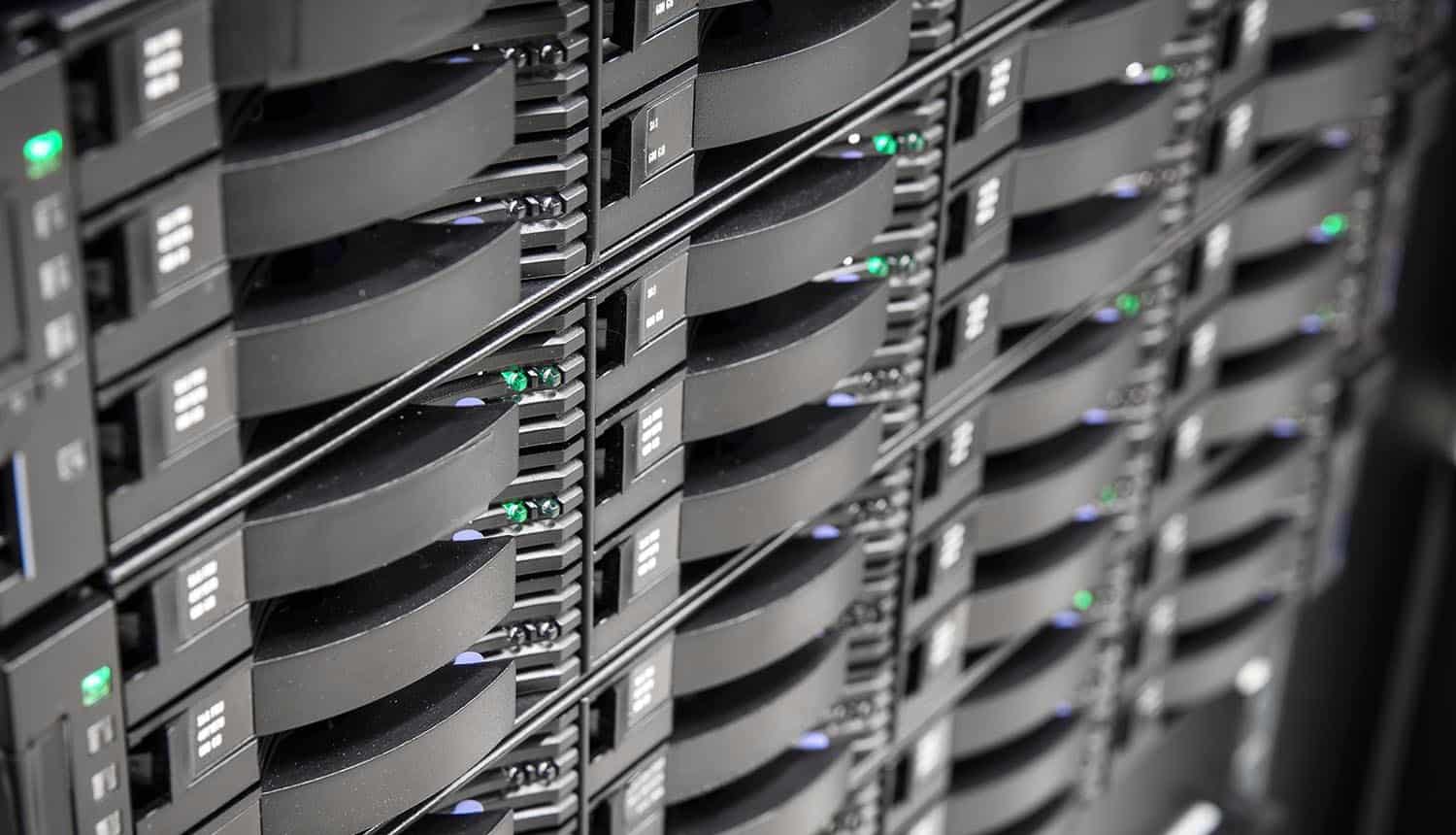

When a company refreshes its tech, the excitement usually centers on the shiny new servers or the lightning-fast laptops arriving at the loading dock.
But once the new gear is unboxed, a much quieter and riskier process begins.
We have to figure out what to do with the mountain of old equipment left behind.
Far too often, these retired devices are treated like “yesterday’s news” or simple scrap metal. In reality, that old hardware is a ticking time bomb of sensitive information.
Treating decommissioned IT equipment as a logistical afterthought isn’t just a mistake; it’s a massive cybersecurity vulnerability that many organizations are only beginning to understand.
The Overlooked Risk in Hardware Retirement
In today’s fast-paced corporate world, the turnover rate for digital devices is staggering.
We are constantly refreshing our tech to keep up with remote work demands and cloud migrations.
However, as new devices come in, the old ones frequently exit through a security “blind spot.”
While IT teams spend millions on firewalls to guard active data, the equipment sitting in a hallway often gets zero oversight.
This is where the danger really lies.
A laptop tucked away in a desk drawer or a server waiting for a pickup is still an active asset.
If it isn’t tracked with the same rigor as a new deployment, it becomes a goldmine for anyone looking to bypass traditional network security.
How Sensitive Data Persists on Old Devices
There is a persistent myth that hitting “delete” or performing a factory reset is enough to protect a company.
Unfortunately, it’s not that simple.
Deleting a file is like removing a chapter from a book’s table of contents without actually tearing out the pages.
The information is still there, just hidden from view.
Modern forensic software can easily piece together data from drives that haven’t been professionally scrubbed.
We’re talking about proprietary source code, internal HR records, and private customer databases.
There have been countless cases where people bought “wiped” enterprise gear on secondary markets and recovered enough data to cripple the original owner.
Without a verified destruction process, your discarded hardware remains an open book.
Compliance and the Legal Nightmare
It isn’t just about a potential leak; it’s about the legal hammer that follows.
Global regulations like GDPR and CCPA have changed the stakes for everyone.
These laws don’t care if your data was stolen by a hacker or found on a hard drive in a dumpster. The fine is the same.
Organizations are now legally responsible for data throughout its entire lifecycle.
This responsibility lasts until the moment of physical or digital destruction. If a third-party vendor loses a crate of your old tablets, the liability still rests on your shoulders.
This “chain of custody” is the most overlooked part of modern compliance.
Failing to secure the “dark data” on these assets can lead to massive fines and a PR nightmare.
The Power of Professional Sanitization
So, how do you actually get rid of the risk?
It starts by moving away from “best guesses” and toward industry-certified standards like NIST 800-88.
This isn’t just technical jargon; it’s a rigorous framework that ensures data is purged beyond any hope of recovery.
This is where professional itad services (IT Asset Disposition) become essential for a modern business.
These experts don’t just take your old gear; they provide a documented, serialized audit trail. You get a certificate of destruction for every single serial number.
Whether you choose physical shredding or high-level digital erasure, having a verifiable paper trail is your only real defense during a regulatory audit.
Integrating Retirement into Your Security Strategy
If your disposal process is handled entirely by logistics without input from security, you have a problem.
Asset retirement needs to be baked into your overall cybersecurity strategy from day one.
This means having a clear policy for how devices are decommissioned and where they are stored while awaiting pickup.
For large-scale operations, like closing a branch or migrating a server farm, specialized data center decommissioning services are a lifesaver.
They handle the heavy lifting of pulling thousands of drives while maintaining a strict chain of custody.
By treating hardware retirement as a security function rather than a chore, you ensure that no device or data ever falls through the cracks.
Sustainability Meets Security
There’s a silver lining to all this: security and environmental goals can actually work together.
We are seeing a massive shift toward the “circular IT economy,” where the goal is to keep materials in use longer.
Many people think they have to smash a laptop to bits to keep the data safe, but that’s a waste of perfectly good hardware.
If you use high-end digital erasure, you can safely refurbish and resell that equipment.
This allows your company to recoup some of the original cost while keeping e-waste out of landfills.
You protect your brand with professional-grade security, and you hit your ESG targets by giving that hardware a second life.
Why Professional Oversight Matters
The reality of the modern workplace is that we are surrounded by data-storing devices.
It’s not just servers and PCs anymore; it’s smart printers, networking switches, and even specialized medical equipment.
Each of these items represents a doorway into your organization.
Trying to manage the disposal of these assets in-house is often a recipe for disaster.
Professional disposition partners bring specialized tools like industrial-grade degaussers and shredders that the average IT department simply doesn’t have.
They also stay up-to-date on the latest forensic recovery techniques, ensuring that your disposal methods are always one step ahead of the people trying to steal your information.
The Human Element of Data Security
We often talk about data as if it were something abstract, but behind every bit of data is a person or a process.
When a company fails to decommission equipment properly, they aren’t just losing files; they are losing the trust of their employees and customers.
Think about the peace of mind that comes with knowing every retired asset has been accounted for.
That level of detail requires a culture of accountability that starts at the top and filters down to the loading dock.
It’s about building a system where “good enough” is never the standard for data security.
Conclusion
At the end of the day, retired IT assets shouldn’t be seen as trash; they should be seen as containers of high-value intelligence.
The moment a device is unbolted from a rack or closed for the last time, it enters its most vulnerable state.
Moving from active use to final disposition requires a plan that is transparent, documented, and secure.
By treating hardware retirement with the same respect as a network upgrade, you protect your customers, your reputation, and your bottom line.
It’s time to stop looking at old gear as a headache and start seeing it as the final frontier of your cybersecurity defense.
