
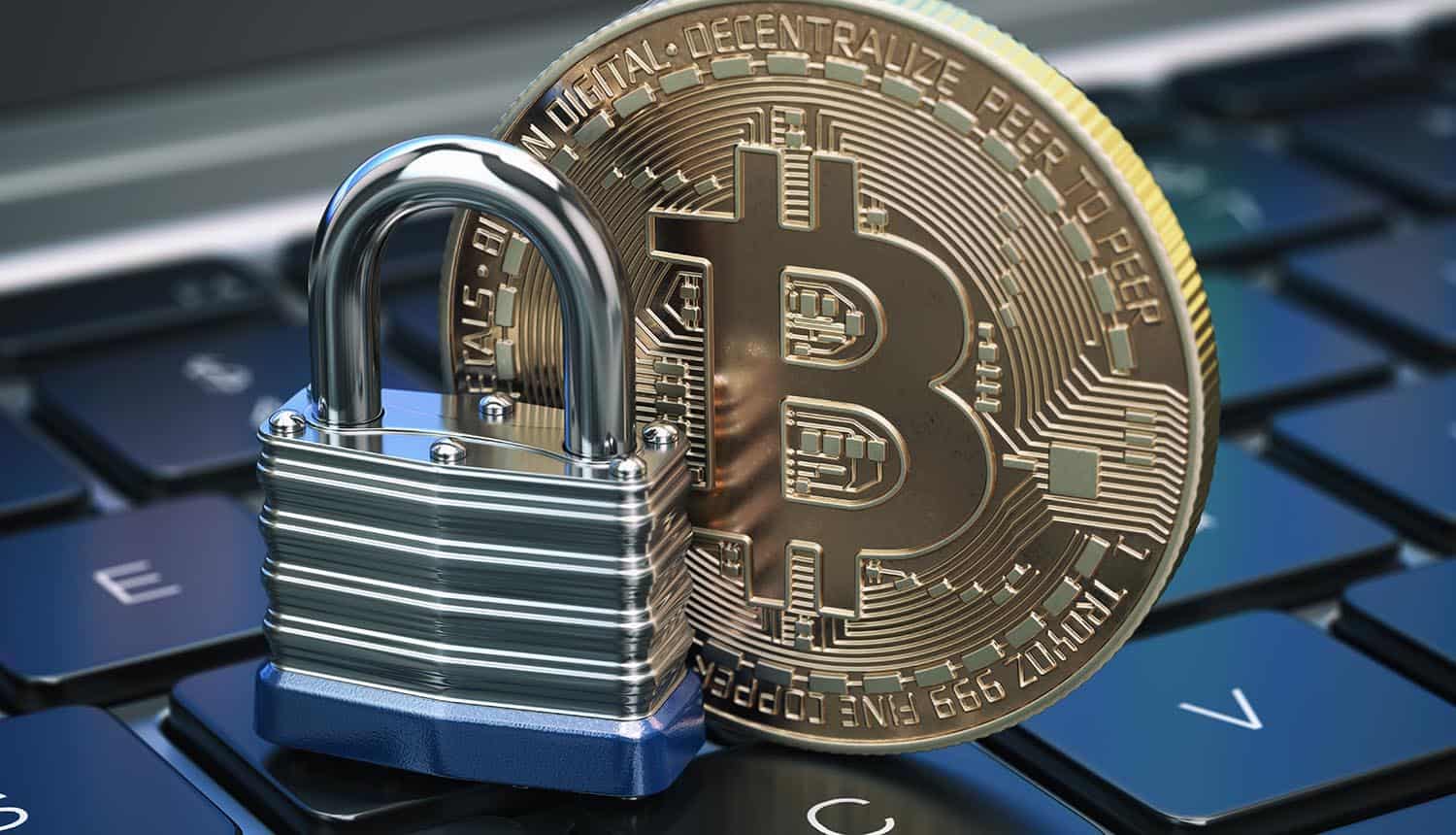

In the ever-evolving landscape of cryptocurrency, security stands as the linchpin for safeguarding digital assets, particularly Bitcoin. As the value and popularity of cryptocurrencies surge, so too do the threats posed by malicious actors seeking to exploit vulnerabilities in the digital realm. This article delves into top-tier security methods to fortify your Bitcoin holdings, providing crucial insights to navigate the complex landscape of crypto threats. While discussing advanced security methods for cryptocurrency, platforms like Immediate Global play a crucial role in educating traders and investors about digital assets.
Understanding Crypto Threats
Cryptocurrency users face a myriad of threats, ranging from traditional hacking techniques to sophisticated phishing schemes and ransomware attacks. Recent years have seen high-profile breaches, such as the infamous Mt. Gox incident, emphasizing the need for robust security measures. These threats are not static; they evolve with the technology. Understanding the landscape is the first step in building a resilient defense against potential breaches.
Building Your Digital Fort: Wallet Security
Securing your crypto assets begins with choosing the right wallet. Hot wallets, connected to the internet, offer convenience but are susceptible to online threats. Cold wallets, on the other hand, store private keys offline, providing a higher level of security. Hardware wallets, a type of cold wallet, are physical devices specifically designed to store cryptocurrency securely. Utilizing a combination of these wallet types according to your needs enhances the overall security of your holdings.
Best practices for securing private keys involve maintaining strict confidentiality. Avoid storing them on easily accessible devices or cloud services. Instead, opt for physical storage methods such as hardware wallets or paper wallets. Creating backups and keeping them in secure, offline locations adds an extra layer of protection.
Multi-Factor Authentication (MFA)
Multi-Factor Authentication (MFA) is a cornerstone in fortifying crypto account security. This method requires users to provide multiple forms of identification before granting access, significantly reducing the risk of unauthorized access. MFA can be implemented through various means, including biometrics, security tokens, or time-based one-time passwords (TOTP). Adopting MFA adds an additional barrier, making it exponentially more challenging for attackers to compromise your accounts.
Secure Transactions: Best Practices
Ensuring the security of your transactions involves a combination of diligence and technology. Verifying recipient addresses before transferring funds is paramount. The rise of phishing attacks underscores the importance of double-checking addresses to prevent sending funds to malicious entities.
Public Wi-Fi poses a potential threat to the security of crypto transactions. Conducting sensitive transactions on a secure and private network minimizes the risk of interception. Additionally, employing Virtual Private Networks (VPNs) can further enhance transaction security by encrypting communication channels.
Staying Informed: Monitoring and Alerts
Staying abreast of the latest security developments is crucial in the ever-changing landscape of crypto threats. Setting up alerts for suspicious activities on your accounts provides a proactive approach to security. Numerous platforms and tools are available for monitoring crypto accounts, offering real-time notifications for unusual transactions or login attempts. By staying informed and acting swiftly, users can mitigate potential risks before they escalate.
Social Engineering Awareness
Social engineering remains a prevalent threat in the crypto space. Attackers employ psychological manipulation to trick individuals into divulging sensitive information. Recognizing and avoiding these tactics is paramount for user security. Education within the crypto community is instrumental in raising awareness about social engineering risks. Implementing skepticism and verifying the legitimacy of requests can thwart potential attacks.
Legal and Regulatory Considerations
Beyond technical measures, adherence to legal and regulatory frameworks is essential in securing crypto holdings. Understanding and complying with local regulations not only safeguards users from legal repercussions but also contributes to the overall stability of the crypto ecosystem. In case of security breaches, users should be aware of the legal remedies available, fostering a sense of accountability within the community.
Conclusion
In conclusion, fortifying your Bitcoin holdings requires a comprehensive approach that encompasses both technical and procedural measures. By understanding the dynamic landscape of crypto threats and implementing top-tier security methods, users can navigate the digital realm with confidence. Embracing wallet security, multi-factor authentication, and best practices for transactions, coupled with staying informed and vigilant against social engineering, forms a robust defense against potential threats. Ultimately, a collective commitment to legal and regulatory compliance strengthens the foundation of a secure and resilient crypto environment.
