
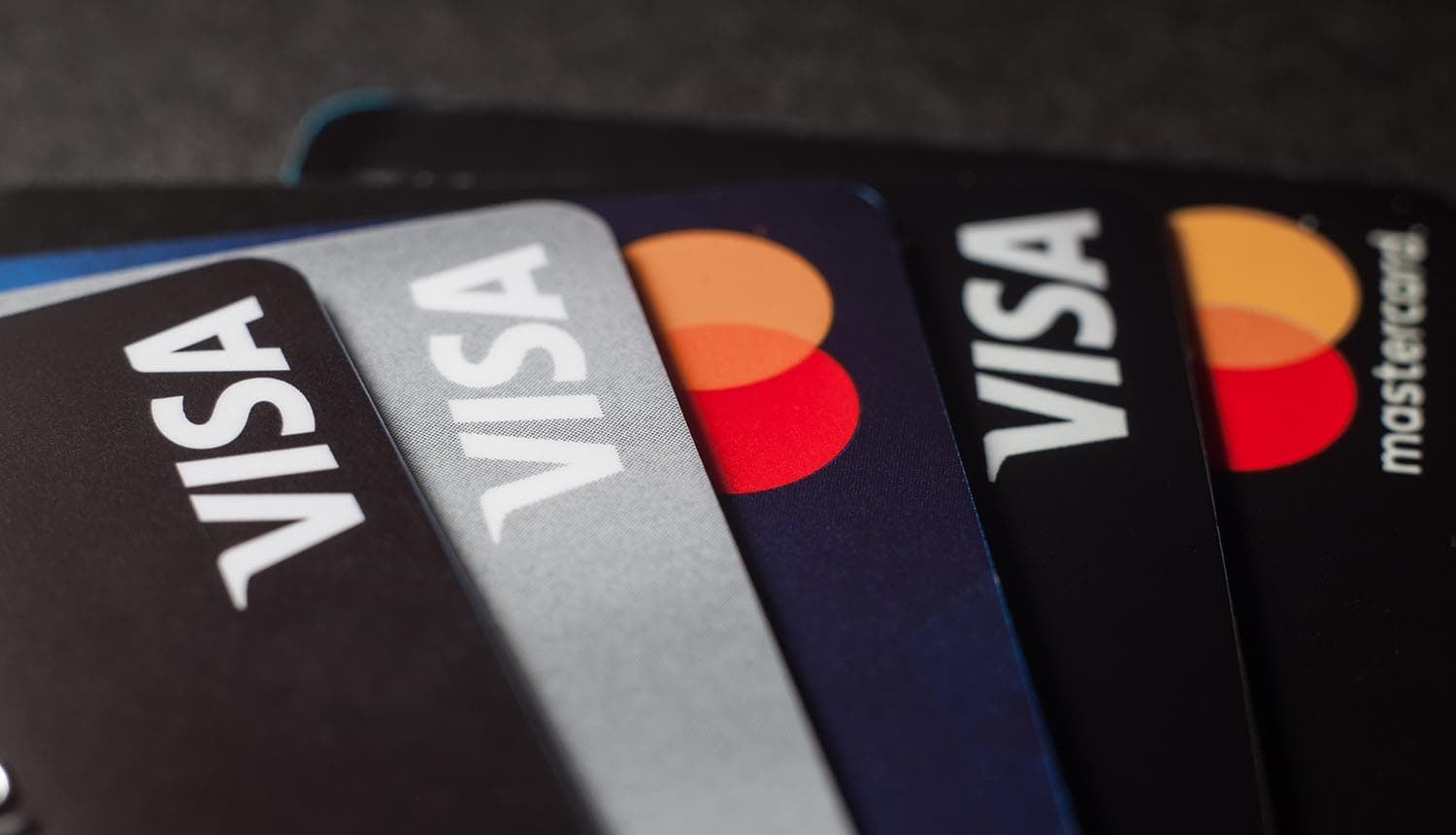

Digital payments are becoming faster and simpler. With that said, security has also had to increase to facilitate this. From biometric checkouts to tokenized transactions and real-time settlements, it’s safe to say that payment networks are helping to shape how money moves online, while raising the bar for security and financial data protection.
New Security Measures are Required to Protect Financial Data
The driving force behind today’s security evolution is changing consumer behaviour. More and more people are shopping online, but at the same time, people are also making bigger purchases. It’s now possible to buy ultra-luxury assets, including high-end property, private jets, art, and yachts, online. Some of them can reach tens or hundreds of millions, especially if they are facilitated by auction sites or brokers. On a more accessible level, ticket prices are also increasing, with VIP packages now the norm.
Travel packages can also be purchased, with bundle deals becoming more common, resulting in higher payments being made. In iGaming, newer versions of online slots, including Megaways titles, often award jackpots in the thousands, which translates to higher transaction values being made by casinos to users. As it’s possible for progressive jackpot slots to syndicate across multiple games, this translates again to higher value, showing that in almost every sector, financial protection is more important than ever.
Visa and Mastercard Have Shared Their Thoughts
Mastercard and Visa have both shared their thoughts on how important it is to not only facilitate fast transactions but also ensure that they are secure. Mastercard has launched Mastercard Transaction Stream to enable payments to clear in real time. One of the issues with this is that real-time payments are often accompanied by real-time risk. Machine learning and network monitoring are being used as part of their initiative to identify suspicious activity as soon as it happens, not hours later. Visa is also making moves, with the launch of Visa Token. After identifying that the issue with financial data protection lies with storing data, the company proceeded to generate 16-digit identifiers that replace the PAN number during transactions.
The Visa Token Service also replaces sensitive data for digital wallets, which include Apple Pay. By doing this, data is more protected when making online purchases, because even if it’s intercepted, the data is useless to those who have obtained it. As tokens are locked to a merchant, they cannot be used elsewhere, and on top of this, if a card is stolen, the token can remain active, allowing payments to continue even while a replacement card is being sent out.
As tokenization becomes standardized, biometric authentication is stepping in to try to replace passwords entirely. This means that data is not only better protected, but that checkout processes are simplified. One-click payments via digital wallets are set to become the norm, with one-click checkout buttons to be available by 2030. With Visa and Mastercard booths making moves to support this, and with online payments increasing in value by the year, it’s an exciting time for the financial sector, with data protection being a priority moving forward.
