Cyber threats are inevitable in today’s technologically driven world. While businesses are dependent on technology to grow, it’s also important to learn how to protect it from cyber attacks.
Facial recognition technology may not be as accurate as some people think and the U.S. Congress is likely to introduce bipartisan legislation to limit how the technology can be used, and by whom.
Car hacking is of growing cybersecurity concern as hackers are exploiting security vulnerabilities in the automobile. What can consumers do to secure their ride?
Think fake mobile apps are just displaying annoying advertisements? Think again as attackers are using them to steal data, extort ransoms or even infiltrate to company network through your phone.
As more and more marketers leverage on customer data to build target consumer base, it’s time for CMOs and marketing teams to get to know cybersecurity and focus on cyber risks too.
Bio-cybersecurity is not to be taken lightly as data breach could lead to healthcare companies buying back patient data from ransomware or hackers using stolen genetic data to blackmail individuals.
5G technology plus 74 billion IoT devices estimated by 2025, it’s no surprise that IoT security is one of the top concerns keeping many executives up at night.
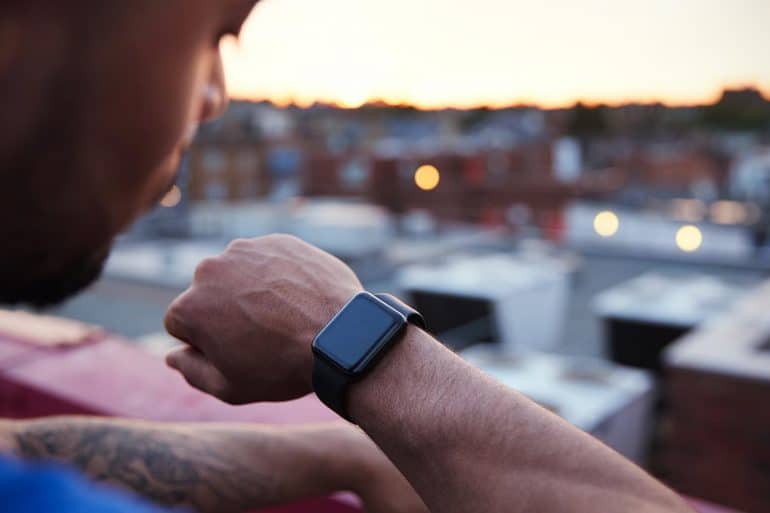
Fitness devices like Fitbit may no longer be used just for tracking physical health. U.K. researchers are looking into using fitness tracker technology to make people more aware of potential cyber threats and encourage them to take proactive action.
It’s a reality that companies are outsourcing almost every aspect of their operations thus effective vendor risk management is becoming more crucial, how should you do it?
One year on, the technology to support true data privacy and fully comply with GDPR is still lacking, and regulators have come face to face with the reality that we are still years away from being there.