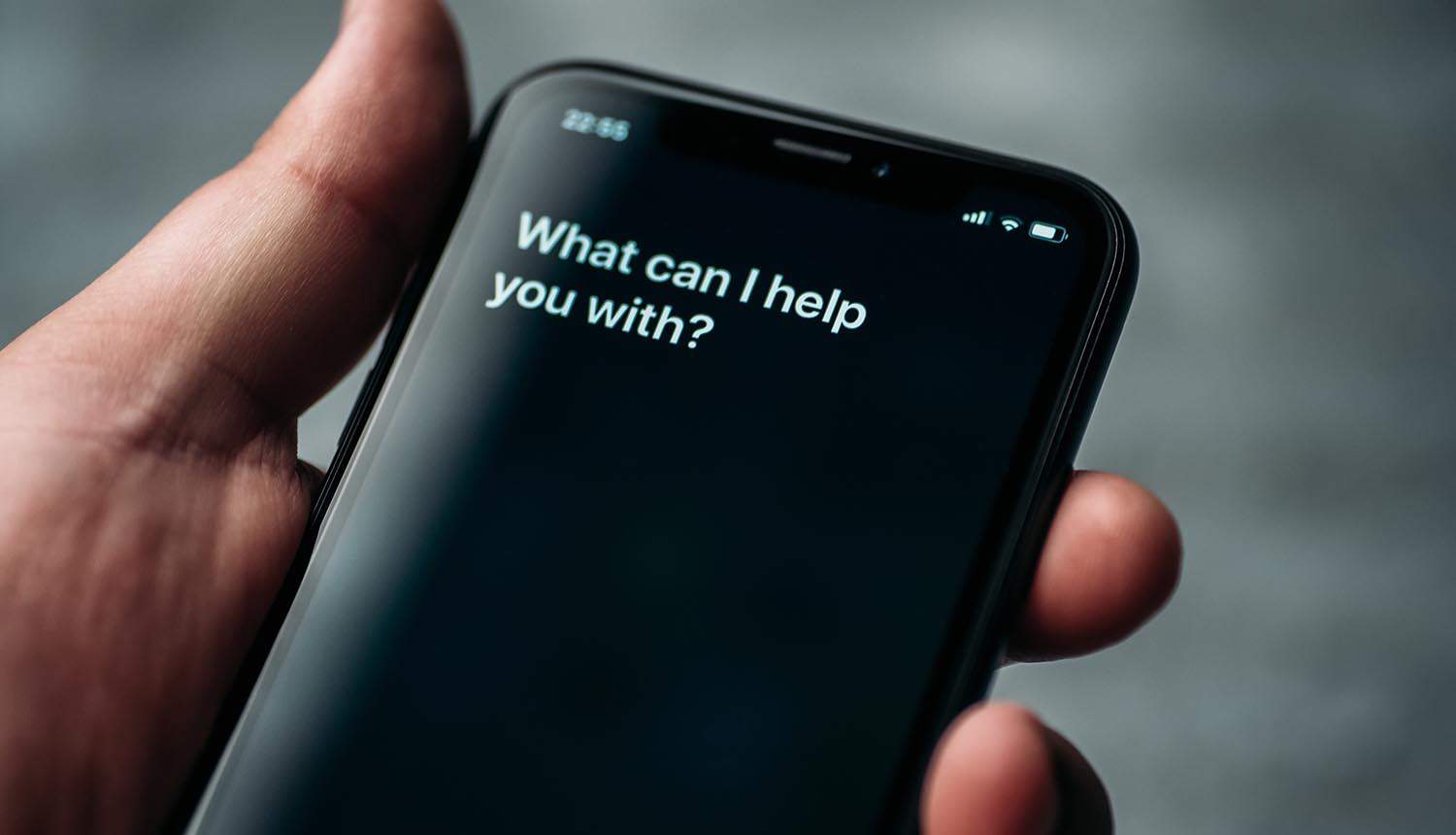
Speech recognition, often called "speech-to-text," is the technique by which a machine or computer software recognizes and analyzes a person's uttered utterances and translates them into text that can be read on a monitor.
Bolstering resistance to devastating electronic attacks requires organizations to take a resilience-oriented approach to cybersecurity. This article offers guidance on a starting point, viewed through the lens of the people, process, and technology dimensions.
Collecting more data without doing due diligence, getting the right team on the ground, and the right AI or processing tools for that team to use, is a massive gamble. You risk spending a lot of money and creating more security risks, without any of the pay off.
There is no question: multi-factor authentication helps protect business-critical resources using password-based authentication. However, how can organizations successfully implement multi-factor authentication for password resets when not every user has a mobile device to verify their identity?
It is no secret how important laptops have become in people's lives. With the advent of the powerful internet, laptops have become an essential part of our life—for work, entertainment and business.
Our reliance on SaaS across every facet of contemporary business operations has extended accessibility to nearly all enterprise resources. It is critical to properly acknowledge this shift to mitigate the full extent of risk this represents.
The nature of phishing attacks and the role of human error in the problem means that it’s unlikely we can completely eliminate this threat. Implementation of behavioral analytics solutions allow security teams to clearly identify irregular or abnormal behaviors and take action to determine if someone with access is a potential threat.
When we look back at the headline-making attacks of 2021, it’s clear that many are rooted in one fundamental issue: compromised identities. Stepping back and implementing identity security basics can help organizations prevent future hacks.
Balancing the requirements and intricacies of both remote and on-site working can be challenging. Here are some considerations and recommended strategies for securing the hybrid enterprise.
Privacy and cybersecurity professionals, the countdown is on. New omnibus privacy laws will go into effect in California and Virginia on January 1, 2023, creating a slew of updated regulatory requirements for businesses.