What are the tools that can help DPOs measure efficacy and progress in improving the risk position and level of compliance across multiple functions of the company?
Weak and compromised passwords are responsible for about 80% of hacking-related breaches. Today, there are more encryption options available to stop bad actors in their tracks.
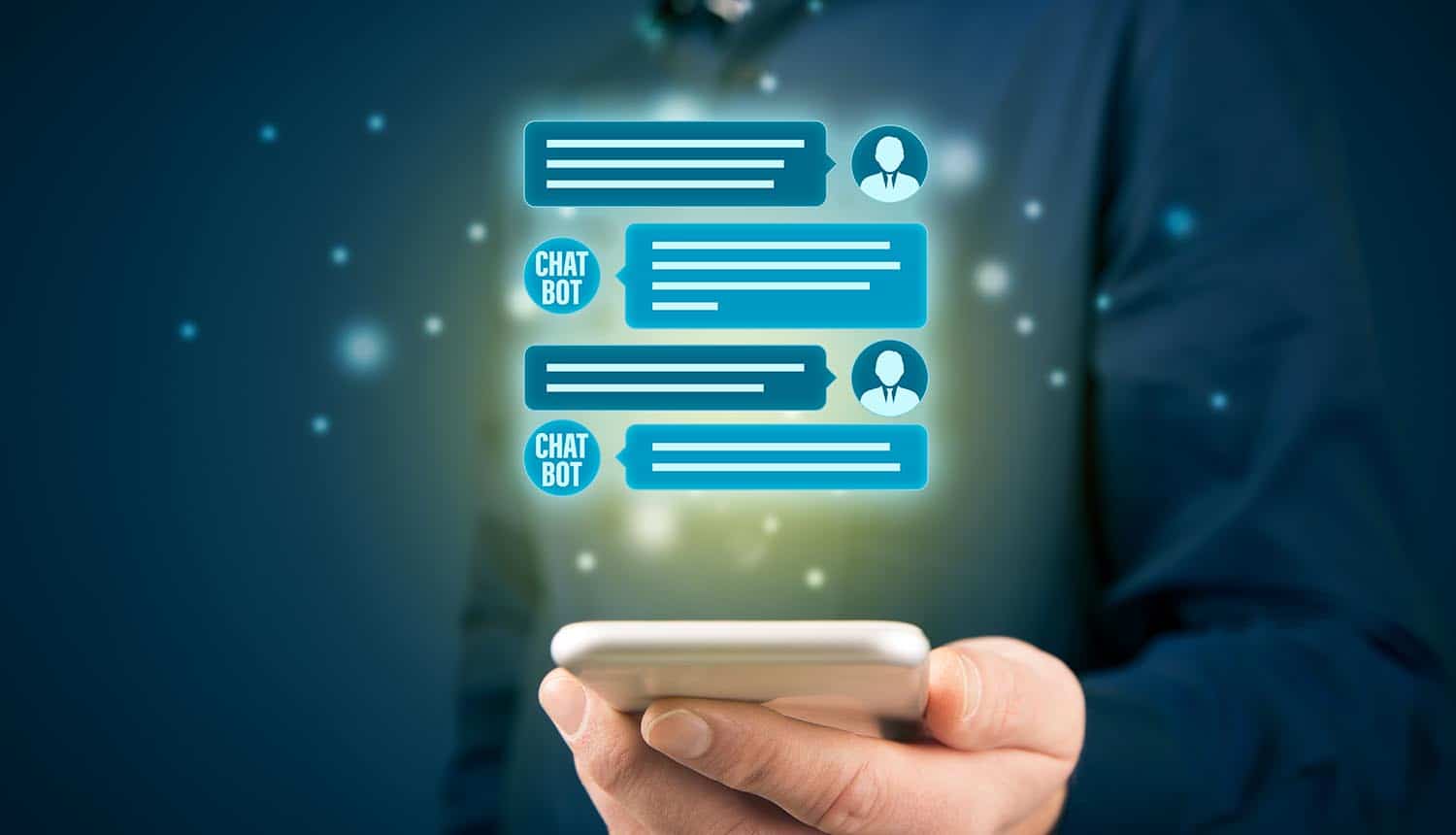
Intelligent chatbots are growing in popularity as they can reduce potential system vulnerabilities by funneling communications through highly secure protocols.
Identity theft is a frighteningly real concern during the holiday season as consumers shop more and cyber criminals get busy. Companies that proactively offer identity protection to cushion the full impact of a data breach on customers that are victimized will reap benefits of trust and loyalty from their customers.
While AI and Quantum may be powerful tools, don’t get distracted. As organizations race to unlock their potential, it’s easy to lose sight of the basic truth: your cybersecurity foundation matters more than ever.
As regulators get more serious about enforcing data protection rules, the severity of penalties issued against enterprises who fail to secure their customer data continues to grow and there's higher demand for better executive accountability as seen in the recent cases of Uber and Drizly.
As the technology that supports the modern workplace expands, so do the needs for identity management and credential assurance. Rigorous identity security standards shouldn’t have to overwhelm your IT team or budget.
Recent Russian hack that hit the Pentagon and multiple U.S. agencies should jolt enterprises from any lingering “breach fatigue” and jump-start efforts around cybersecurity.