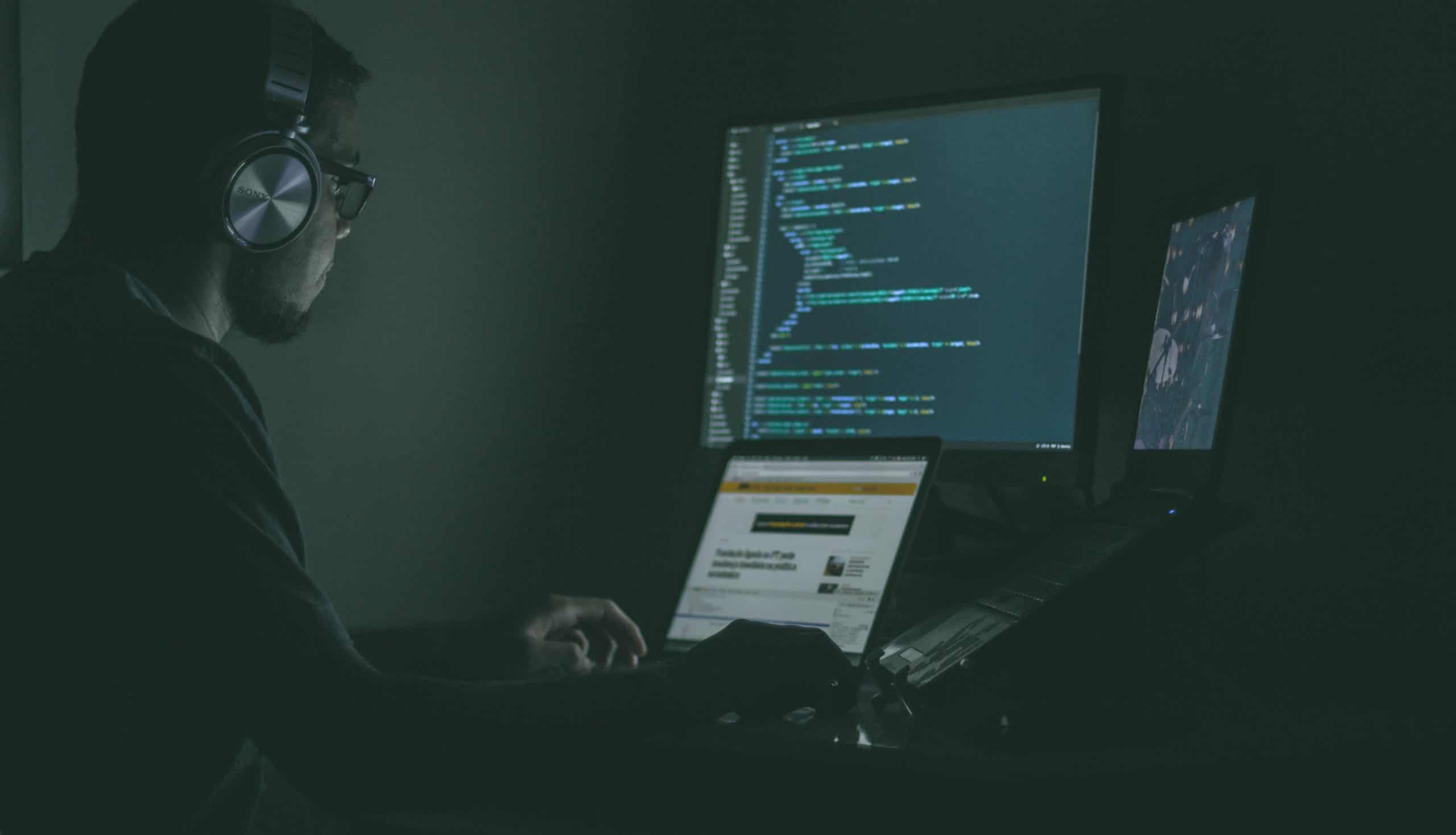
It’s beyond time to ask an uncomfortable question: are your employees your biggest defense or greatest vulnerability against insider threats? How well you defend your data depends on getting this question right.
As our vehicles become increasingly smarter and an extension of our mobile phones, users' security and privacy is being threatened by car hacking. Luckily, there are relatively simple measures you can take to protect your vehicle data, safety and security.
Cyber insurance premiums have jumped 73% in the U.S alone. Greater specificity over what is (and what is not) covered has become a feature of many updated policies, as has the expectation that companies need to have greater cybersecurity hygiene in place in order to qualify for insurance.
Some of the changes COVID-19 engendered will outlast the pandemic itself. The primary source of cybersecurity risks have shifted as remote work arrangements means the weak link is the individual employee who may not have adopted all the urgently needed new security measures.
Cybersecurity is a vast field that requires new specialists severely. The unemployment rate in cybersecurity is 0%. Whether you are looking to start a career in cybersecurity or revitalize an existing one, there’s a place for you here.
Synthetic identity fraud and identity fraud in general were the costliest kinds of fraud that U.S. ecommerce merchants suffered during 2021, as the incidence and total cost of online fraud continues to rise. Authorities and analysts report growth in the number of criminals targeting children and teenagers online.
By increasing security awareness, an organization can reduce its chance of having a cybersecurity incident by up to 70%. But, cybersecurity training can be cumbersome, meaning companies, and its employees, might not prioritize it, or at the very worst, not do it all.
To address supply chain attacks, the latest Firmware Integrity Measurement (FIM) specification, released by Trusted Computing Group, provides a framework to establish the integrity baseline of the firmware running on a device at the manufacturing stage.
Work from home has quickly taken over in many enterprises due to the recent crisis. However, a majority of enterprises forced into the remote work paradigm were unprepared at an infrastructural, policy, and cultural level.
As we move into 2022, developments in ransomware, growing data sprawl, hybrid working, the nascent but growing use of artificial intelligence (AI) and machine learning (ML) technologies will continue to make a significant impact on data protection and management.