COVID-19 pushed more firms towards Zero Trust security model to protect corporate networks from cyber threats. About 82% said they were committed to making the transformation.
Personal data protection is a fundamental EU right and is not negotiable in trade deals, The European Commission has provided four conditions for international data flows to comply with the GDPR. Yet, there is a “get out of jail free card,” allowing restrictions to be reviewed and accorded "sympathetic" consideration.
Extensive campaign involving the Pegasus spyware in El Salvador targeted at least 35 journalists and political activists from June 2020 to November 2021, with most of the country's major media outlets affected.
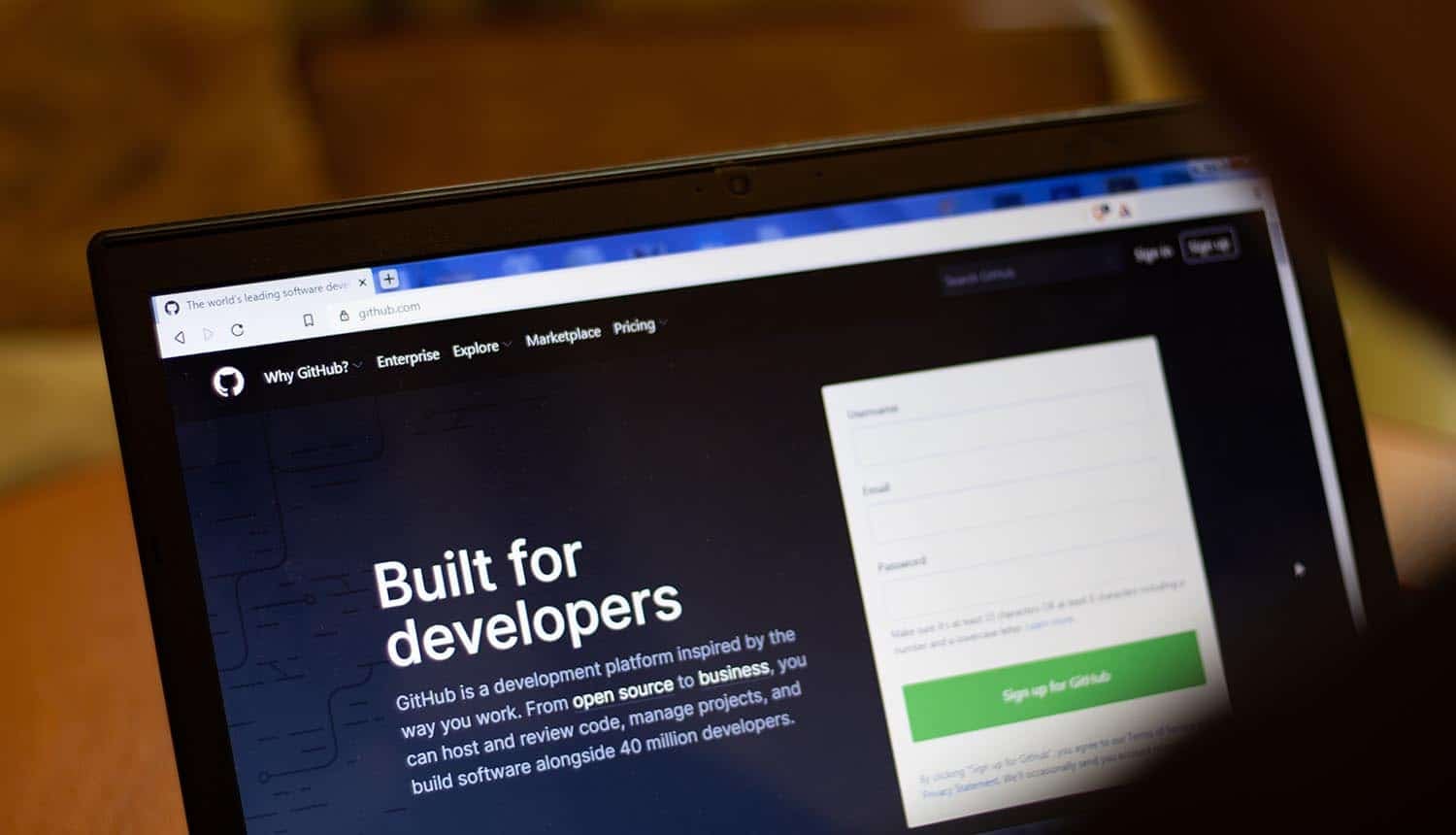
On May 19 GitHub confirmed the security breach across its social media channels, verifying that there was unauthorized access to internal repositories and stating that it was monitoring the situation for further activity. It also said that it had no evidence that information stored in customer repositories or internal information about customers was compromised.
Report finds that Apple first party user data collection is quite extensive, potentially more so than users realize. The App Store collects every tap made in the app and funnels it to a behavior profile, even if iPhone Analytics is entirely disabled.
The FBI and DOJ have seized a hacking platform operated by the Chinese state-sponsored threat actor QTFY, which was used to target critical infrastructure and conduct espionage.
NSA primarily conducts intelligence gathering and hacking against foreign adversaries. It does raise questions about to what degree the government is now planning to embrace Mythos AI in cyber operations and would appear to be a powerful confirmation of the system's cyber capabilities.
South Korea's Meta fine comes as the result of a four-year investigation into Facebook's data collection practices between 2018 and 2022. Meta was found to have collected user information about sexual orientation, political views and religion among other items.
The French Cybercrime Brigade (BL2C) has conducted numerous raids across the territory, detaining four alleged high-profile members of the BreachForums hacking forum.
Study from Citizen Lab Toronto explores the WeChat ecosystem and finds that data sharing can exceed what the user expects, and that the privacy policy does not always make the extent of this sharing clear.