AI deepfakes were used to contact three foreign ministers, a US Governor, and a member of Congress around the middle of June via the Signal messaging app. Two of the officials received fake voicemail messages mocked up to use Rubio's voice, and another received an invite to join a chat.
Malicious actors are using deepfake videos impersonating YouTube’s CEO to steal users’ credentials in a multi-month phishing campaign. The attackers sent private videos to targeted users via legitimate-looking emails, warning them that YouTube was changing its monetization policies.
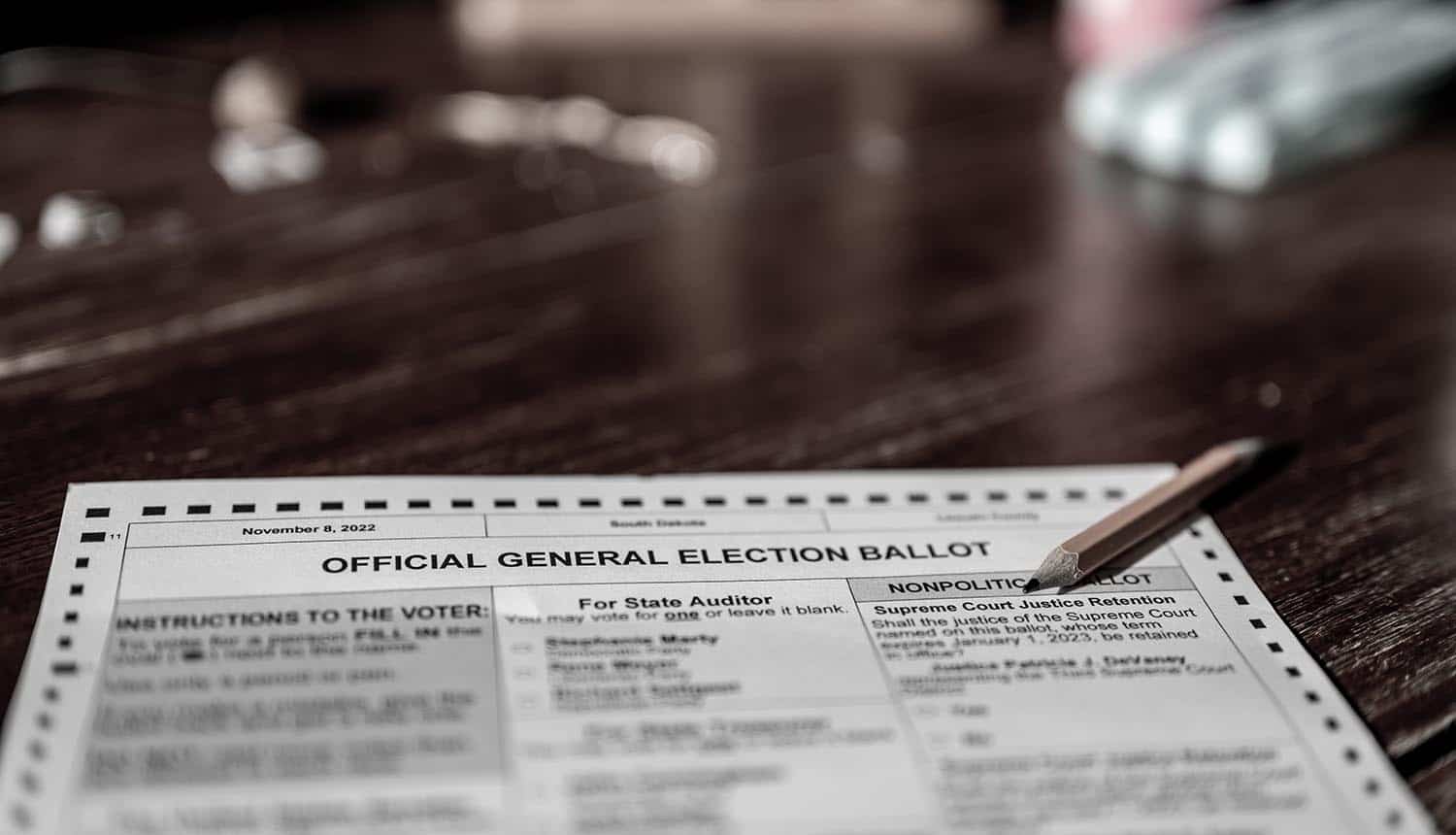
As the turmoil and momentum of a critical election year heightens, the biggest danger isn't necessarily the security of ballot machines. Instead, it lies in misinformation, exacerbated by the nature of social media, biased algorithms, and the proliferation of fake news.
A blogpost from LastPass Labs warns of an attempted voice phishing attack on an employee that made use of an audio deepfake of company CEO Karim Toubba. The attacker peppered the LastPass employee with a series of calls, text messages, though the employee recognized it as a scam attempt and no damage was done.
Deepfakes pose significant challenges for businesses, especially as deepfake technology becomes more accessible to cyber criminals. Spotting a deepfake can be challenging, requiring vigilance and education of their common flaws.
A Hong Kong deepfake scam that netted HK$200 million made use of a fake video conference with multiple company executives. The employee that was targeted reportedly did suspect fraud at first, but nevertheless ended up making a total of 15 bank transfers.
Facebook’s ban of deepfake videos appears to be a focus on the wrong threat as the technology has not shown to be advanced or user-friendly enough to create damaging "fake news”.
Deepfakes are becoming more effective with the advances in machine learning, CGI, and facial mapping technology. Humans will be increasingly unable to trust the evidence of their own eyes.