
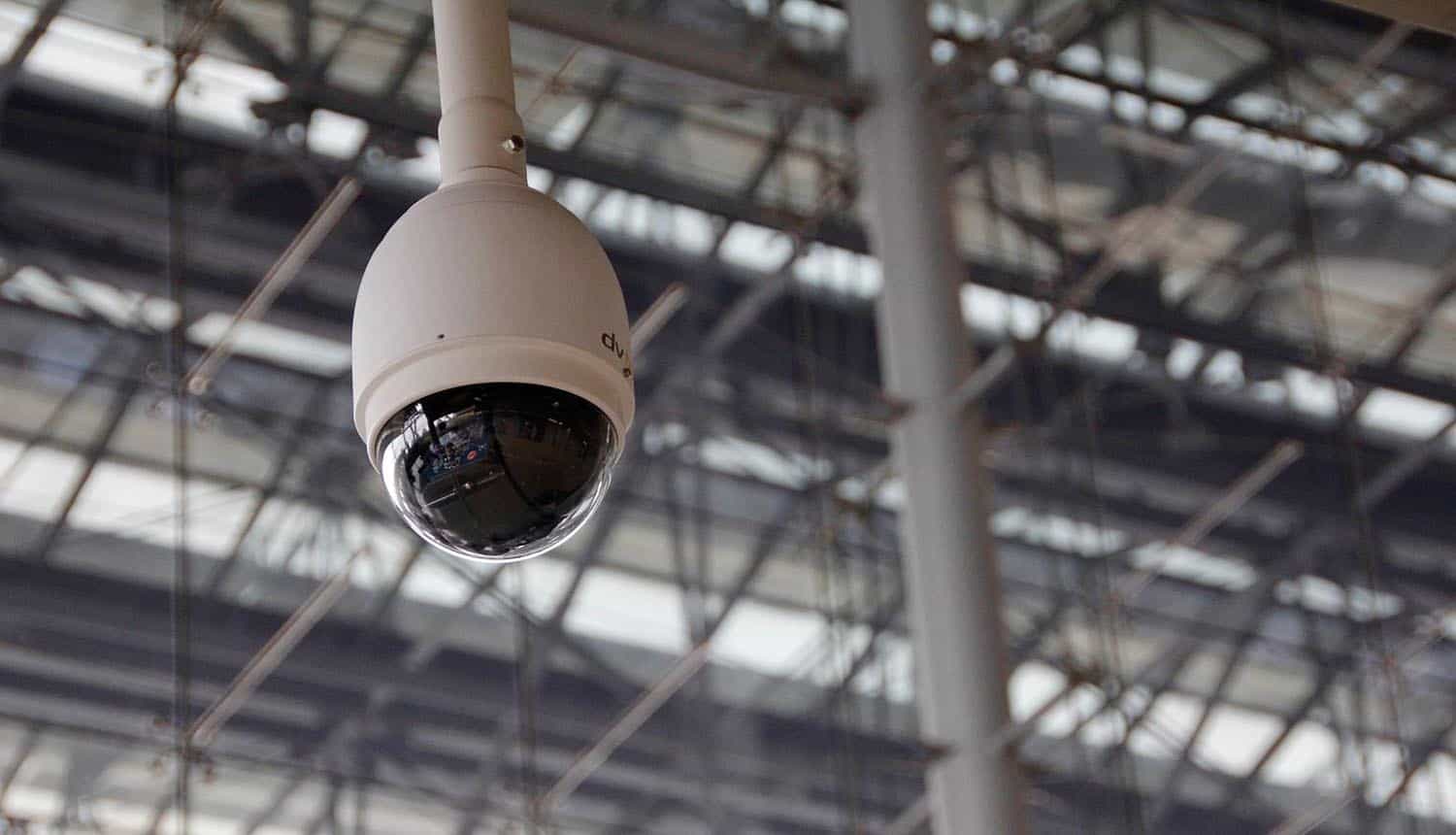

Artificial intelligence has found a useful place in the way cities monitor public areas. CCTV systems are paired with facial recognition, while smart sensors help to detect unusual activity in crowds. These technologies are useful for more ordinary reasons like managing traffic flow or helping officials respond quickly to emergencies. In other instances, they can be used to prevent certain crimes before they happen. It’s easy to see why supporters view this technology as valuable. Still, the inclusion of AI in public monitoring has sparked some heated debates over personal privacy. As a result, there have been discussions on what the best methods are to protect both public security and individual rights.
AI’s Application Beyond the City Streets
AI-driven monitoring isn’t only found in public transport hubs or streets. It’s also being used in various sectors. In fact, it’s not uncommon to find AI being used in finance, retail, and even entertainment. One example is in healthcare, where AI systems are being used to monitor patient vitals in real time. When irregularities are found, these AI systems alert medical staff before a critical emergency happens.
Many online casinos also use AI to identify suspicious betting patterns, improve payout efficiency, and detect fraud. Players often look for guides that explain which casinos pay out the fastest. In most of these resources, AI is quoted as being instrumental in making sure payouts are secure and legitimate. These are only some areas where consumer-focused services and safety-focused services showcase AI’s versatility while maintaining transparency and data ethics.
Striking a Balance Between Public Safety and Privacy Rights
Let’s be frank: there’s always going to be a trade-off with AI surveillance. Yes, it allows for faster intervention when something goes wrong. Yet, the process of providing this intervention comes with collecting and storing detailed information about people’s movements and behaviors. Such data can then be mishandled or abused if strong safeguards aren’t put in place.
Many skeptics worry that these systems could change from safety measures to constant tracking of everyday life. Still, those in favor of the technology believe that clear rules, regular oversight, and transparent operations help in preserving privacy while still empowering the technology to play its role in maintaining public safety.
The Scale and Risk of Data Collection
These systems run on huge amounts of information, whether it’s high-resolution camera footage or detailed movement logs. While this data can help identify threats quickly, it also creates a tempting target for cyberattacks. A single security breach could expose sensitive details about thousands of people.
Another concern is how long this information is kept and who can access it. Storing data indefinitely increases the chance of it being misused later, so strict limits on retention and careful handling are essential to reducing the risks.
Algorithmic Bias and Unequal Treatment
One of the biggest issues in AI surveillance is bias in the algorithms themselves. If a system is trained on flawed or incomplete data, it can misidentify certain groups more often than others. For example, studies have shown that some facial recognition tools make more mistakes when scanning faces of people from specific racial backgrounds. In public safety, these errors can lead to wrongful suspicion or arrest. The only way to reduce this risk is through better training data, ongoing performance checks, and independent audits that keep the technology accountable.
Why Transparency Matters
People are far more likely to accept AI monitoring when they know how it works and what it records. Keeping the details secret breeds mistrust, even if the intentions are good. Public agencies and private companies should be open about how they use AI, what data is collected, and how it is stored or shared. This could include publishing reports, releasing audit results, or offering online tools that let citizens see what’s being recorded. Openness helps build trust, which is necessary if these technologies are to gain long-term acceptance.
Updating Laws for Modern Surveillance
Many privacy laws were written before AI surveillance was possible, leaving gaps that current technology can exploit. Policymakers need to set boundaries that define what is allowed, how long data can be kept, and how people can challenge incorrect results. This also means ensuring there are checks and balances, such as independent review boards and public reporting requirements. Since information often crosses borders, cooperation between countries will be important to ensure that safeguards work globally, not just locally.
The Danger of Expanding Use Without Limits
Once surveillance systems are in place, it’s tempting to use them for more than their original purpose. Cameras set up to watch traffic could later be used to monitor political rallies, or crowd analysis software designed for emergencies could be turned toward protest surveillance. This “mission creep” can quietly change the purpose of these tools without public consent. Strong legal limits and active oversight are necessary to keep AI monitoring from being repurposed in ways that threaten basic freedoms.
Including Communities in Decisions
When people are part of the conversation, the results tend to better reflect their needs and values. Local communities can offer important feedback about how AI surveillance might affect daily life and where it might cross the line. Public forums, citizen advisory panels, and open consultations allow residents to voice concerns and suggest alternatives. This shared decision-making not only leads to fairer policies but also increases public trust, since people can see that their opinions influence how these systems are designed and used.
Building AI That Protects as Well as Watches
AI surveillance does not have to be a one-way tool that only benefits authorities. By designing it with privacy protections from the start, ensuring algorithms are tested for fairness, and keeping the process transparent, these systems can support safety without overstepping. If handled with care, AI can be part of making public spaces safer without sacrificing the rights that keep society free.
