
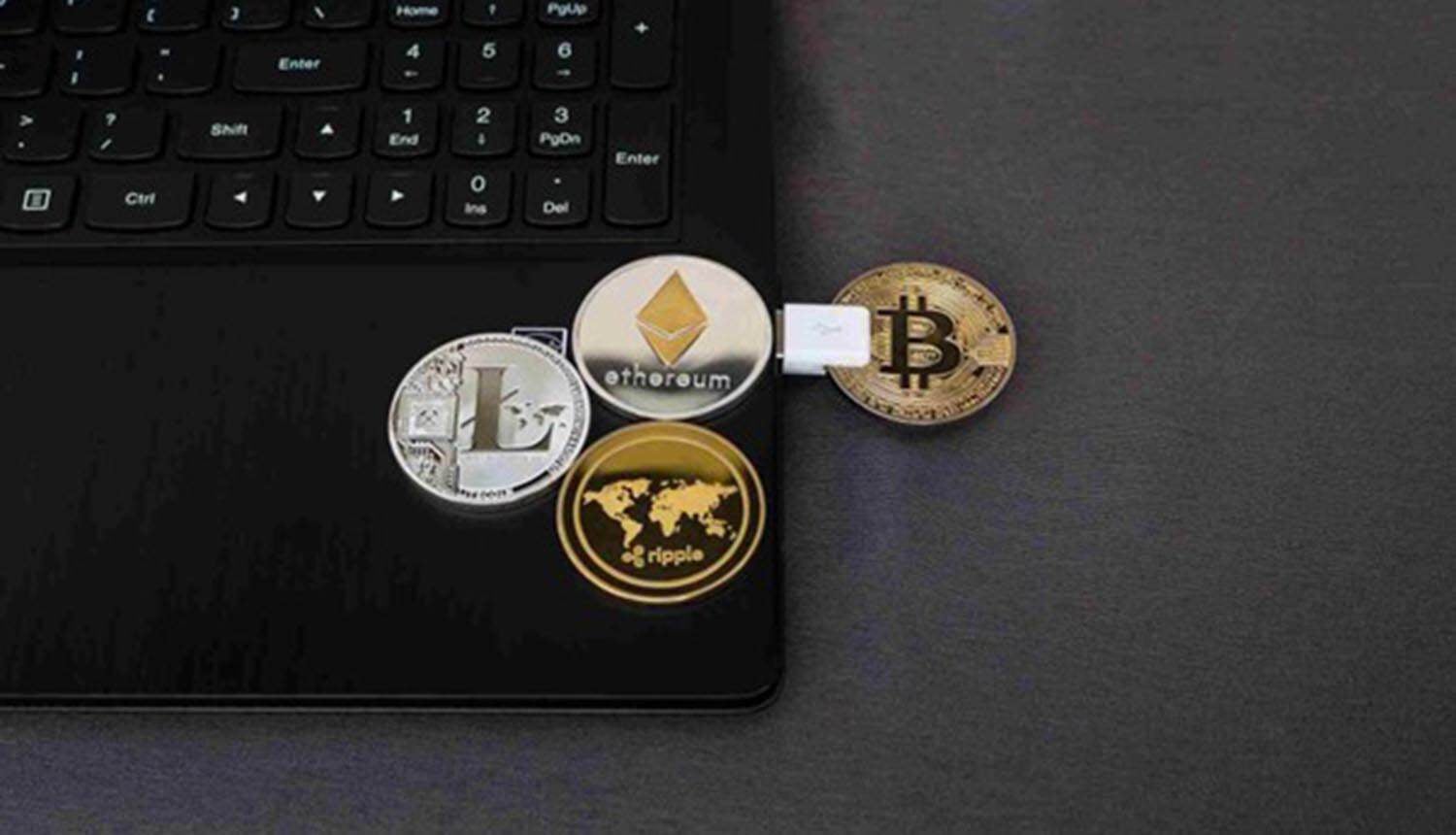

Multiple users fell victim to a coordinated phishing attack in January 2026 that targeted a major crypto exchange and drained over $40 million in assets within hours. The attackers did not have to break any encryption, which is often difficult to do, but simply tricked users with fake emails that looked identical to legitimate platform notifications. Incidents like this are why digital asset security has become the single most important concern for online investors in 2026.
How to Choose a Secure Trading Platform
The first decision an investor makes is which platform to use. This choice determines the level of security that protects every trade and every dollar in the account. Platforms like TradingView provide traders with the analytical tools they need and also maintain strong security protocols to protect them from fraudulent activity.
A secure platform should offer two-factor authentication at minimum, encrypted data transmission and segregated client funds. This is why governments are implementing landmark laws, like the U.S. GENIUS Act and the EU’s DORA, to make digital operations resilient and compliant with global standards.
Investors should ensure their chosen platforms have strong security certifications and comply with standard regulatory frameworks before they open an account.
How Investors Protect Their Digital Assets
Digital asset security is a major focus in 2026 due to the ever-evolving threats online investors face and the rapid developments to combat them. CompTIA estimates that global cybercrime will cost $10.5 trillion annually; as a result, defenders are evolving their tools and strategies. Here is why investors are choosing advanced trading technologies to protect their digital assets in 2026.
Strong Encryption
Encryption has developed beyond single private keys to multi-party cryptography (MPC), post-quantum cryptography (PQC), and zero-trust architecture (ZTA). MPC is the current institutional standard that eliminates points of failure using a simple logic. In MPC, the security key is split into encrypted “shards” and distributed across independent servers.
ZTA is also widely used in the financial trading industry. Based on the “never trust, always verify” mantra, investors can set up zero-trust security that requires a fresh evaluation for every transaction. This could be biometrics, OTPs, transaction passwords, etc. ZTA considers contextual signals like geolocation and behavioral patterns (e.g., transaction size and speed).
Strategic Custody and Hard-Coded Compliance
Tiered storage is a time-tested security strategy that investors use to secure their assets. With the increased adoption of digital assets, investors now rely on hybrid storage. Hybrid storage involves cold storage for the bulk of their assets and warm storage for trading capital. In addition, many brokers now offer instant settlement, 24/7 clearing, and frictionless cross-border settlements.
These have improved security as investors no longer have to move funds from one external account to another just to trade. Once deposited, funds are secured by industry-standard safety-first algorithms.
Many digital wallets and trading platforms now use hard-coded compliance rules embedded in smart contracts. This technology blocks transfers to suspicious destinations, including those to sanctioned or non-AML/KYC-compliant wallets.
AI-Powered Security Agents
Trading platforms now rely on AI-powered agents for real-time security audits. This advanced technology uses machine learning to identify and track patterns, enabling the system to detect anomalies. This could range from deepfakes to behaviors that don’t match the digital footprint. For example, AI agents can flag transactions that exceed the usual range for an investor, especially when initiated outside their usual hours.
AI agents do all of that in real time, ensuring 24/7 security for digital assets. They also conduct compliance verification to ensure that AML/KYC protocols are adhered to at every stage. In advanced setups, security teams deploy AI for vulnerability tests. This helps secure investors from mass attacks and social engineering attacks that bypass traditional 2FA.
Smart Contracts
Smart contracts have become the industry standard for blockchain-based activities due to their self-executing nature, which enables robust security controls. With smart contracts, investors can define when and how money enters or leaves their accounts without further manual inputs. This is common in the crypto market, but is now extending to forex trading. Leading institutions like JPMorgan Chase, HSBC, SWIFT, and Citigroup are exploring blockchain-based settlement systems.
Algorithmic Guardrails
Trading platforms have adopted algorithmic guardrails, deploying tools that protect funds from unauthorized withdrawals even if primary credentials are compromised. This granular-level lock comes on when suspicious activity spikes. The trader’s broker now acts as a sentient guardian that understands patterns and provides security beyond passwords.
Other guardrails are the liquidation protection and automatic rebalancing. Algorithms perform real-time analysis and calculations to automatically adjust leverage and prevent cascading liquidations when volatility spikes. With automatic rebalancing, investors protect their portfolios from over-concentration in risky assets during high-volatility events.
Security Never Ends
Active investors learn quickly that security is a never-ending journey. From regular security appraisals to software updates, there are no one-time setups in digital security. Investors must audit their current security stack against new standards to meet new threats head-on.
