
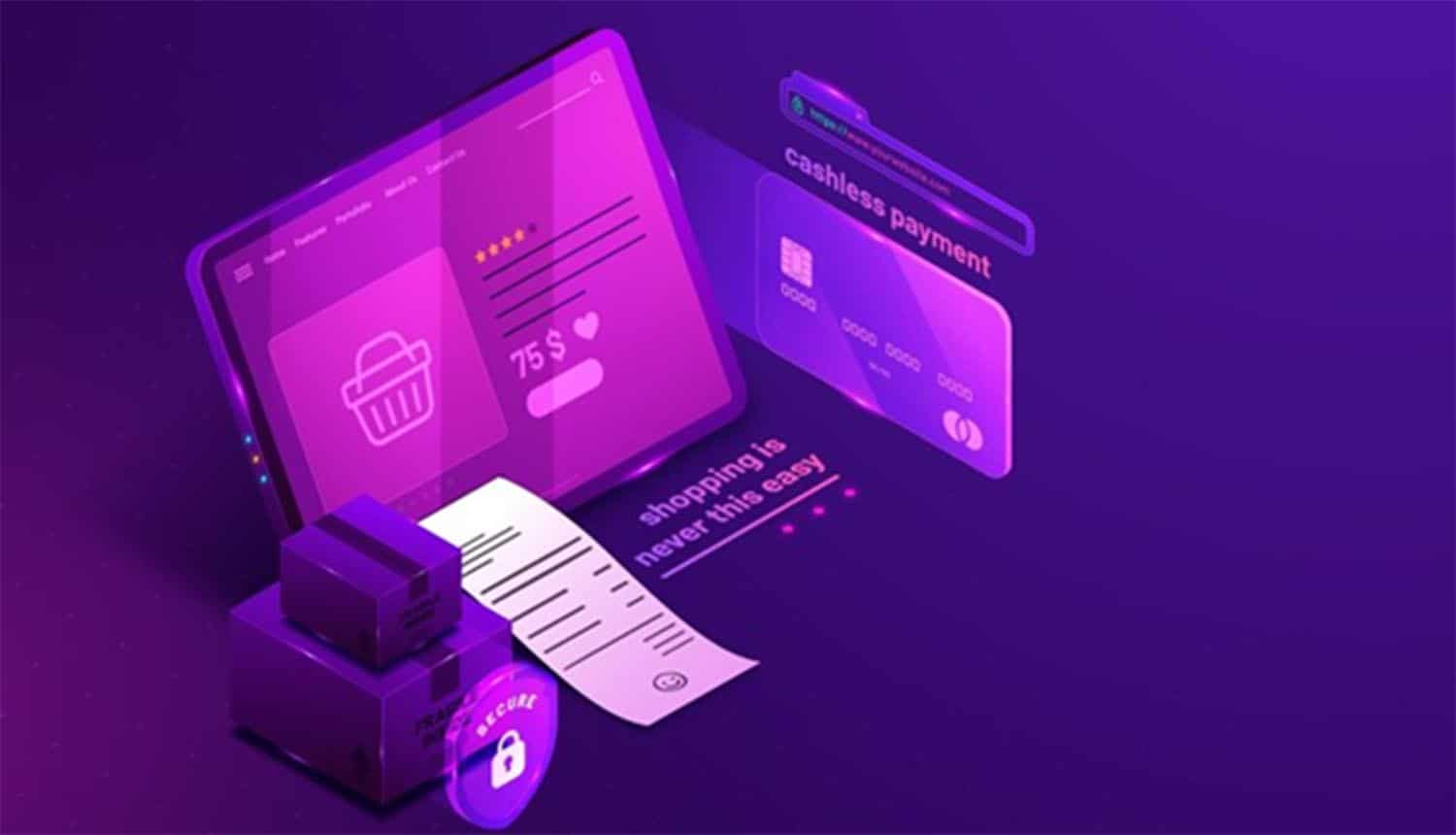

Payment gateways are necessary for every online company, regardless of size, that accepts electronic payments. The “virtual” counterpart of a real credit and debit card reader is called a payment gateway. To complete the payment lifecycle, it transmits the data from the point of entry—a terminal, website, or mobile device—to the payment processor.
Payment gateways reduce risk and safeguard your company in light of the persistent increase in fraud by encrypting transactions, confirming addresses or other sensitive data, and examining velocity trends.
With the correct payment gateway, you can streamline vendor consolidation, reporting, and reconciliation.
Payment Gateways: What Are They?
Digital technologies called payment gateways are used by retailers to take contactless payments, such as those made with debit and credit cards. To put it simply, a payment gateway is a kind of unique encryption that protects private information—such as bank card numbers—as it moves from the client to the merchant.
Subsequently, the acquiring bank and the merchant’s bank get the required data via this transaction gateway (or other financial institution that works with the merchant to offer bank card processing services).
In response to bank card authorization, a digital payment gateway makes sure that the funds are transmitted to the merchant account. A per-transaction commission and unique monthly fees are often associated with this kind of service.
To make all this work, businesses turn to payment gateway integration company for help, which quickly completes all the work.
Software Payment Gateway Examples
Payment gateways come in a variety of varieties. Here are a few instances:
- Platform-based payment gateways. A merchant using this kind of software may make sales directly from its server.
- Hosted payment gateways. Using a gateway located on someone else’s server is an alternative to the platform-based software. Customers who click on a payment button under this framework will be sent to a different website where they may submit their payment information. They are taken back to the merchant’s website after this operation is finished.
- Local bank system. Buyers are sent to the payment gateway’s website, just as with the hosted payment gateway. They are taken back to the seller’s website after making their payment. The redirection is accompanied by notification data.
What Makes a Payment Gateway Useful?
By 2029, the market is predicted to have grown to a projected value of US$6,568.00 billion, with revenue estimated to expand at a compound annual growth rate (CAGR) of 9.50%. Businesses that do not adapt risk falling behind their rivals and missing out on prospective consumers and income due to their preference for digital transactions.
Payment gateways provide transaction security, enabling you to maintain PCI compliance. Any company handling cardholder data must adhere to PCI Data Security Standards. The ideal approach to handle this for your online business is to use a gateway. To keep the cardholder’s data safe and secure, the gateway encrypts it.
Payment gateways provide a speedy checkout process for your consumers as well. A customer’s experience may be harmed by excessive processes, such as requiring the creation of an account in order to check out. They may be less inclined to complete their purchase and to want to shop at your business in the future as a result. Payment gateways, however, do not impede the checkout procedure.
Instead, they make it simple and safe to check out by enabling you to take payments instantly and encrypting the data.
How Should You Pick an Online Payment Gateway?
Even if there are many different payment service providers on the market, selecting the best payment gateway is a difficult undertaking. Making the best decision may be aided by taking into account the following factors:
Coverage
Do you need global integration or only locally? Select a payment service provider with wide coverage based on your company’s size and future growth goals.
Safety
Select a third-party payment gateway supplier that complies with the most stringent security requirements. Make careful to inquire about the compliance of the security elements offered by the company you have selected.
Suitability for Your Online Store
Certain systems, like WooCommerce, Shopify, and others, may be coupled with other e-commerce platforms or plugins. Find out which gateway works best with the design of your online store.
Spending Plan
Payment options come in a broad range of prices. While some companies just charge a fixed price for each transaction, others also charge setup and administrative costs. Chargebacks might potentially incur further costs.
Methods of Payment
Various payment methods may be supported by various suppliers. Along with a variety of different payment methods, the majority of them also take card and bank payments. Verify that the payment options your customers find most convenient are supported by the supplier you have selected.
Examples of Payment Gateways
The most popular payment gateway service providers are listed below:
PayPal
Due to its excellent customer reputation and variety of gateway choices, PayPal is often used as a redirect payment gateway.
With PayPal’s Payflow gateway, users may choose between a free checkout payment gateway hosted by PayPal and a paid monthly service that offers more checkout customization options.
Stripe
Popular payment gateway company Stripe specializes in platform-based payments, SaaS, non-profits, and mobile e-commerce. Stripe can manage businesses with high transaction volumes as well.
Apple Pay
Apple’s payment gateway solution enables retailers to process payments using Touch ID and Face ID, with an eye toward a mobile payment framework. Customers who want to keep an electronic wallet to handle their payments are the major topic of this article. Retailers may accept Apple Pay purchases via several additional payment channels, similar to PayPal.
Authorize.net
Authorize.net, one of the first payment gateways, has over 400,000 users and is accessible in over 33 countries.
Retailers may now take PayPal, Apple Pay, and the majority of major credit cards thanks to Authorize.net, which enables the processing of payments across a broad range of processors and platforms.
Conclusion
Payment gateways let you collect payments more quickly, easily, and securely while streamlining the online payment process for your company. A payment gateway is what you need if you wish to improve the technique you are currently utilizing or are thinking about accepting payments online.
