
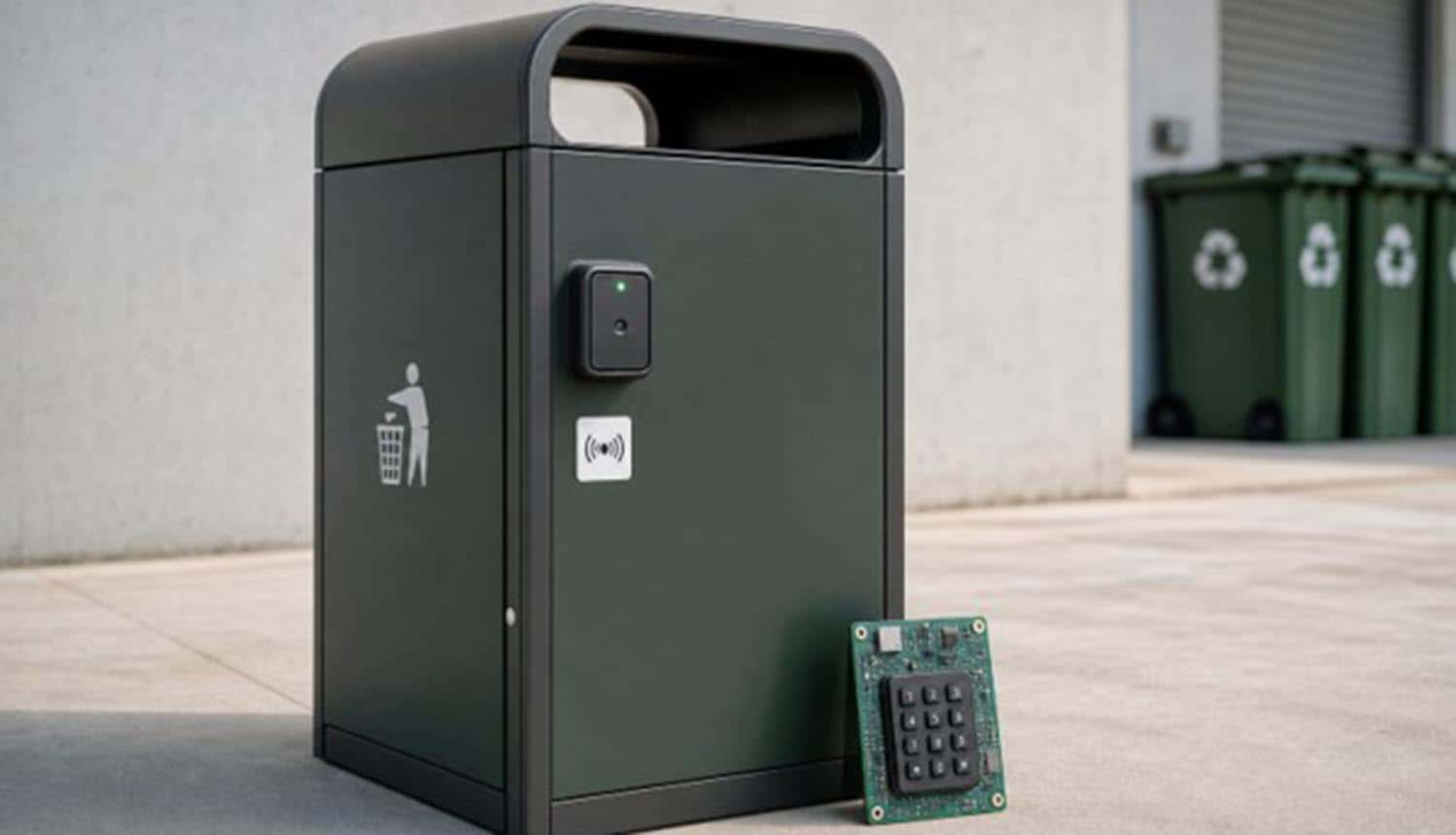

Automated waste management systems are transforming how organizations handle waste, yet this efficiency comes with growing privacy risks. Data-driven waste collection and sorting increasingly rely on sensors and real-time analytics, raising concerns about personal and business information exposure. As automation becomes the norm, it is crucial to understand the privacy implications built into these advanced systems.
The rise of data-driven operations in waste management is reshaping expectations for both efficiency and privacy. JWR Inc plays a part in this landscape, where automated sorting, route optimization, and smart compactors are generating detailed data trails. These systems, while streamlining logistics, also collect information about individuals and services that has direct implications for privacy regulators, operators, and end users. Understanding these risks has become increasingly relevant for readers navigating the intersection of technology, compliance, and personal data.
Transforming waste management with data and automation
Automated waste management systems use sensors, RFID tags, and internet-enabled devices to optimize collection, sorting, and compaction processes. These technologies enable more efficient routes and predict capacity needs, reducing operational costs for contractors and municipalities.
Smart compactors and sorting machinery also allow remote monitoring, providing real-time feedback to waste operators. This shift accelerates adoption as stakeholders recognize the cost savings and improved recycling rates.
Types of data and their journey throughout systems
Modern automated waste management systems collect household and business identifiers, service addresses, container location data, pickup times, contamination photos, and access logs. This dataset can reveal user routines and business activity patterns when aggregated over time.
Data often flows between multiple actors, including contractors, municipalities, and technology providers. With such sharing, access rights and data responsibilities can become blurred, especially in larger integrated deployments where transparency is sometimes lacking.
Anticipating privacy risks and regulatory concerns
Privacy challenges in automated waste management systems result from the potential for profiling and inference based on behavioral patterns in waste disposal. Expanded data gathering can lead to over-collection and unintended uses well beyond original billing or logistics needs. In mixed public-private setups, unclear notices and varying transparency practices complicate user understanding of data usage.
On the security front, IoT device exposures and weak authentication mechanisms introduce further risk to privacy. Ransomware and unauthorized access can disrupt critical sanitation operations, and privacy challenges in automated waste management systems persist as attackers increasingly target operational data sources.
Pathways to robust data and privacy governance
Effective privacy governance in automated waste management begins with clear data minimization policies, well-defined access controls, and routine data protection impact assessments. Role-based access, encryption, thorough audit trails, and secure device management all contribute to minimizing unnecessary data exposure.
Contractual requirements for all subcontractors and processors, as well as readiness for incident response, support compliance with privacy obligations. Monitoring KPIs for privacy and security ensures periodic reassessment of controls as system complexity and automation scale.
