
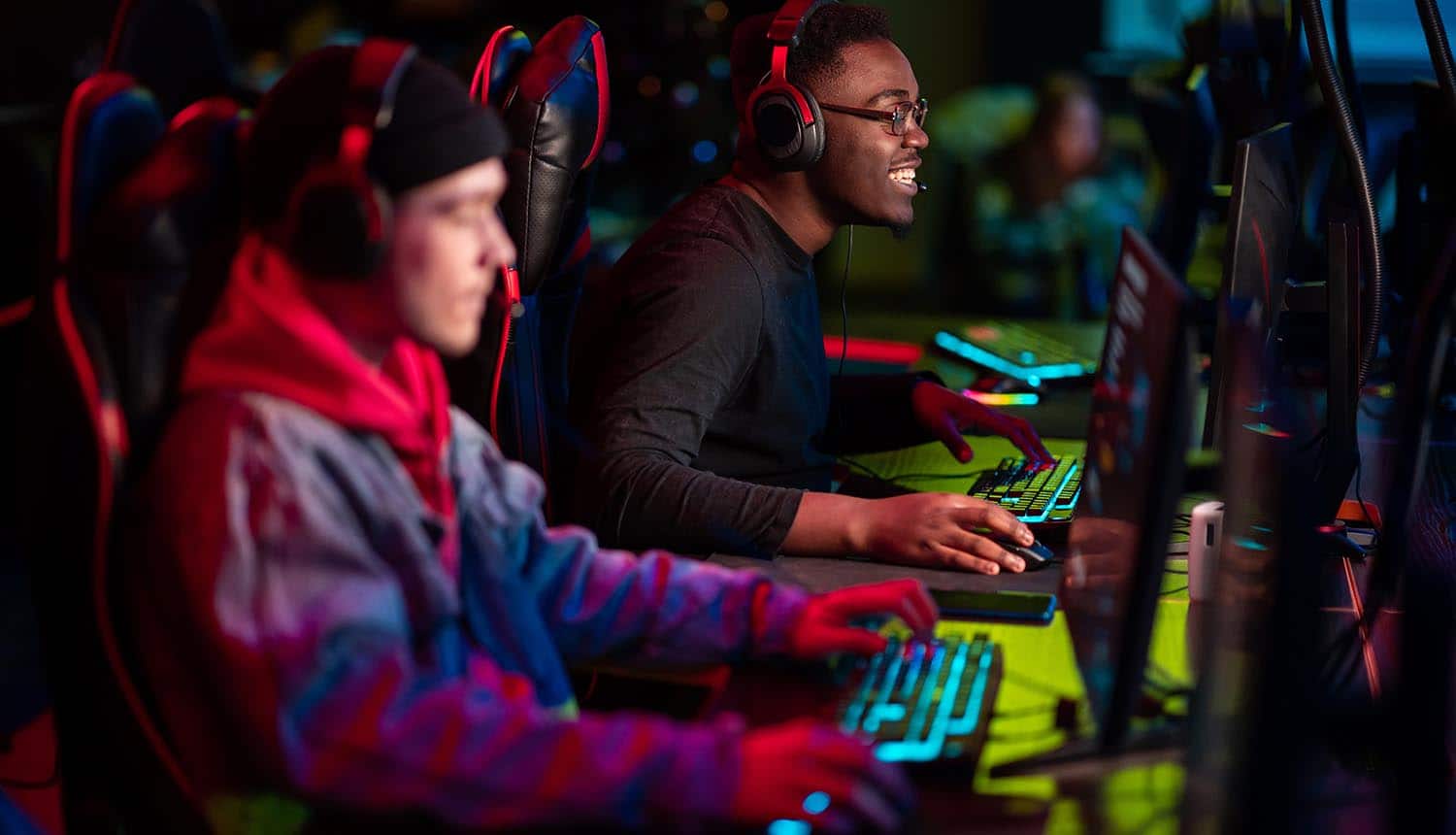

Something significant is happening at the edges of alternative festival culture. Gaming lounges, esports viewing stages, and retro arcade zones are appearing alongside traditional concert stages at events that would have once been exclusively music-focused. This isn’t a passing trend — it reflects a deeper shift in how organisers understand what their audiences want from a live cultural experience.
The convergence isn’t accidental. Alternative music fans and gaming communities have overlapped for decades, sharing aesthetic sensibilities, fandoms, and a taste for subculture. What’s changed recently is that festival programmers and digital platform developers have both started treating that overlap as a structural opportunity rather than an incidental detail.
How game soundtracks crossed into live stages
The flow of influence runs both directions. While festivals absorb gaming aesthetics, gaming platforms have been quietly becoming music festivals in their own right. Fortnite Festival, launched in December 2023 and built by Harmonix — the studio behind Rock Band and Guitar Hero — turned the world’s most-played battle royale into a persistent music platform where artists curate seasons, drop exclusive tracks, and build out themed visual worlds for millions of players simultaneously.
That same festivalisation logic has spread across other gaming categories. In iGaming and online poker sites, sounds play a vital role in attracting users to claim bonuses and other incentives. Fact-paced mobile games hardly go without enticing and amusing sounds and music bits, to emphasize the gameplay. The immersion of players through a combination of experiences borrowed from live events and core game logic is a fast track to high conversion and player loyalty.
Fortnite’s approach makes the parallel explicit. When Los Tucanes de Tijuana’s classic “La Chona” was featured in Fortnite Festival, it underscored how game-based festival modes are now functioning as genuine launchpads for music discovery — pulling legacy catalog tracks into contexts where millions encounter them fresh.
Digital leisure finds its place at festivals
Beyond gaming specifically, the broader category of digital leisure is finding credible space on festival programmes. Poker tournaments, speedrunning exhibitions, and competitive tabletop gaming have all appeared at hybrid events, positioned not as novelty sideshows but as legitimate entertainment tracks with their own audiences and production values.
The Bar Poker Open Championship, scheduled for Las Vegas in June 2026, illustrates how even traditional card-game culture has absorbed festival logic. According to the official Bar Poker Open event page, the series expects around 1,000 players from across the world, with total prize pools exceeding $1,000,000 and a dedicated player party — framing a week-long competitive event as a social pilgrimage rather than a pure tournament.
Why hybrid programming is reshaping festival identity
For alternative festival organisers, the appeal of hybrid programming goes beyond filling daytime slots. Gaming culture brings with it dedicated, passionate communities that travel for shared experiences — exactly the demographic that alternative festivals have always courted. Adding esports stages or game-focused programming doesn’t dilute a festival’s identity; it extends the same community logic into adjacent spaces.
Stage design is becoming the most visible expression of this merger. Firms that once built exclusively for touring acts are now designing environments where esports stage aesthetics and concert production are deliberately blended — reactive screens, synchronised lighting, and multi-point audio systems that work equally well for a headline band or a competitive gaming final. The result is a live event language that neither pure music fans nor pure gaming fans find alien.
What’s emerging, slowly but clearly, is a new template for what a large-scale alternative cultural event can look like. Music remains the emotional core, but the surrounding programming increasingly treats gaming, digital leisure, and interactive culture as equal contributors to the overall experience — not bolt-ons, but genuine components of a richer weekend.
