

Introduction:
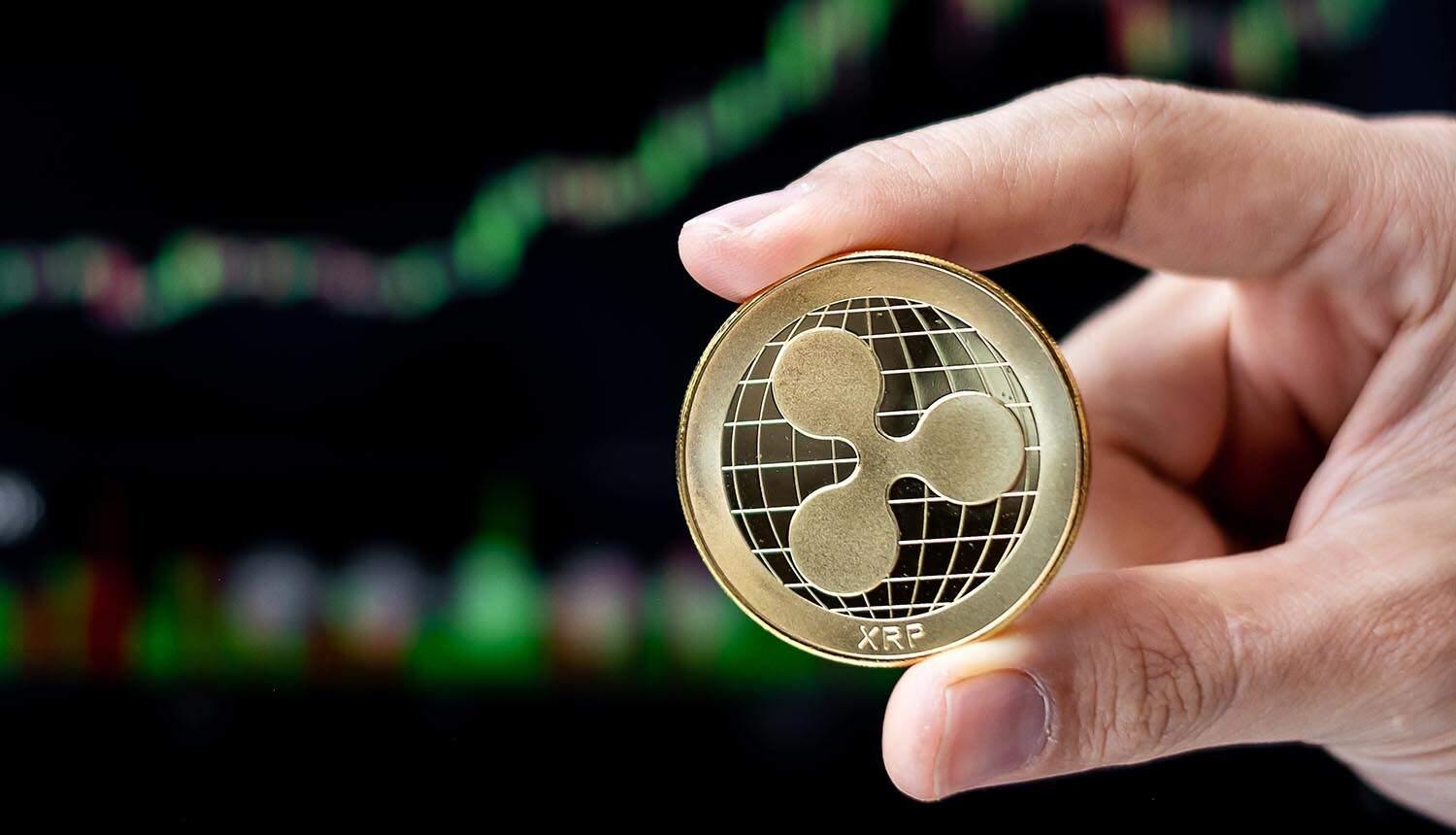
Cryptocurrencies have gained widespread attention in recent years, with various options available to investors and traders. One such cryptocurrency that has gained significant attention is XRP, the digital currency developed by Ripple. XRP is known for its unique features, such as its fast transaction times and low fees, which make it a popular choice among financial institutions and individual investors alike. In this comprehensive guide, we will delve into the world of XRP and provide a detailed understanding of this cryptocurrency. If you are interested in Bitcoin trading, you may consider using a reliable trading platform like bitcoin profit.
The Birth of XRP:
Ripple, the San Francisco-based technology company, launched XRP in 2012 as a digital currency that could facilitate fast and cost-effective cross-border transactions. Unlike traditional cryptocurrencies like Bitcoin and Ethereum, which rely on blockchain technology, XRP operates on a distributed ledger technology called the XRP Ledger. The XRP Ledger is an open-source decentralized ledger that allows for quick transaction settlements and is designed to be scalable and secure.
Key Features of XRP:
XRP boasts several key features that set it apart from other cryptocurrencies. One of its main features is its transaction speed, with XRP transactions typically settling in just a few seconds, compared to other cryptocurrencies that can take several minutes or even hours. This makes XRP ideal for use in international money transfers and other time-sensitive transactions. Additionally, XRP has low transaction fees, making it an attractive option for individuals and businesses looking to reduce transaction costs.
Another notable feature of XRP is its consensus algorithm. While most cryptocurrencies rely on proof-of-work (PoW) or proof-of-stake (PoS) algorithms for transaction validation, XRP uses a unique consensus algorithm called the Ripple Protocol Consensus Algorithm (RPCA). This algorithm allows for quick transaction confirmation times and high transaction throughput, making XRP a preferred choice for financial institutions and payment service providers.
Use Cases of XRP:
XRP has found several use cases within the financial industry. One of its primary use cases is facilitating cross-border payments. XRP’s fast transaction times and low fees make it an ideal option for financial institutions and payment service providers looking to streamline their international payment processes and reduce costs. Ripple has also partnered with various banks and financial institutions around the world to facilitate cross-border payments using XRP.
In addition to cross-border payments, XRP has also been utilized in other areas of finance. Ripple has developed products like xRapid, which uses XRP as a bridge currency to facilitate real-time liquidity for financial institutions. This allows institutions to avoid holding multiple currencies in different accounts, reducing costs and improving efficiency. XRP has also been utilized in micropayments, remittances, and other applications within the financial industry.
Regulatory Landscape:
The regulatory landscape around XRP has been a topic of discussion and debate. In December 2020, the U.S. Securities and Exchange Commission (SEC) filed a lawsuit against Ripple, alleging that XRP was an unregistered security and that Ripple had conducted an unregistered securities offering. This legal action brought uncertainty to the status of XRP, as well as its potential impact on the cryptocurrency market.
As of the writing of this article, the lawsuit is still ongoing, and the regulatory status of XRP remains uncertain. It’s worth noting that Ripple has denied the SEC’s allegations and is actively defending itself in court. However, the outcome of the lawsuit could potentially have significant implications for XRP and other cryptocurrencies, as it may set a precedent for how cryptocurrencies are regulated in the future.
Investment Considerations:
As with any investment, there are several factors to consider when it comes to XRP. One of the main considerations is its price volatility. Like other cryptocurrencies, XRP has experienced significant price fluctuations, with rapid price changes being a common occurrence. Investors should be prepared for the possibility of losing value due to price volatility and should carefully assess their risk tolerance before investing in XRP or any other cryptocurrency.
Another consideration is the regulatory landscape surrounding XRP. As mentioned earlier, the ongoing lawsuit between Ripple and the SEC has created uncertainty around the regulatory status of XRP. If the SEC’s allegations are proven true, it could result in significant consequences for XRP, including potential fines, penalties, or changes in its legal status. Investors should stay updated on the progress of the lawsuit and be aware of the potential regulatory risks associated with XRP.
It’s also important to consider the overall market conditions and trends when investing in XRP. Cryptocurrency markets can be highly volatile, and factors such as market demand, investor sentiment, and technological advancements can impact the price and performance of XRP. Conducting thorough research, analyzing market trends, and consulting with financial professionals can help investors make informed decisions when it comes to investing in XRP or any other cryptocurrency.
Conclusion:
XRP, Ripple’s digital currency, has gained significant attention in the cryptocurrency world due to its unique features, such as fast transaction times and low fees. Its application in cross-border payments and other areas of finance has made it a preferred choice for financial institutions and payment service providers. However, the regulatory landscape surrounding XRP remains uncertain due to the ongoing lawsuit between Ripple and the SEC, and investors should carefully consider the regulatory risks associated with XRP before investing. Additionally, like any investment, XRP is subject to price volatility and market trends, and investors should conduct thorough research and assess their risk tolerance before investing in XRP or any other cryptocurrency.
In conclusion, understanding XRP requires a comprehensive grasp of its key features, use cases, regulatory landscape, and investment considerations. As the cryptocurrency market continues to evolve, staying informed and making informed investment decisions is crucial for those interested in XRP or any other digital currency. As with any investment, it’s important to conduct thorough research, seek professional advice, and carefully consider the risks before investing in XRP or any other cryptocurrency. By doing so, investors can gain a better understanding of XRP and make informed decisions in the ever-changing world of cryptocurrencies. So, whether you’re a financial institution, a seasoned investor, or just curious about the world of cryptocurrencies, understanding XRP is essential for navigating the exciting and dynamic world of Ripple’s digital currency. So, dive in, do your research, and stay informed to make the best decision for your investment goals.
