
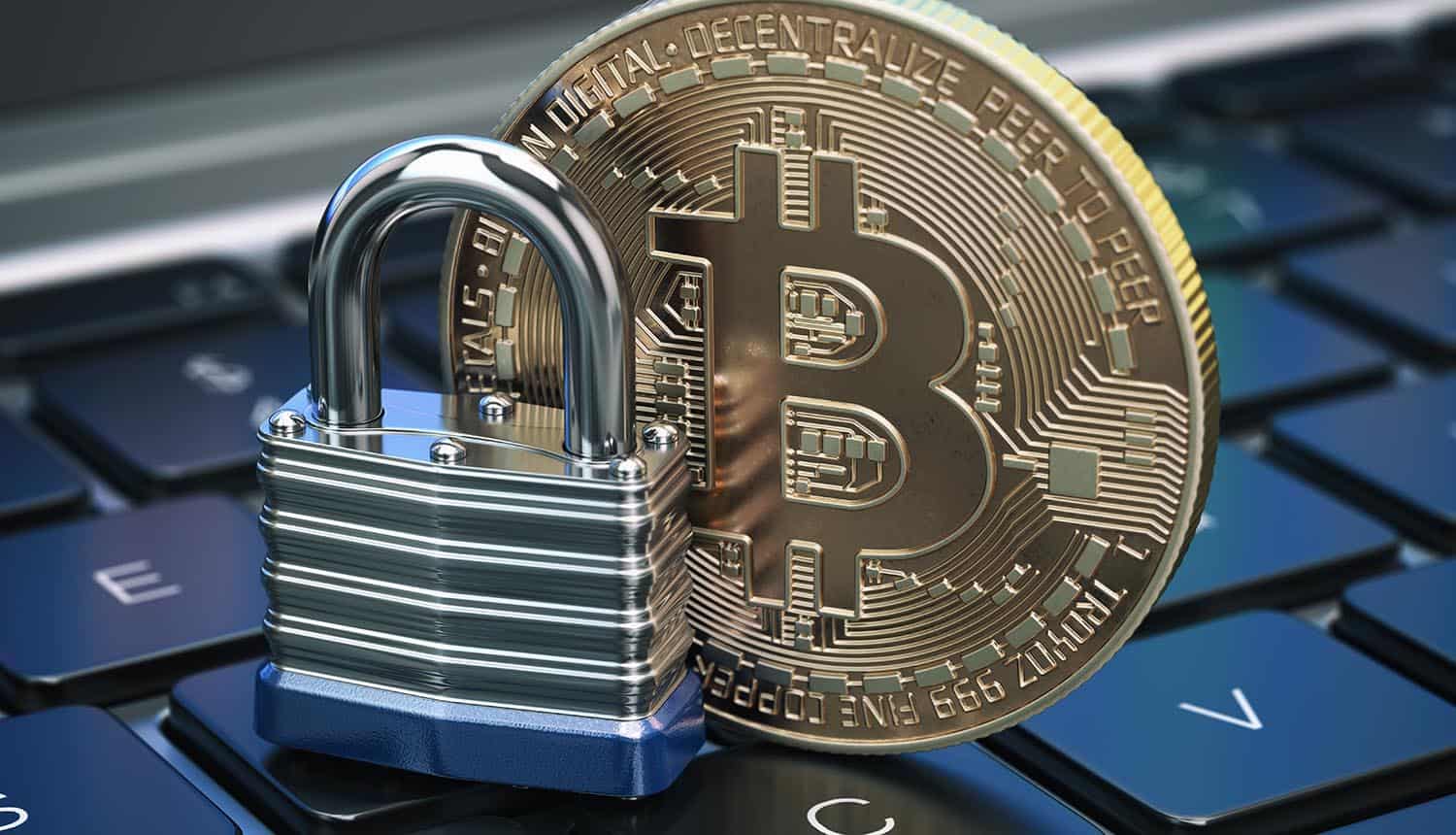

Venturing into the world of Bitcoin necessitates a deep understanding of wallet security. This article will unravel the concept of virtual vaults, their role in safeguarding Bitcoins, and explore future trends in Bitcoin wallet security. When venturing into Bitcoin wallet security, it’s worth considering automated trading bots like Bit IQ, offering a safeguarded approach to Bitcoin trading.
Understanding Virtual Vaults for Bitcoin
In the realm of Bitcoin and cryptocurrency, a virtual vault isn’t a physical entity, but rather, a specialized software designed to securely store and manage the access to one’s cryptocurrency. Virtual vaults, otherwise known as Bitcoin wallets, function as a digital safe where users can securely store their Bitcoin.
Akin to our traditional wallets, these virtual vaults or Bitcoin wallets store a set of keys instead of the physical currency. These keys include a pair of cryptographic keys: the public key, which corresponds to the wallet address on the Bitcoin network where others can send Bitcoins, and the private key, a secret piece of information used to sign transactions and access the Bitcoins associated with the specific wallet. In the case of Bitcoin, the private key is the element that needs utmost protection, as anyone in possession of this can access and spend the Bitcoins stored in the wallet.
One of the ways Virtual Vaults ensure security is by employing two-factor authentication (2FA), where two different methods are used to verify a user’s proclaimed identity. It could be a combination of something the user knows (like a password), something the user has (like a physical device), or something the user has (biometric data). This 2FA process is integral in providing an added layer of security, making it harder for potential cybercriminals to breach the wallet.
Moreover, some Bitcoin wallets also use multi-signature (multisig) functionality, which requires more than one key to authorize a Bitcoin transaction. It is like the equivalent of a bank vault that needs multiple keys to open – even if one key is compromised, the Bitcoin remains secure unless the second key is also compromised.
Therefore, understanding how virtual vaults operate is critical to maximize the benefits they offer. They provide a robust line of defense against potential security threats and serve as an essential tool in the secure storage and transaction of Bitcoins. The advantage of using virtual vaults is that they enable users to have total control over their Bitcoin security, something that traditional banking and fiat money cannot offer. With a virtual vault, the security and accessibility of one’s Bitcoin are at their fingertips.
Future Trends in Bitcoin Wallet Security: The Role of Virtual Vaults
In an era of increasingly advanced technology, the world of Bitcoin wallet security is rapidly evolving. As we examine the current trends, it’s clear that the future holds significant potential for further improvements, innovations, and enhanced safety measures, with virtual vaults playing a central role.
The emphasis on security within the cryptocurrency market continues to grow, with constant advancements aimed at safeguarding the digital assets of users. One trend that has started to gain traction is the utilization of biometric authentication methods in securing virtual vaults. Biometric data, such as fingerprints or facial recognition, is extremely difficult to replicate, hence increasing the security of Bitcoin wallets.
Another significant trend is the growing integration of blockchain technology for added security measures. Blockchain’s decentralized nature ensures transparency and eliminates the risk of a single point of failure, making it an attractive tool for improving Bitcoin wallet security.
Amid these trends, the role of virtual vaults in the future of Bitcoin wallet security is undeniable. Virtual vaults will continue to evolve, offering more sophisticated and secure methods for storing and transacting Bitcoin. For instance, we can expect developments in the realms of quantum-resistant algorithms to prevent potential threats from quantum computing. Similarly, innovations are likely to emerge in the multi-signature technology sphere, making transactions even more secure by requiring the approval of multiple parties.
Furthermore, as the understanding and use of cryptocurrencies become more widespread, so does the demand for secure, user-friendly wallets. Therefore, the user interface and experience with virtual vaults will become an increasingly important factor. We can anticipate seeing virtual vaults that not only prioritize robust security but are also intuitive and easy for everyday users to navigate.
The future trends in Bitcoin wallet security demonstrate a dynamic and rapidly evolving field, with an increasingly significant emphasis on user-friendly security measures. Virtual vaults, or Bitcoin wallets, will remain at the forefront of this evolution, ensuring that users can safely store, manage, and transact their Bitcoins with confidence.
Conclusion
As we venture into the future of Bitcoin, the importance of robust wallet security becomes evident. Virtual vaults, serving as digital safeguards, will continue to evolve, providing sophisticated, user-friendly, and secure methods for managing and transacting Bitcoins.
