

Web application development is one of the most dynamic fields, and it has experienced steady growth in recent years. Due to the emergence of new frameworks, libraries, and tools, the process of creating web apps today is fundamentally different from the one several years ago. In this guide, you will be introduced to the fundamental principles of developing web applications today.
What Is a Web App?
A web application, commonly referred to as a web app, is an application software that is hosted on a web server and is deployed on the internet through a web browser. In the early days of the web, the site mainly consisted of web pages that were linked with hyperlinks. However, with the help of languages and frameworks such as PHP, Ruby on Rails, and JavaScript, people were able to start creating dynamic Web applications.
Some of the main characteristics of modern web apps are:
- Dynamic content – content updates without needing to reload the page
- Interactive UI – ability to drag, drop, and select elements on the page
- Network connectivity – transfer data, authenticate users, connect APIs
- Responsive design – adapt UI across mobile, tablet, and desktop
- Client-side logic – certain logic runs in the browser rather than the server
If you need a software solution of this type, you can turn to private developers or a custom web application development company in Atlanta or another city. Further on, we will explore the various components of web application development today.
Front-end Web Development
The front end is the client side of web apps that a user can directly access and use inside his or her web browser. It encompasses the design and appearance, the movement and the action that is provided to the user of the site or application.
Some key aspects of modern front-end web development include:
HTML5 & CSS3
HTML5 is the latest evolution of the standard HTML markup language used to structure web page content. It provides clearer document structure, video/audio capabilities, graphics APIs and mobile support.
CSS3 builds on previous versions and allows flexible styling and layout options like animations, transitions and responsive design. Frameworks like Bootstrap also make CSS development easier.
JavaScript Frameworks
JavaScript powers the interactivity and dynamic capabilities of modern web apps. Popular frameworks like React, Angular and Vue are now commonly used for building web UIs. These promote a component-based architecture, data binding, routing, and simplify complex front-end logic.
Web Performance
Improving front-end performance involves optimizing CSS/JS files, minimizing HTTP requests, server-side rendering and using CDNs to distribute assets globally. Performance tuning aims to improve user experience.
Testing & Automation
Test-driven development, unit testing and E2E testing help prevent bugs and are easier to implement today. Automation around building, testing, and deployment is also critical for web development teams.
Backend Web Development
The backend or server-side code is responsible for the core application logic and integration with various services like databases, APIs, machine learning etc.
Some aspects of modern backend web development:
Cloud Hosting
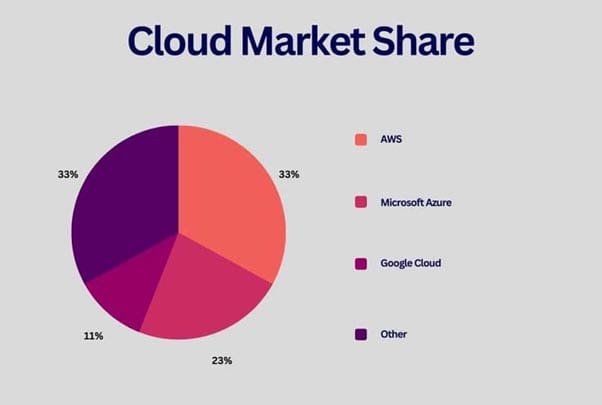
Today, most real-world web apps run on cloud platforms like AWS, Google Cloud or Azure rather than physical servers. Cloud platforms provide flexibility and scalability and manage services out of the box.
Databases
SQL and NoSQL databases provide mechanisms for storing and managing application data. Relational SQL databases like MySQL remain popular, along with NoSQL databases like MongoDB for unstructured or real-time data.
APIs
Application Programming Interfaces (API) allow cross-system integration. Most modern web apps consume 3rd party data/functionality via APIs like payment APIs, maps APIs, messaging APIs etc. APIs help apps leverage powerful capabilities without having to build from scratch.
Serverless Computing
Serverless computing abstracts servers, infrastructure and shifts focus to app code. This is achieved by using managed services like AWS Lambda, Google Cloud Functions etc. Serverless architectures can save time and cost substantially.
Containers & Microservices
Applications and their dependencies are bundled using technologies such as containers (Docker, etc. ). Microservices decompose monoliths into services that can be independently deployed based on function. Together, these enhance the deployment of big and complex web applications.
Full Stack Frameworks
Unlike other libraries and tools that developers have to combine, full-stack frameworks are a set of tools that allow creating web applications from scratch. Some popular options:
- MERN Stack: MongoDB, ExpressJS, ReactJS, NodeJS
- MEAN: MongoDB, ExpressJS, AngularJS, NodeJS
These JavaScript-based stacks let you utilise JavaScript on front end as well as backend. They offer a diverse array of platforms for mobile and web application development.
Agile Methodology
Most web development today follows agile software development principles:
- Iterative development
- Continuous integration & delivery
- Cross-functional teams
- Daily standups, sprint retrospectives
- User stories, sprints
This provides the speed and flexibility needed for modern web and mobile app environments.
DevOps Culture
The DevOps methodology bridges the gap between development and operations teams to optimize building, testing, releasing and monitoring apps:
- Infrastructure-as-code
- Continuous monitoring
- Automated deployments
- Improved collaboration
This enables web teams to ship updates faster and more reliably.
Web Development Skills
Here are some of the must-have skills for web developers today:
- HTML5, CSS3, JavaScript (ES6+)
- Frameworks like React, Angular, Vue
- Node.js, Express
- Cloud platforms such as AWS/Azure/GCP
- Git version control
- Agile, scrum methodologies
- Tools like Webpack, Docker, Kubernetes
Full stack developers have expertise across front end, backend and DevOps. Specialized roles also continue to exist.
The skills required are constantly evolving as new technologies emerge. Hence, constant learning is critical to succeed as a web developer.
Conclusion
- Modern web apps deliver complex, high-performance user experiences comparable to native mobile apps
- New languages, frameworks and methodologies enable faster and more scalable web development
- Cloud computing, containers, and serverless are reshaping infrastructure and operations
- Integrated full-stack JavaScript frameworks simplify full-stack development
- Automation, DevOps culture and agile processes help ship updates faster
The pace of innovation in web development shows no signs of slowing down. The next wave of technologies like WebAssembly, WebVR, and WebGL will unlock even more possibilities. By mastering both established and emerging tools in your tech stack, you can build the dynamic web apps of tomorrow.
