
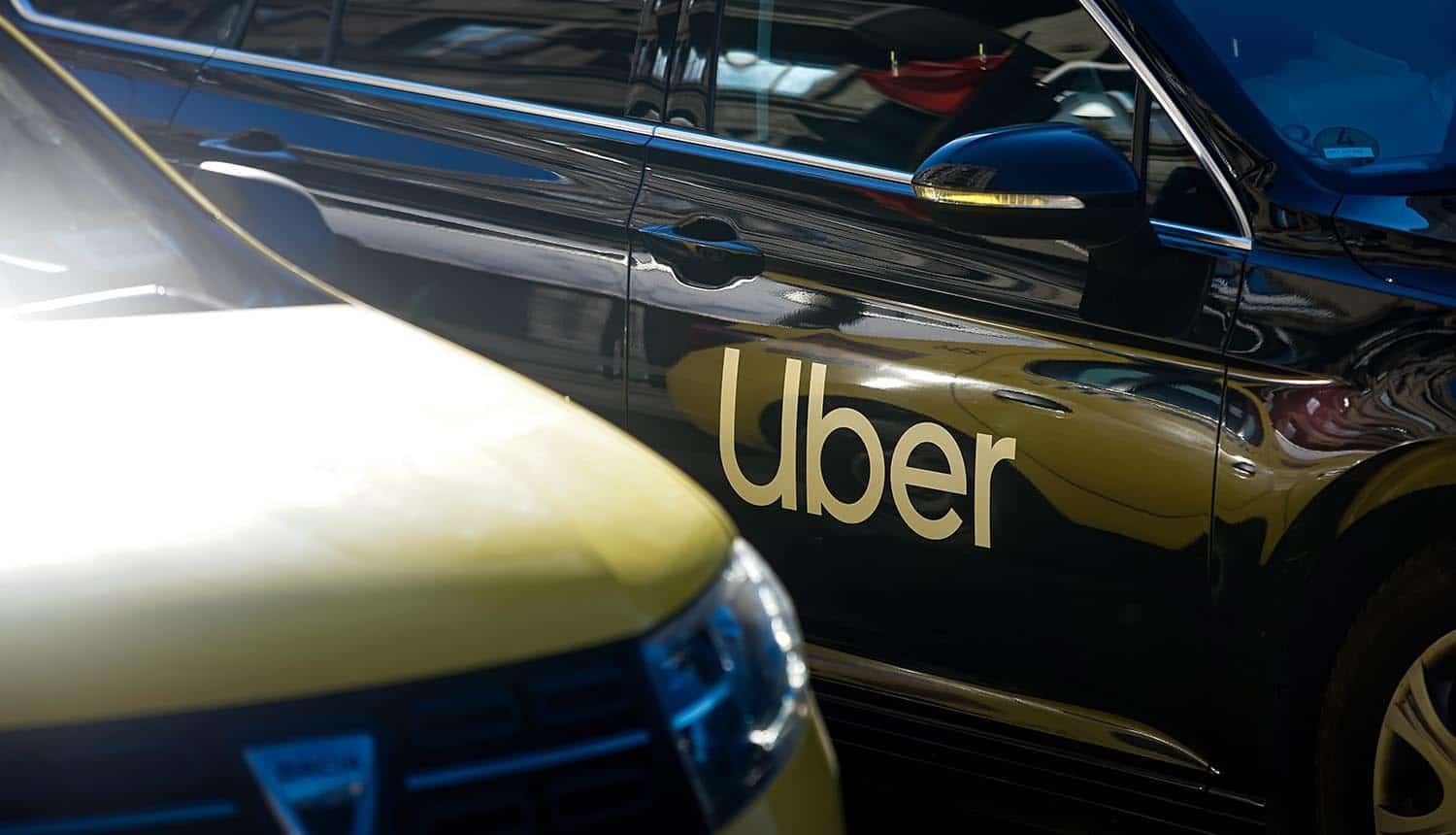

A data breach at American multinational transportation company Uber has affected hundreds of thousands of U.S. drivers after attackers breached a third-party AI infrastructure provider.
According to a data breach notification filed with the Maine Attorney General’s office, the attacker exploited the third party’s access to compromise 149,346 drivers’ personally identifiable information.
Fireworks AI learned of the data breach after detecting suspicious activity in its environment that exposed customer credentials and API keys on October 6, 2026, and notified Uber three days later.
“On October 9, 2026, a service provider notified Uber that an unauthorized third party had compromised the service provider’s internal credentials and used them to access Uber’s account with the service provider,” Uber stated.
The ride-hailing service launched an independent investigation and determined that the attacker had compromised the third-party service provider to access personal information.
Uber data breach affects nearly 150,000 drivers
The breach exposed personal information, including names, driver’s license numbers, dates of birth, and residential addresses, for 149,346 drivers across multiple states, including California, Illinois, Massachusetts, Rhode Island, and South Carolina.
Upon learning of the data breach, Uber terminated the third-party service provider’s access to prevent further compromise. The ride-hailing service also believes the attacker has not misused the stolen information. However, Uber did not disclose the third-party service provider, potentially to prevent other attackers from targeting the company.
Nevertheless, media reports indicate that the data breach targeted AI infrastructure provider Fireworks AI, a company that enables users to build and scale artificial intelligence applications using open-source models. The attack was part of an LLMjacking mass exploitation campaign targeting frontier AI models. LLMjacking involves stealing and abusing customers’ API keys and credentials to access and use frontier AI models at the victim’s expense.
Other companies breached via Fireworks AI include Notion, an online productivity company, and Cursor, an AI coding startup. Fireworks AI also lists DoorDash, Shopify, Zillow, Microsoft, Vercel, HubSpot, Lovable, Unity, and Samsung as its customers. However, it remains unclear if the data breach affected those companies.
Meanwhile, Uber is offering free credit monitoring via TransUnion’s Scout to protect victims from fraud and identity theft. The company also advised them to monitor their credit reports and financial statements and report any suspicious activity.
“A driver’s license is one of the most useful documents a fraudster can get, because so many identity checks are built around it,” said Jason brown, Director of Customer Advisory Counter Fraud Lead, iCOUNTER. “Banks, lenders, phone carriers, rental car companies and retailers all ask for one when you open an account. With a license number, name, date of birth, and address, a criminal can open new accounts, pass basic identity verification, or combine real details with invented ones to build a synthetic identity that can go unnoticed for months.”
Uber data breaches
Uber has experienced data breaches in the past, including those targeting third-party service providers and its subsidiaries. In early August 2026, attackers targeted Uber Freight, a logistics and supply chain solutions company, and accessed personal information.
In December 2022, the ride-hailing service also leaked employees’ personal data after hackers breached IT asset management services provider Teqtivity via Amazon Web Services (AWS). The threat actor, identified as UberLeaks, published employee, device, technical, and corporate information on a dark web hacking forum. In September of the same year, the prolific cyber gang Lapsus$ compromised Uber via its third-party contractor EXT by exploiting MFA fatigue.
In October 2016, attackers also compromised Uber’s private GitHub repository using previously exposed credentials, obtained AWS access keys, and downloaded files containing personal information. The attack resulted in a $100,000 payout via the company’s bounty program.
