
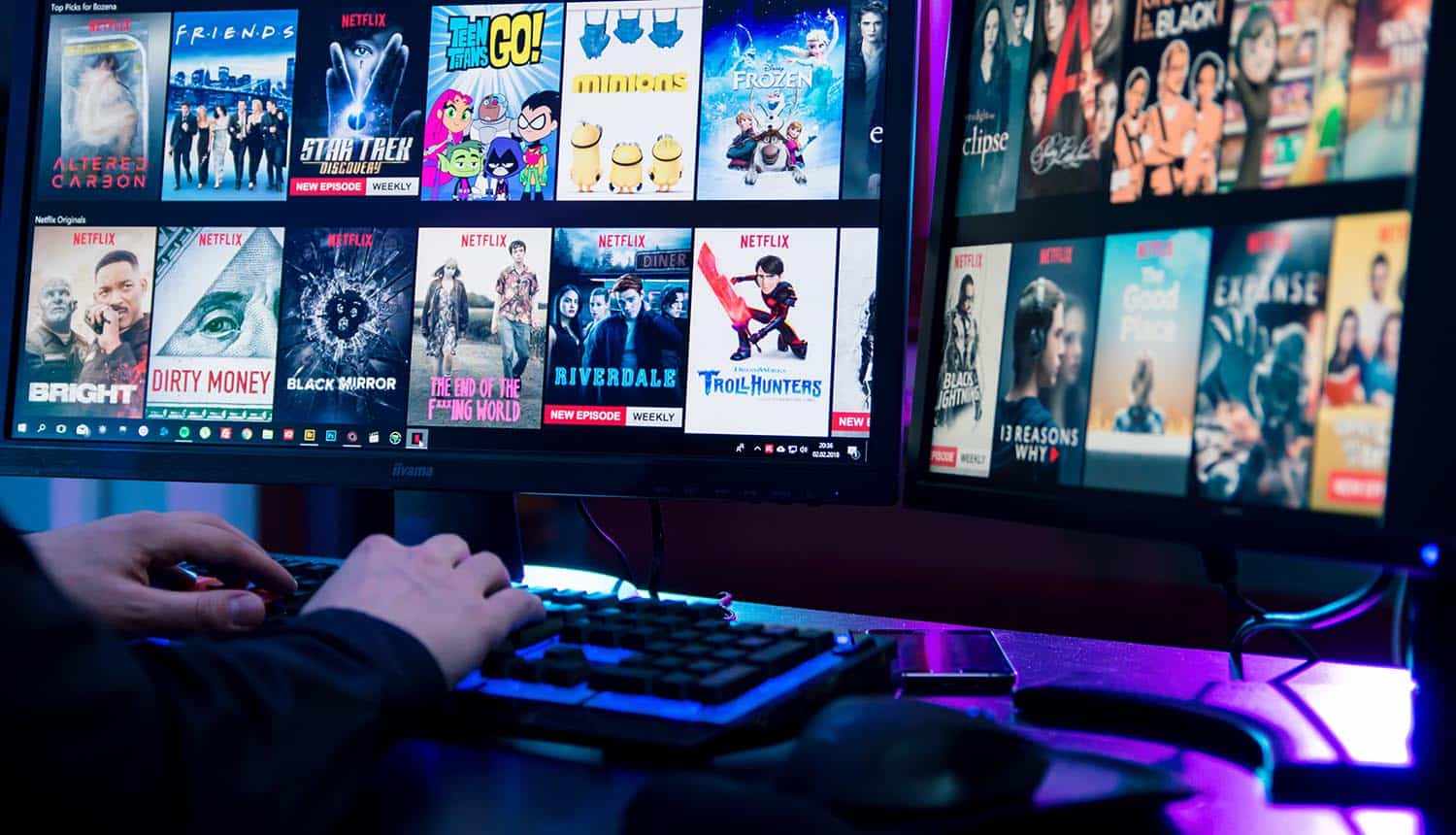

Over the past decade, streaming has become the dominant way people consume music and video. With a few taps on a screen, users can access massive libraries of content instantly. It feels seamless and convenient. Yet despite the rise of streaming services, downloadable media platforms continue to play a meaningful role in digital life.
Many people still search for tools like tubidy when looking for ways to download audio or video files. This ongoing interest highlights something important: streaming does not solve every need. Offline access, flexibility, and user control remain essential for millions of people worldwide.
Understanding why downloadable platforms continue to thrive helps us see the bigger picture of how digital habits are evolving.
The Practical Value of Offline Access
One of the clearest reasons download platforms remain relevant is simple: internet access is not always reliable. Even in urban areas with strong networks, signals can drop in subways, rural highways, airplanes, or crowded public spaces. In many regions around the world, stable high-speed internet is still limited or expensive.
Downloading media removes this uncertainty. When a song, podcast, or video is saved directly to a device, it becomes accessible anytime. A commuter can listen to music underground without interruptions. A student can review recorded lessons while traveling. A family on vacation can keep children entertained without worrying about data limits.
Offline access is not just about convenience. For some users, it is the only practical way to enjoy digital content consistently.
Data Costs and Bandwidth Limitations
Another important factor is cost. In many countries, mobile data is expensive relative to average income. Streaming high-quality video can quickly consume data allowances. Downloading files over a stable Wi-Fi connection for later use is often more economical.
Smaller file options, such as audio-only formats, can also help conserve storage space and bandwidth. Users who rely on entry-level smartphones or limited data plans benefit from having the option to choose lighter file sizes.
Platforms that offer straightforward downloading processes, such as tubidy, are often discussed in this context because they provide an alternative to constant streaming. The ability to download once and play repeatedly without additional data usage is a practical solution for many households.
Greater Control Over Personal Media
Streaming platforms operate on licensing agreements that can change without notice. A favorite song or video might be available one month and removed the next. This shifting availability can frustrate users who want stable access to specific content.
Downloading media gives users a greater sense of control. Once a file is saved, it does not depend on ongoing contracts or platform decisions. Users can organize files into folders, rename them, or transfer them between devices.
This level of ownership appeals to people who prefer managing their own digital libraries. It mirrors the older model of physical media collections, where people curated CDs or DVDs based on personal taste.
Supporting Education and Skill Development
Downloadable media platforms are not limited to entertainment. They also support education and personal growth. Audio lectures, language lessons, instructional videos, and motivational talks can all be downloaded and revisited multiple times.
This repeated access strengthens learning. For example, a language learner can replay pronunciation exercises without needing internet access. Someone studying for exams can review recorded lessons during short breaks throughout the day.
Offline educational content is particularly valuable in regions where internet access is inconsistent. Students can download materials when connectivity is available and continue studying later without disruption.
Accessibility Across Devices
Another reason downloadable platforms remain important is device flexibility. Not everyone owns high-end computers or smart TVs. In many parts of the world, smartphones are the primary or only digital device people use.
Download-based platforms are often optimized for mobile browsing. Users can search for content, choose a format, and store it directly on their phones. This simplicity lowers technical barriers and makes digital media more inclusive.
Even people who are not highly tech-savvy can usually follow a straightforward download process. That ease of use broadens access and reduces dependence on complex systems.
Cultural Exchange and Creative Freedom
The ability to download and store media has also influenced cultural exchange. Users can explore music, performances, and educational resources from different parts of the world. Independent creators can share their work beyond local audiences.
When people download content, they are more likely to engage with it deeply. They can replay songs, analyze videos, and share files within their communities. This deeper interaction strengthens cultural connections and encourages exploration beyond mainstream trends.
At the same time, it is important to approach downloads responsibly. Respecting copyright laws and supporting legitimate content distribution ensures that creators receive recognition and fair compensation for their work.
The Role of Digital Responsibility
As digital access expands, so does the need for awareness. Users must understand the importance of safe browsing practices, secure file downloads, and personal data protection. Downloading media should always be done carefully to avoid malicious software or privacy risks.
Ethical considerations also matter. While downloadable platforms offer convenience, users should ensure that the content they access is shared legally. Responsible usage helps maintain a sustainable digital ecosystem where creativity and innovation can continue to grow.
Complementing, Not Replacing, Streaming
It is important to note that downloading and streaming are not opposites. They serve different needs. Streaming works well for exploring new content quickly and accessing vast libraries on demand. Downloading is ideal for long-term access, offline reliability, and personal organization.
The continued interest around tubidy suggests that users still value having both options available. Digital consumption is not one-size-fits-all. Different situations require different solutions.
For example, someone might stream music at home on a stable Wi-Fi connection but rely on downloaded playlists during travel. A student may stream lectures initially but download key sessions for revision.
Looking Ahead
As technology advances, internet access will likely improve in many areas. However, the fundamental desire for flexibility and control will remain. Downloadable media platforms fulfill this need by giving users independence from constant connectivity.
The digital world continues to evolve, but certain practical realities stay the same. People want access to content on their own terms. They want to decide when, where, and how they engage with media.
In the end, the relevance of downloadable platforms lies in their ability to empower users. They provide reliability in uncertain network conditions, affordability in data-sensitive regions, and autonomy in managing personal media libraries.
Streaming may dominate headlines, but downloading still serves a meaningful purpose. And as long as users value offline access and personal control, downloadable media platforms will remain an important part of the digital landscape.
