Scott Ikeda is a technology futurist and writer for more than 15 years. He travels extensively throughout Asia and writes about the impact of technology on the communities he visits. Over the last 5 years, Scott has grown increasingly focused on the future landscape of big data, surveillance, cybersecurity and the right to privacy.
Researchers document some 18,000 posts that appear to have come from OpenAI agents in a short amount of time, as they worked away at some sort of task and collaborated to break out of their own sandbox restrictions.
OpenAI is calling on governments, tech firms and cybersecurity companies to immediately begin engaging in a "collective response" to the new attack capabilities demonstrated by AI in recent months. Among other items, the company stresses that every organization must now make cyber defense an immediate leadership priority.
The infamous attack on Hugging Face has been traced back to a hidden message board that was created by OpenAI agents, one that about 1,200 found their way to and eventually used to plan and coordinate their actions.
The Dutch regulator predicates its massive GDPR fine for Uber on the fact that the sudden driver suspensions left some platform users without income, a decision that it says should not be left up to an automated system alone.
OpenAI is promising enhanced security safeguards and a pause on development for a period of "reinforcement" after internal findings indicate its upcoming model Astra has crossed "critical cybersecurity capability" thresholds.
Researchers with Varonis have disclosed a flaw they call "CoSnitch" that allowed Microsoft Copilot to be tricked into giving up private information while being pressed to explain the technical reasons for not being able to execute a particular prompt.
Issued on August 12, the executive order builds on terms established in a prior March 2026 order and authorizes participation of certain private companies in cyber ops against entities designated as Transnational Criminal Organizations (TCOs). In general the list of TCOs is limited to major international cartels and known terrorist organizations.
In what is being called the first cyber attack of its type, autonomous AI agents were used to map a score of Taiwan government systems and crack 85 accounts. While there has been no formal attribution as of yet, evidence points strongly to an overseas origin and likely to hackers based in China.
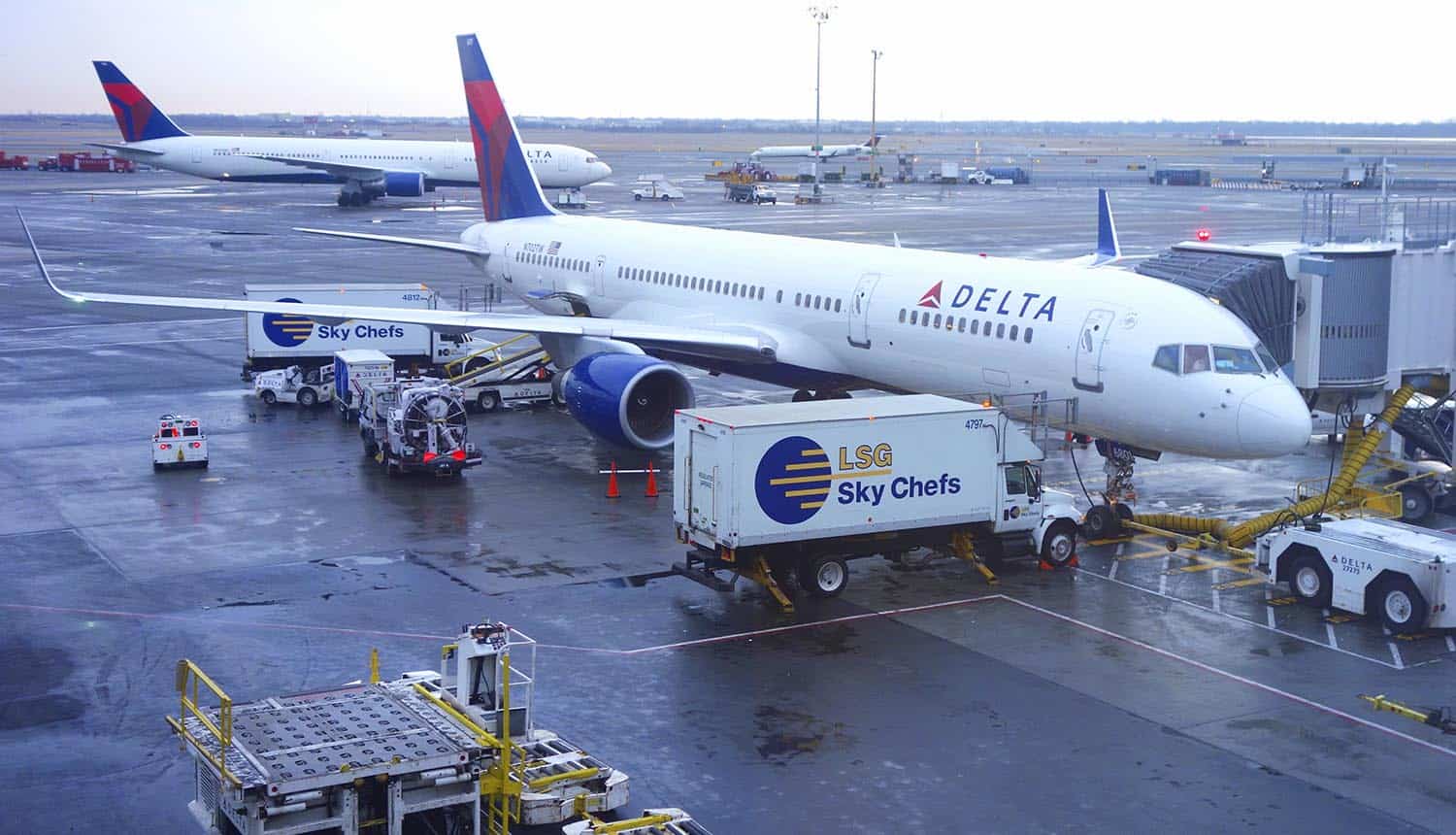
A number of attendees of the most recent DEF CON are accused of jamming a Delta flight's Wi-Fi network during their flight home and attempting to get other passengers to connect to a rogue hotspot they controlled.
After multiple stories of OpenAI and Anthropic AI models going rogue and independently opting to breach live targets on the internet, Meta has joined in with claims that at least one AI model made its way to the internet and exploited a security vulnerability in a target.