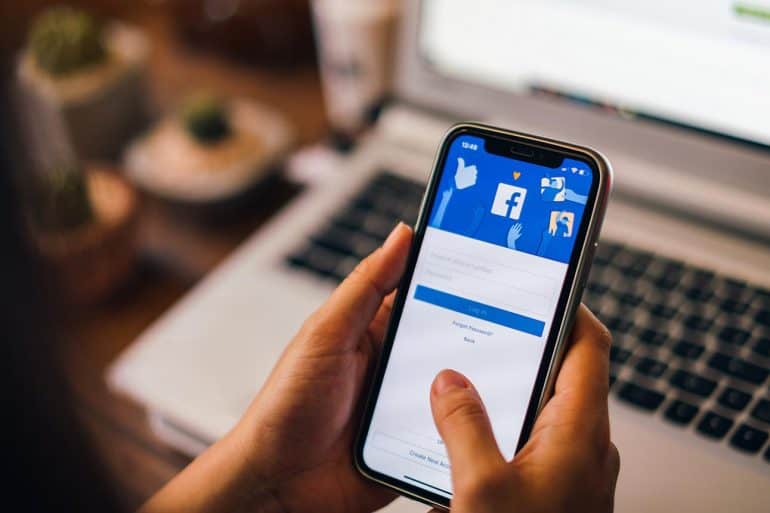
Facebook data breach comes hot on the heels of the Cambridge Analytica scandal, and resulted in 50 million compromised accounts. This is proving to be a tough year for Facebook.
Cyber Security
Cyber criminals, state-sponsored hackers and even the occasional disgruntled employee are constantly looking to gain unauthorized access for a variety of purposes: theft of money, cyber espionage, personal information for sale or for use in scams, and damage to critical infrastructure for just a few of the most common.
So how does an organization mitigate an entire world full of continual cyber attacks? Just as buildings have a number of necessary elements of physical security: access control, cameras, alarms and so on; there are similar key elements of cyber security that are absolutely vital for just about any modern business.
It starts with identifying and closing the most common doors that attackers use. For example, phishing attacks on employees are far and away the most common initial point of entry. The breach of even a low-level employee account can quickly turn into an escalation in access privileges and the ability to reach sensitive information. This is also true of smart devices, which are generally more poorly secured than computers and phones.
Several Bellingcat journalists’ ProtonMail accounts were targeted in a recent phishing attack linked to Russia. The targets were the reporters who broke the names of Russian operatives believed to be behind MH17 attack and Skripal poisoning.
Knowing the common manipulative tactics – exploiting every emotional hot button (anxiety, uncertainty, urgency) – used in phishing is the first step to understanding how to identify and deflect them; and it requires a repetitive process.
Companies that are downsizing, or still planning to, must have an insider threat program in place or run the risk of falling victim to a massive cyberattack that could cripple the business for months to come, ultimately making the cost reductions a worthless exercise.
In what is shaping up to be a major test case for the entire cyber insurance industry, Zurich Insurance is refusing to pay out a $100 million claim from Mondelez, saying that the ransomware attack was actually an act of “cyber war,” and therefore, is not covered by the policy.
419 million Facebook users are vulnerable to phishing attacks, SIM swaps and spam with their phone numbers exposed through a number of online databases found without password protection.
Infosys McCamish Systems has disclosed that the LockBit ransomware gang stole the personal information of 6 million people during the November 2023 data breach which affected companies including Bank of America and Fidelity Investments Life Insurance.
The Nov 2025 data breach at the American apparel giant Under Armour has leaked the personal information of over 72 million people following a ransomware attack.
Over 87 gigabytes of personal information is now being sold on the dark web as part of this password leak of 773 million email addresses and 21 million passwords, raising very important questions about personal data security online.
The Hive ransomware threat appears to be very much in retreat as the US Department of Justice recently announced the seizure of the group's decryption keys and infrastructure, including its public-facing website, by law enforcement operations.