
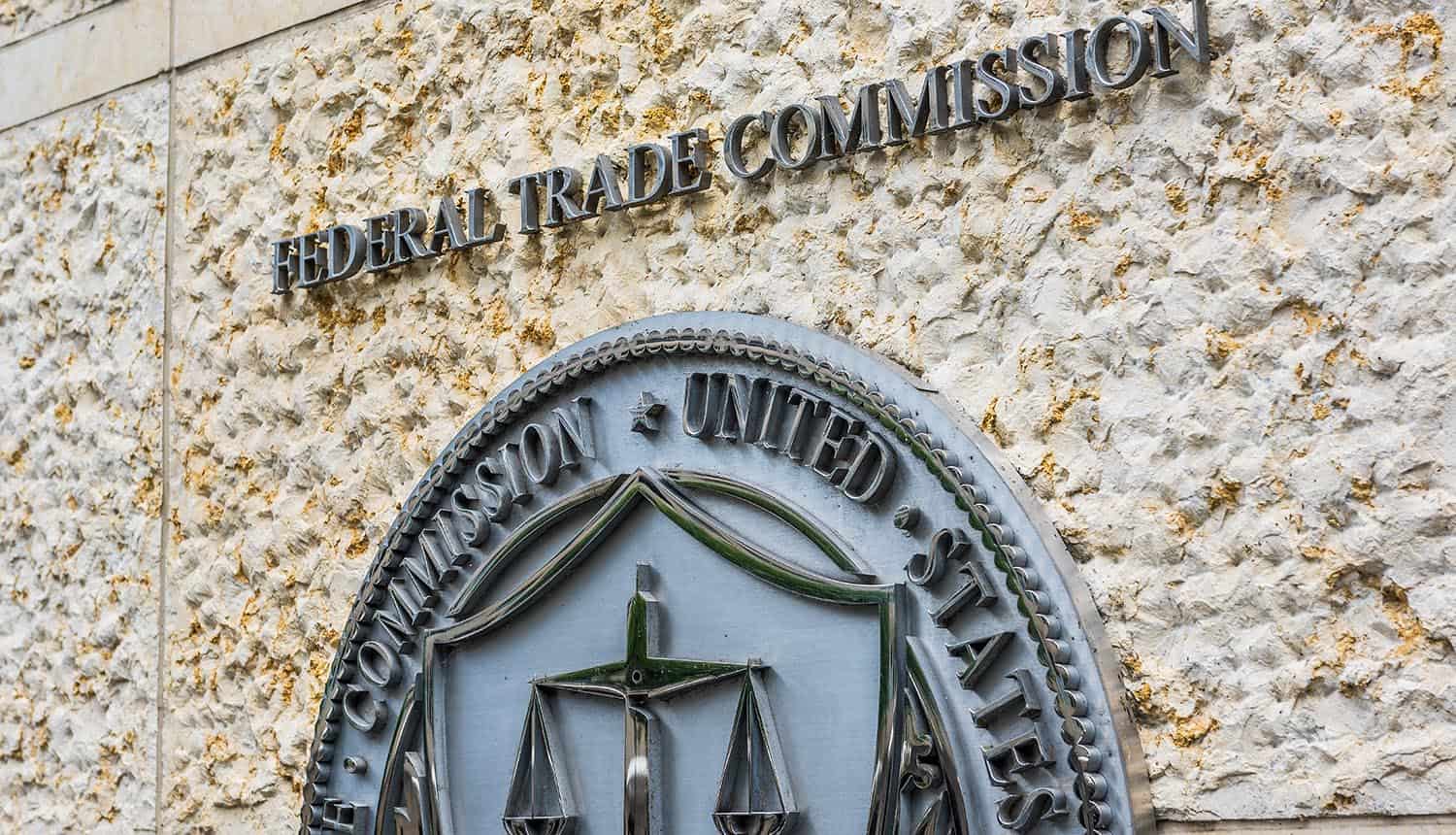

A series of moves by the Trump administration in the past week seems to signal sensitivity to public negative sentiment toward US-based frontier AI developers and their rogue “misaligned” models, tempering what had been its prior “full throttle” position in the name of out-competing China. Not the least of these moves is the escalation of an ongoing FTC investigation into the AI safety practices of leading developers, with Chairman Andrew Ferguson indicating the agency will make formal demands for internal information from these firms and require their leaders to testify about the potential dangers of their products.
This comes as Trump himself has indicated to the media that his administration may greenlight Department of Justice (DoJ) referrals for criminal investigation when rogue AI models threaten critical infrastructure companies, and there also seems to be a renewed focus on exploring the impact of chatbots on the mental health of underage users. However, a senior FTC official also went out of their way to tell media outlets that the agency is not yet ready to tell frontier developers to “stop” or “do anything.”
FTC investigation was quietly launched months ago, now escalating to civil investigative demands for AI developers
The FTC investigation was actually initiated prior to the July attack on Hugging Face that set off the current firestorm over AI safety, but to date had featured very little in the way of formal action. This will now escalate to “civil investigative demands” (CIDs) of frontier AI developers such as Anthropic and OpenAI, a type of subpoena that can be issued prior to a lawsuit or formal complaint being filed against any of these agencies. These subpoenas can be used to compel the companies to produce internal documents as well as have leadership and key figures appear for examination and oral testimony.
A senior FTC official, speaking to the media under condition of anonymity, indicated the administration intends to call numerous of the recent signatories of the White House accord on AI safety back for greater scrutiny with these subpoenas. That meeting took place on September 29 and was widely panned by critics for establishing “self-regulation” by leading AI industry figures under a voluntary set of “morally binding” principles. This was also the occasion at which Trump signed documents formally requiring that AI now be referred to as “super intelligence” in official White House communications.
While the administration has seemed to be almost defiant of public polling indicating strong distrust in the ability and willingness of AI developers to police themselves, this and other developments this week indicate there may be quiet acknowledgement that some course correction is needed at this point. The CIDs are expected to be launched sometime in October, pending hiring of new Office of Technology staff to handle the probe. Trump has also indicated in recent media interviews that misaligned models that threaten critical infrastructure could land their developers in a criminal DoJ investigation. The senior FTC official that spoke to the media echoed this, saying that there are “laws on the books” that “have to be followed.”
John Strand, Owner of Black Hills Information Security, sees this particular element as a move that is months late for AI safety needs but is nevertheless a step in the correct direction: “At this point, agents should absolutely be treated as tools. The people using these tools or testing them are the ones who should be held accountable, because you can’t hold AI accountable. You can’t put it in jail. You can’t fine it. There’s no way to impose negative repercussions on the AI itself for its actions. The people controlling it need to be held accountable.”
And Jacob Krell, Sr. Director: Secure AI Solutions & Cybersecurity at Suzu Labs, takes a deeper dive into what “laws already on the books” might imply in this context: “This FTC probe has two security implications, potential computer crime and a controls failure. If OpenAI or Anthropic agents accessed live systems without authorization, used credentials, or altered data, the Department of Justice should assess that conduct under the Computer Fraud and Abuse Act (CFAA). Section 4 of Executive Order 14409 directs the Attorney General to prioritize enforcement against people who use AI, including AI agents, to illegally access or damage computers or unlawfully access data. The FTC can also examine whether the companies made misleading AI safety or containment claims while giving agents network access and weak controls.”
Many details about AI safety probe remain unavailable to the public
There was no real word of the FTC investigation taking place until now, despite it having launched sometime in January or before. There is still relatively little public information available about its workings, other than the expected launch of the CIDs in the near future.
However, one other detail of note has slipped out: the FTC investigation will also target the Model Evaluation and Threat Research Center (METR), a third-party entity that has been commonly used by frontier developers for their own internal investigations into their assorted AI safety issues. METR has been criticized for its perceived ties to the tech firms it is supposed to be independently evaluating and the opaque nature of its funding, and for being a central participant in the “effective altruism” movement also championed by leading industry figures such as Anthropic CEO Dario Amodei (who was once roommates with a METR founder). Some critics also contend that METR has been central in pushing “AI doom” narratives to the public, in indirect service to getting favorable regulation passed for tech industry giants that would effectively serve to stifle upstart competition.
But as the unnamed senior FTC official noted, none of this involves direct regulatory action as of yet; it all remains exploratory, even as new models are launched and the pace of AI development does not appear to have been throttled substantially (complete with very recent incidents of “misalignment” being uncovered). AI developers face stronger regulatory pressure in the near term from a collection of states that have adopted legislation regarding transparency and third-party audits, which begins going into effect at the start of 2027.
