The Clop ransomware group may well be the next in law enforcement crosshairs, as the US Department of State has authorized a $10 million bounty on information about the group under its "Reward for Justice" program.
Cyber Security
Cyber criminals, state-sponsored hackers and even the occasional disgruntled employee are constantly looking to gain unauthorized access for a variety of purposes: theft of money, cyber espionage, personal information for sale or for use in scams, and damage to critical infrastructure for just a few of the most common.
So how does an organization mitigate an entire world full of continual cyber attacks? Just as buildings have a number of necessary elements of physical security: access control, cameras, alarms and so on; there are similar key elements of cyber security that are absolutely vital for just about any modern business.
It starts with identifying and closing the most common doors that attackers use. For example, phishing attacks on employees are far and away the most common initial point of entry. The breach of even a low-level employee account can quickly turn into an escalation in access privileges and the ability to reach sensitive information. This is also true of smart devices, which are generally more poorly secured than computers and phones.
SMBs paid ransomware hackers more than US$301 million last year. Hackers are finding it more lucrative to prey on SMBs without ransomware protection.
Employees took cybersecurity shortcuts during the remote working period believing that they weren't as important and that their IT departments would protect them and handle their faults.
A widespread 2FA bypass attack compromised Comcast Xfinity customer email accounts and attempted to take over their Coinbase and Gemini Wallets, Evernote and Dropbox accounts.
The present incarnation of the hacker collective opened up its cyber war against Russia by temporarily taking down a number of government websites, including those of the Kremlin and the Defense Ministry.
Critical infrastructure systems are becoming increasingly connected and digitized. The sector is also facing expanding cybersecurity regulations to address cyber threats as the potential for dangerous cyber attacks increases as a result.
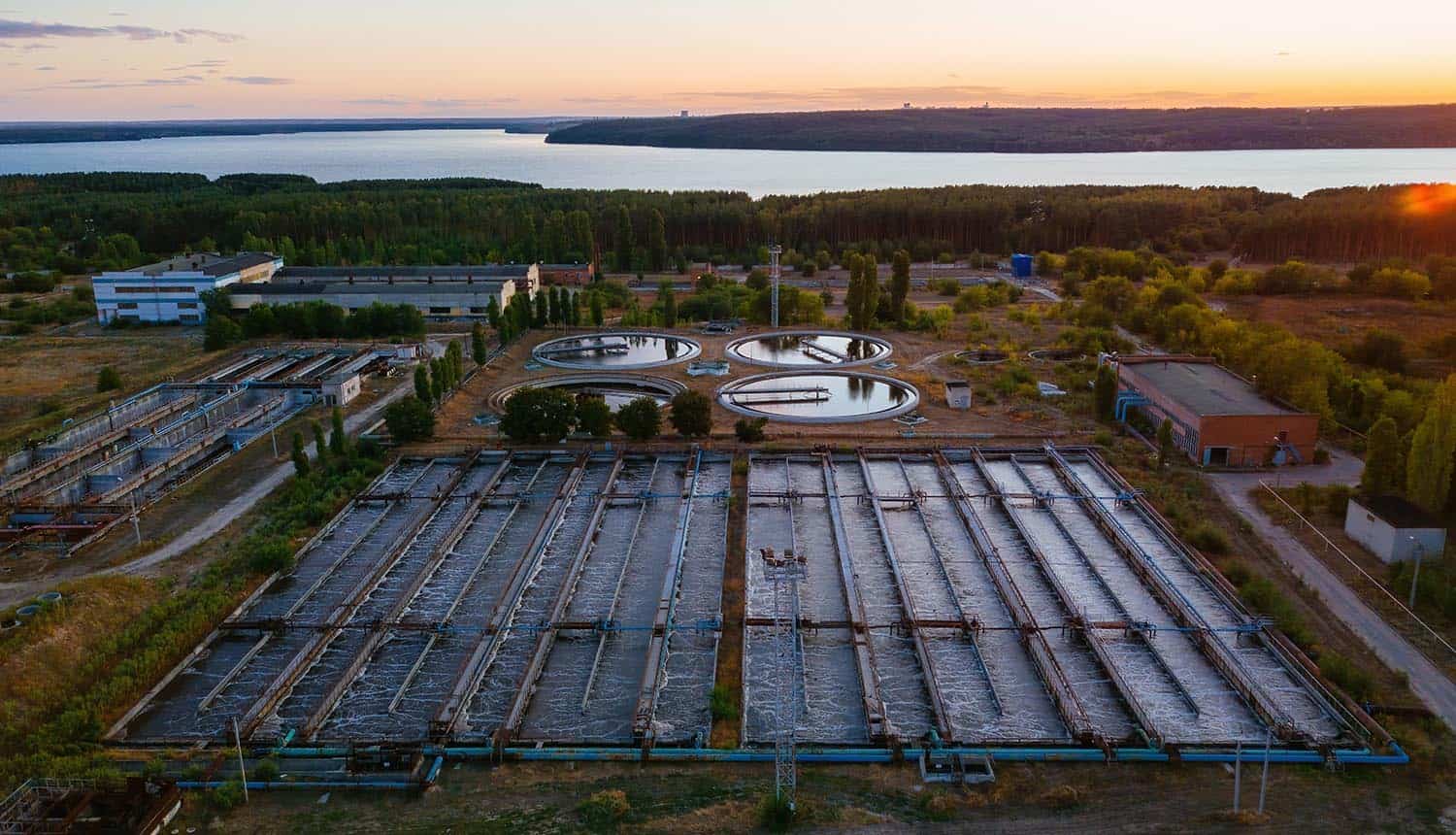
CISA has disclosed that more than 100 water systems across multiple U.S. states were affected by a coordinated cyber attack unofficially attributed to Iranian hackers.
Roughly in keeping with numbers seen in recent years, the Google Play Store announced that it blocked 1.43 million bad apps and banned 173,000 malicious or policy-violating developer accounts in 2022.
Cox communications data breach notification disclosed that unauthorized individual(s) accessed sensitive customer information after impersonating the company's support agent.
Misconfigured AWS buckets containing dozens of terabytes worth of social media messages were exposed to the public. The data found in Pentagon's leaked database was gathered by the U.S. military as part of their ongoing efforts to identify so called ‘persons of interest’, revealing the extent of internet surveillance.