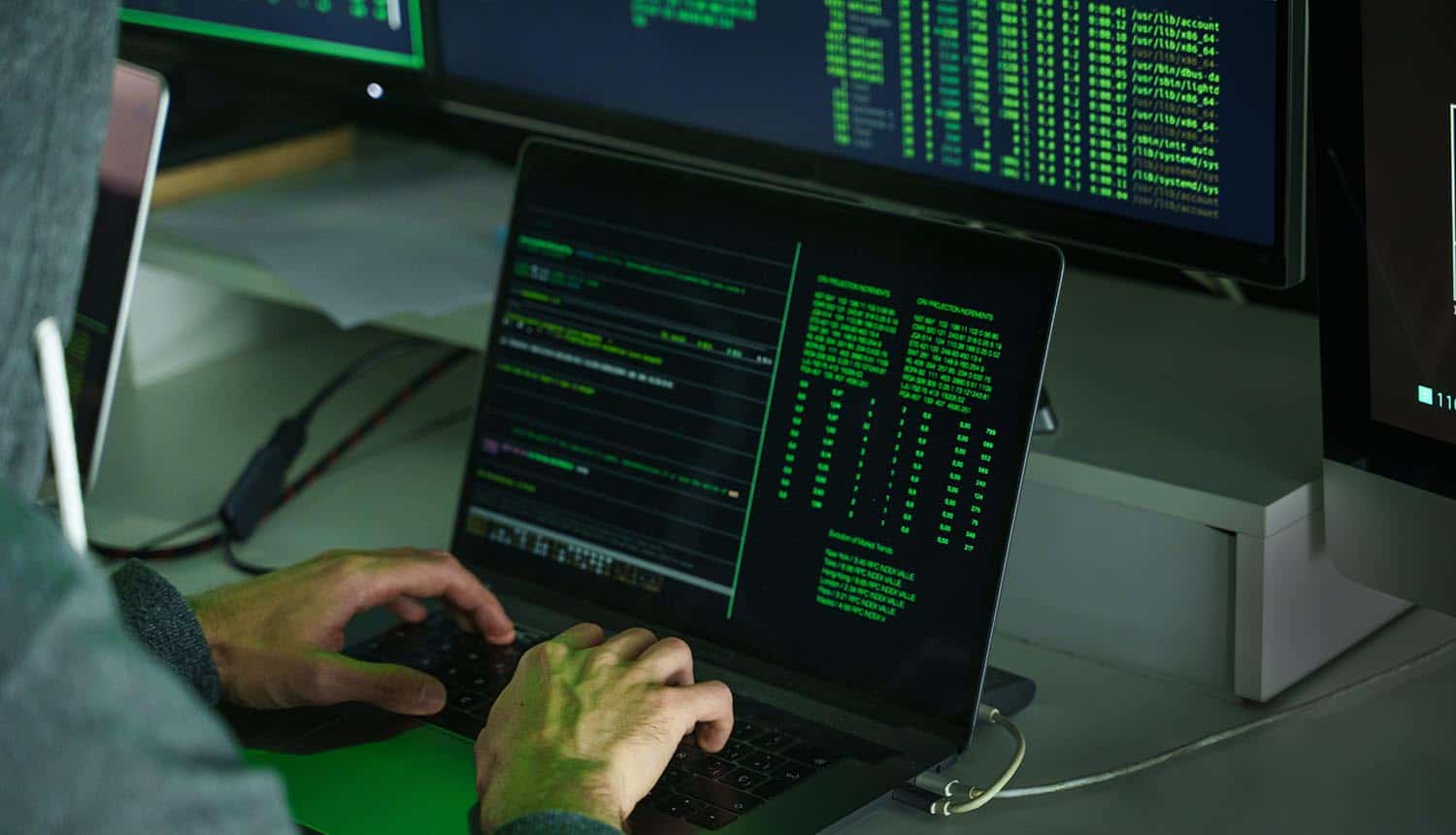
What kind of future can be achieved by focusing on the nexus of information security and data privacy? Better compliance, stronger alignment and greater accountability, just to name a few benefits.
Cyber Security
Cyber criminals, state-sponsored hackers and even the occasional disgruntled employee are constantly looking to gain unauthorized access for a variety of purposes: theft of money, cyber espionage, personal information for sale or for use in scams, and damage to critical infrastructure for just a few of the most common.
So how does an organization mitigate an entire world full of continual cyber attacks? Just as buildings have a number of necessary elements of physical security: access control, cameras, alarms and so on; there are similar key elements of cyber security that are absolutely vital for just about any modern business.
It starts with identifying and closing the most common doors that attackers use. For example, phishing attacks on employees are far and away the most common initial point of entry. The breach of even a low-level employee account can quickly turn into an escalation in access privileges and the ability to reach sensitive information. This is also true of smart devices, which are generally more poorly secured than computers and phones.
German automaker Volkswagen suffered a massive data leak, affecting over 800,000 electric vehicle owners, with over half of EVs leaking precise location data.
The speed at which applications are developed and deployed means businesses must move quickly to meet customer needs. While this is transformative for the development side of the house, security teams have been unable to keep up.
Malware-free attacks now account for 51% of all cyberattacks according to CrowdStrike's latest threat report, up 11% compared to the previous year. The trend marks a shift in the types of attacks used by cybercriminals.
Organizations now have massive volumes of data about their customers, clients, suppliers, patients, workers, and other stakeholders. Data governance will guarantee that your data is trustworthy, well-documented, easy to discover and access, safe, compliant, and confidential.
Attacks against healthcare institutions have become more prevalent. Driving this are several factors, including the dramatic drop in the value of stolen credit card data and the relative ease with which attackers can breach healthcare institutions.
New cloud-based data backup, protection and cybersecurity solutions that are compliant to the appropriate frameworks and certified will enable public sector agencies to maximize operational uptime and reduce the threat of ransomware attacks.
Colorado Department of Higher Education (CDHE) has suffered a massive data breach leaking sensitive personal information of current and former students and educators spanning over a decade.
The NSA has issue a cybersecurity advisory that Russian hackers are exploiting a unique vulnerability to gain access to computer systems by sending a specially crafted email to targeted users.
Meeting regulatory and legal compliance standards is not enough for cybersecurity today, effective data security requires companies to have a proactive mindset to challenge, enhance and improve.