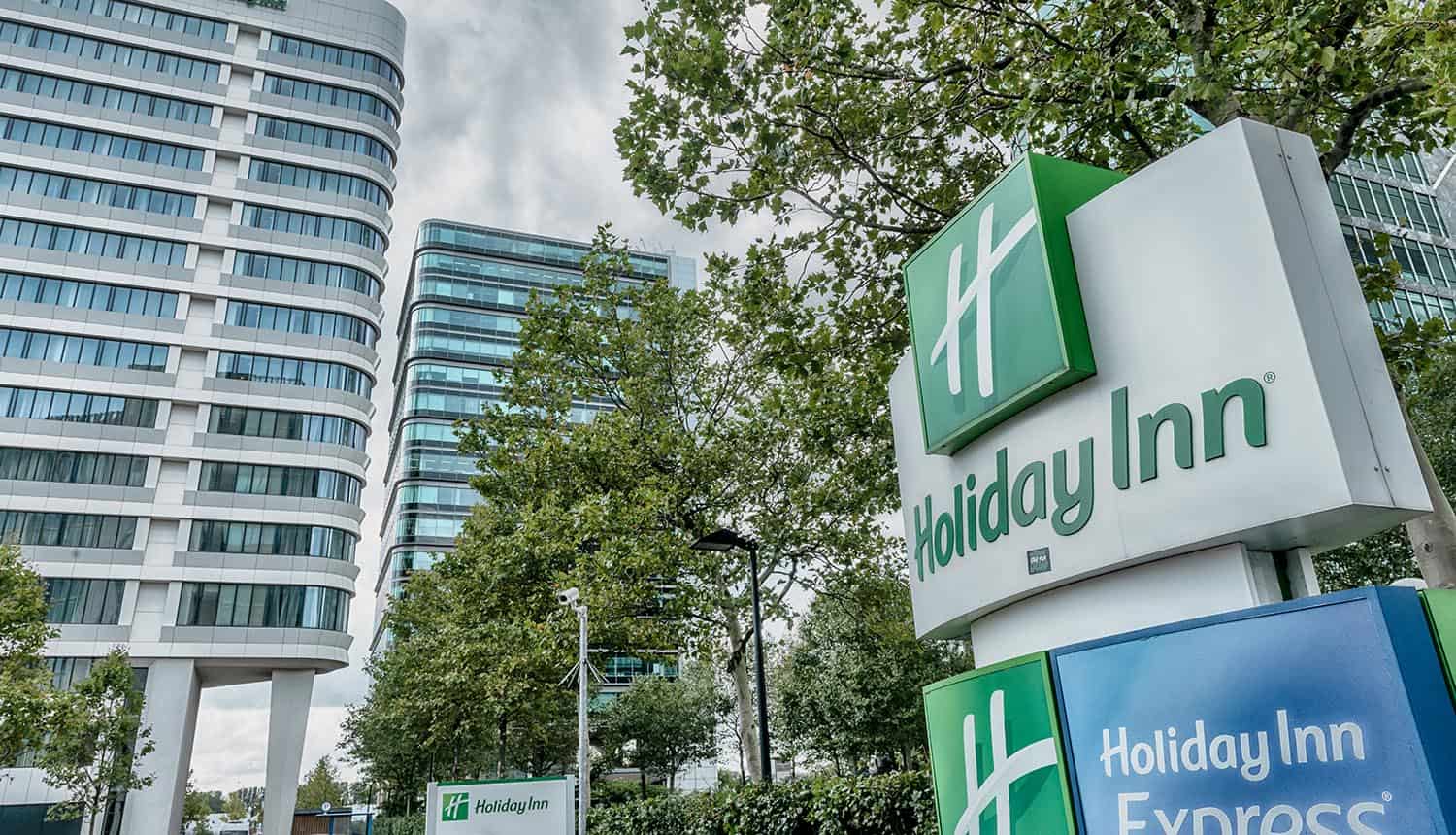
IHG Hotels & Resorts, the hotel group that owns the Holiday Inn and Intercontinental brands among numerous others, suffered a cyber attack on the first weekend of September that impacted its central hotel booking system and mobile apps.
Cyber Security
Cyber criminals, state-sponsored hackers and even the occasional disgruntled employee are constantly looking to gain unauthorized access for a variety of purposes: theft of money, cyber espionage, personal information for sale or for use in scams, and damage to critical infrastructure for just a few of the most common.
So how does an organization mitigate an entire world full of continual cyber attacks? Just as buildings have a number of necessary elements of physical security: access control, cameras, alarms and so on; there are similar key elements of cyber security that are absolutely vital for just about any modern business.
It starts with identifying and closing the most common doors that attackers use. For example, phishing attacks on employees are far and away the most common initial point of entry. The breach of even a low-level employee account can quickly turn into an escalation in access privileges and the ability to reach sensitive information. This is also true of smart devices, which are generally more poorly secured than computers and phones.
2021 was the year of ransomware, with attacks almost doubling in 2020. Cyber insurance providers, reeling from an historic couple of years, are maturing their qualification processes and raising the bar for pay-outs, so businesses can no longer rely on insurance alone as a protection and recovery strategy.
CISA published an insight document for critical infrastructure organizations to prepare for the transition to new post-quantum cryptography standards that NIST will announce soon.
Prime Minister Edi Rama ended diplomatic ties with Iran in a video statement on September 7, citing the July cyber attack and requiring the country's embassy staff to leave within 24 hours.
Attack campaigns conducted against Ukrainian government agencies and businesses have been linked to an initial access broker that appears to be staffed with former members of the Conti ransomware gang.
With the growing threat of cyber attacks, businesses are placing more of an emphasis on cybersecurity planning within their executive teams, integrating holistic incident response plans, and embracing new technology.
Russian hackers affiliated with the Killnet group executed a DDoS cyber attack that rendered 20 Japanese government websites inaccessible, including a tax and an e-Government portal.
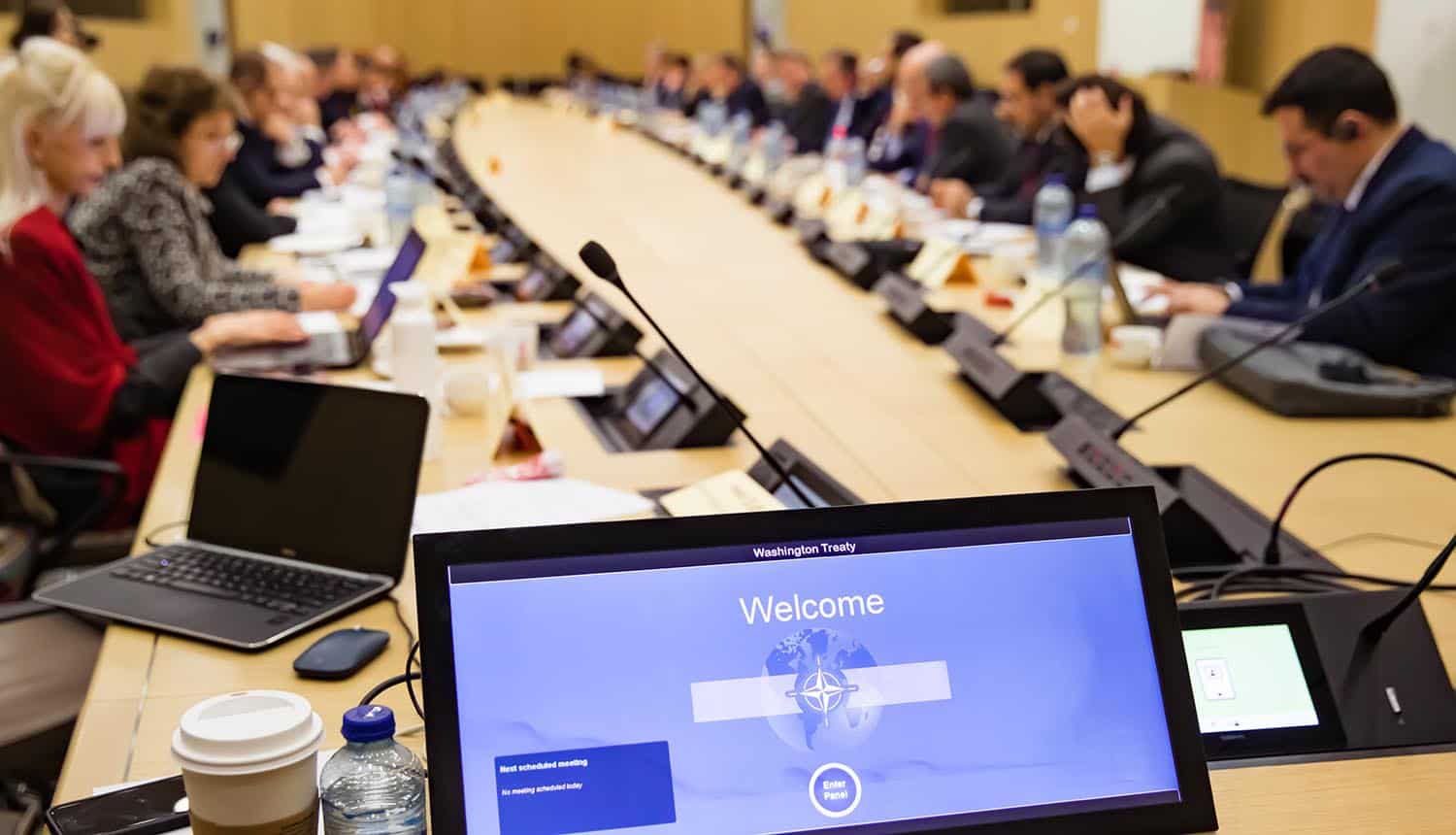
Hundreds of NATO documents of "extreme gravity" were reportedly stolen and made available on the dark web, and the Portuguese government is facing tough questions about why the breach was not discovered for weeks.
None of the candidate encryption algorithms to counter the threat of quantum computing are intended for the massive amounts of sensitive data stored “at rest”. Instead they are intended to replace those currently used for: (1) data in transit over the public internet; and (2) digital signatures used for authentication.
A credential stuffing attack on American outdoor apparel company, The North Face, compromised nearly 200,000 accounts just two years after a similar incident.