Imperva's Q2 2017 Global DDoS Threat Landscape Report highlights a disturbing new DDoS attack trend of repeat assaults and increased assault intensity.
Cyber Security
Cyber criminals, state-sponsored hackers and even the occasional disgruntled employee are constantly looking to gain unauthorized access for a variety of purposes: theft of money, cyber espionage, personal information for sale or for use in scams, and damage to critical infrastructure for just a few of the most common.
So how does an organization mitigate an entire world full of continual cyber attacks? Just as buildings have a number of necessary elements of physical security: access control, cameras, alarms and so on; there are similar key elements of cyber security that are absolutely vital for just about any modern business.
It starts with identifying and closing the most common doors that attackers use. For example, phishing attacks on employees are far and away the most common initial point of entry. The breach of even a low-level employee account can quickly turn into an escalation in access privileges and the ability to reach sensitive information. This is also true of smart devices, which are generally more poorly secured than computers and phones.
As enterprises work to weather the COVID-19 crisis, they are applying the lessons learned to strengthen their cyber resilience, and to embed data security, privacy and compliance into their IT infrastructure.
U.S. and European law enforcement agencies seized RaidForums and detained its founder and two accomplices after a year-long operation. Hacking site had at least 10 billion stolen records for sale and has more than 500,000 registered users.
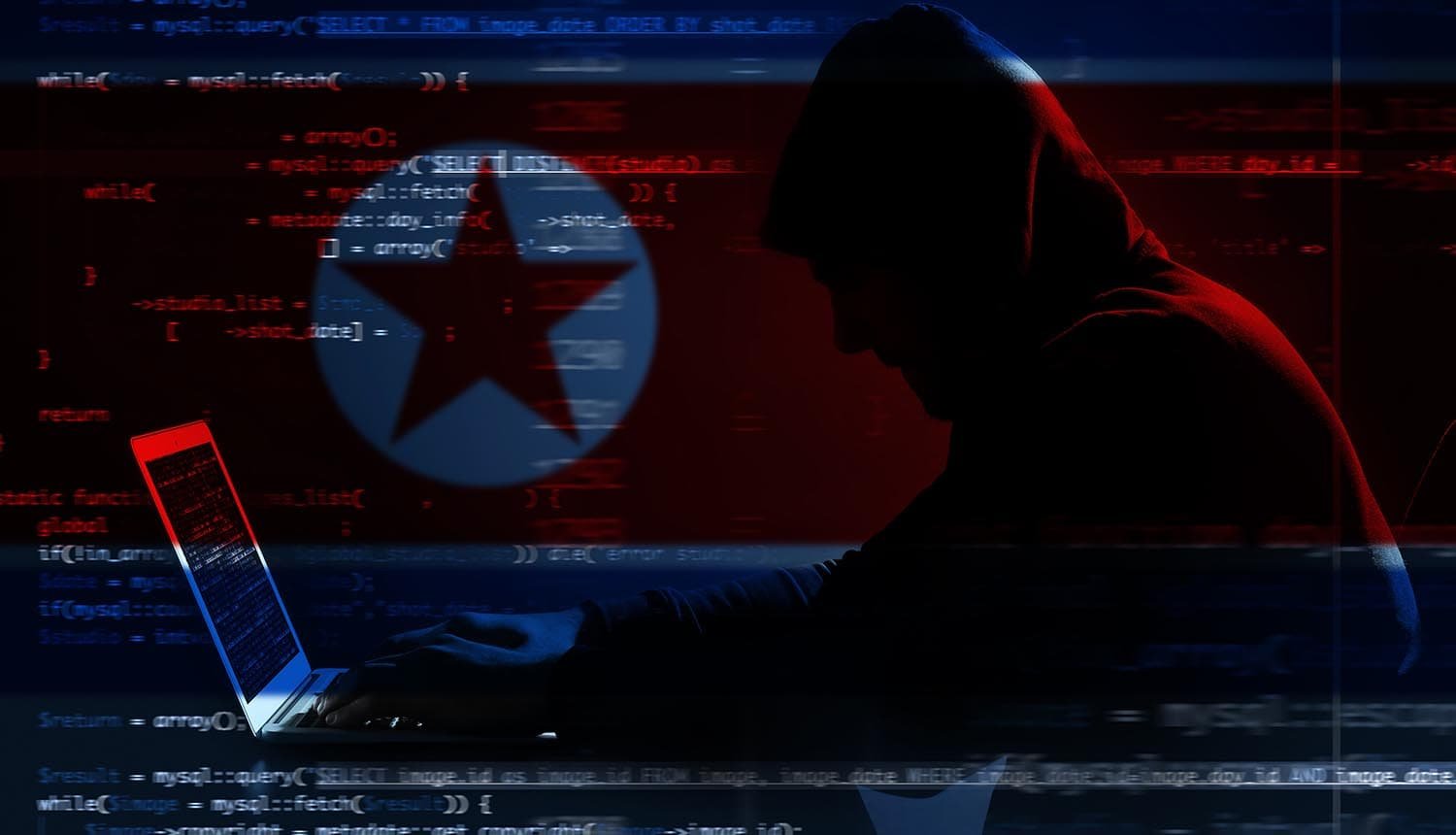
North Korean hackers had their secrets exposed online after altruistic hacktivists breached a computer belonging to a member of the state-backed Kimsuky group.
Data breach of U.S. Customs and Border Protection agency’s subcontractor has exposed around 100,000 travelers’ images which further highlight the importance of vendor security compliance.
Second ransomware attack on Toll Group in three months shows lightning can strike twice, and there's no grace period that's honored before the next attack.
One of my clients recently asked me what organizations should expect for information security and privacy in 2019. My short answer: More! Here is what to expect in five key areas in 2019, and beyond.
Whatever new technologies are adopted, social engineering will evolve in parallel and find work arounds. Even as these security defenses mature, it will always be easier to hack a human than hack a system.
Phishing is a massive cyber security threat and very much still plagues the healthcare industry. What are the email security setbacks faced by the healthcare providers which make them vulnerable?
Employees took cybersecurity shortcuts during the remote working period believing that they weren't as important and that their IT departments would protect them and handle their faults.