The 2024 election season is facing an unprecedented challenge: AI-driven disinformation and cyberattacks. As AI’s influence grows, its ability to spread misinformation, create deepfakes, and target election systems becomes more dangerous.
Cyber Security
Cyber criminals, state-sponsored hackers and even the occasional disgruntled employee are constantly looking to gain unauthorized access for a variety of purposes: theft of money, cyber espionage, personal information for sale or for use in scams, and damage to critical infrastructure for just a few of the most common.
So how does an organization mitigate an entire world full of continual cyber attacks? Just as buildings have a number of necessary elements of physical security: access control, cameras, alarms and so on; there are similar key elements of cyber security that are absolutely vital for just about any modern business.
It starts with identifying and closing the most common doors that attackers use. For example, phishing attacks on employees are far and away the most common initial point of entry. The breach of even a low-level employee account can quickly turn into an escalation in access privileges and the ability to reach sensitive information. This is also true of smart devices, which are generally more poorly secured than computers and phones.
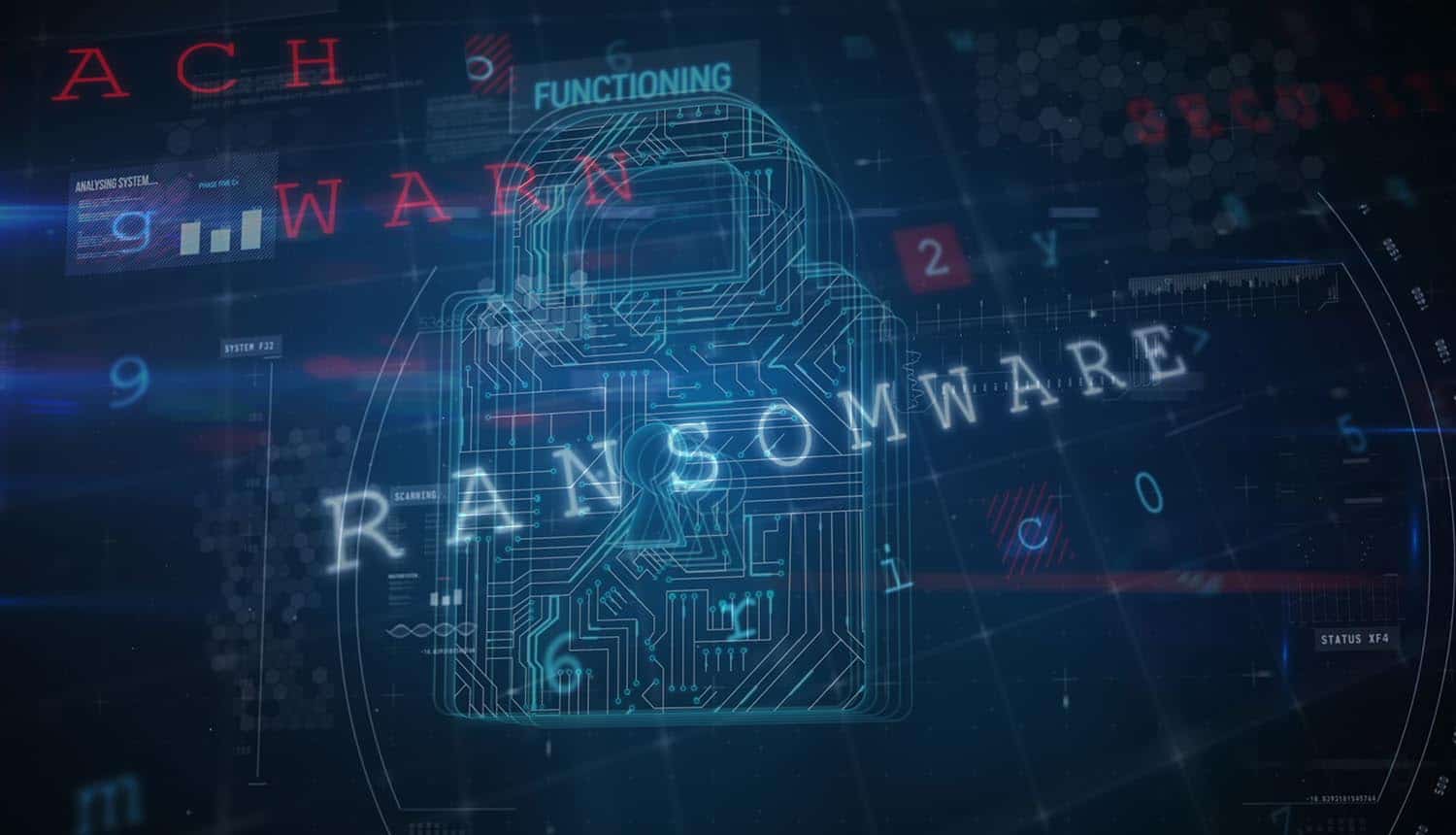
Blood donation service OneBlood has confirmed that the July 2024 ransomware attack claimed by the Russian RansomHub cybercrime group resulted in personal data breach.
Remote working in COVID-19 has brought us into a time of increased cybercrime. What are the cybersecurity practices that can prevent yourself from falling victim?
A new executive order from the Biden administration addresses a wide range of the potential harms that AI can cause, putting new safeguards in place for everything from biological materials engineering to deepfakes.
Consumers can now access all Microsoft accounts using passwordless authentication using Microsoft Authenticator App, Windows Hello, security key, or SMS and email verification codes.
ATM machines have always represented a “soft target” in the minds of criminals. What’s now clear is that the ATM card skimmer scams of years past pale in comparison with what’s possible now with jackpotting scams with cyber criminals turning every ATM they visit into casino slot machines with huge jackpots.
The cyber attack impacted a "small number of servers" but nevertheless caused issues with NHS 111 scheduling, and the system outages may not be fully resolved for at least several days.
Researchers with Truffle Security are warning that old and seemingly benign Google API keys might now be weaponized by threat actors after gaining Gemini AI authorization permissions, in a destructive attack that could target a victim's wallet.
Corporate identity theft is on the rise and its effects could potentially crash a successful business. What makes it easier to motivate the perpetrators compared to personal identity theft and what techniques do they use?
Remote and hybrid work business models are being adopted by organizations at an exponential rate. Enterprise Technology Management addresses some of the complexities of today’s technology management, asset visibility, employee access control, and compliance and audit readiness.