The FBI, CISA, and NSA issued a joint cybersecurity advisory about multiple APT groups that comprised a defense organization and exfiltrated sensitive data over a significant period.
Cyber Security
Cyber criminals, state-sponsored hackers and even the occasional disgruntled employee are constantly looking to gain unauthorized access for a variety of purposes: theft of money, cyber espionage, personal information for sale or for use in scams, and damage to critical infrastructure for just a few of the most common.
So how does an organization mitigate an entire world full of continual cyber attacks? Just as buildings have a number of necessary elements of physical security: access control, cameras, alarms and so on; there are similar key elements of cyber security that are absolutely vital for just about any modern business.
It starts with identifying and closing the most common doors that attackers use. For example, phishing attacks on employees are far and away the most common initial point of entry. The breach of even a low-level employee account can quickly turn into an escalation in access privileges and the ability to reach sensitive information. This is also true of smart devices, which are generally more poorly secured than computers and phones.

AI agents will change how SOCs work, but they won’t save a broken data foundation. If your telemetry is siloed, your schemas are inconsistent, or your context is missing, you’ll automate noise, not insight.
Law enforcement authorities have seized the notorious cybercrime forum RAMP, which advertised and facilitated the sale of various hacking services, including ransomware.
Iranian hackers impersonated Munich Security Conference and Think 20 Summit organizers to target high ranking diplomats and government officials for intelligence collection.
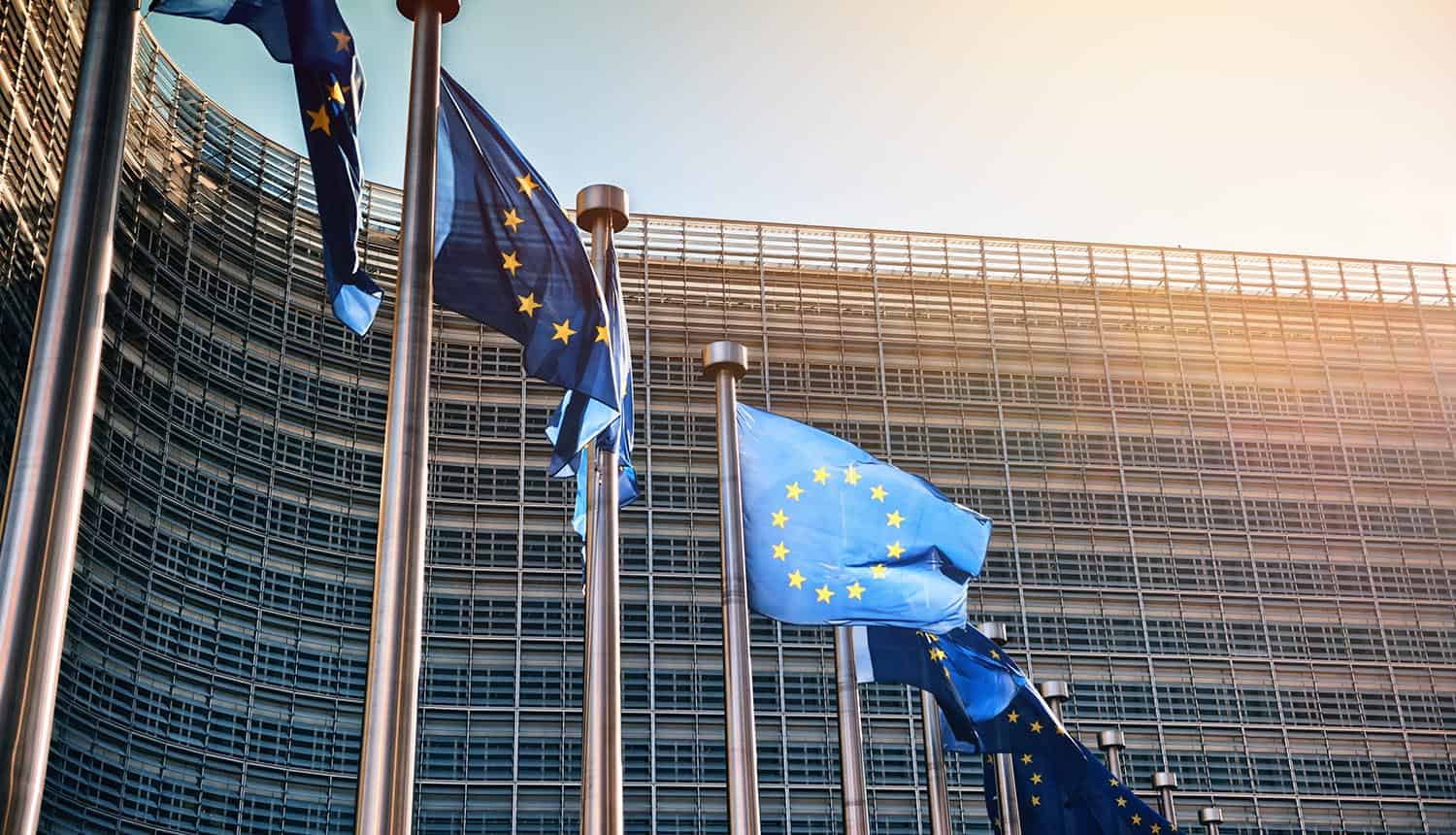
The European Commission is investigating a data breach that compromised the infrastructure used to manage mobile devices, which leaked the staff members’ personal information.
The cybersecurity strategies developed last year are already falling short. With distributed remote workforces now a business norm, companies need to change how they think about security and get their employees to partner with them.
The only way to keep a company’s defense up-to-date against ransomware attacks is with constant proactive activity from well-engineered cybersecurity teams.
Pandora cybercrime gang took responsibility for the ransomware attack on automotive supplier Denso and threatened to leak 1.4 terabytes of stolen data. Attack occurred hot on the heels of another compromise on Bridgestone.
The popularity of online gaming surged during the COVID-19 pandemic—and so did cyberattacks against gamers with 5.8 million attacks detected over the past year. Cybercriminals are becoming experts in deception which makes them increasingly difficult to detect.
The role of the CISO has evolved dramatically over the past decade. What was once a function centered on technical controls and perimeter defense has become a leadership position at the crossroads of business strategy, risk management and enterprise resilience.