Deepfakes are a relatively new phenomenon, first starting to emerge on the internet in late 2017 but techniques to replace one face with another in a very realistic and natural-looking way have been available for years now, so why is there such a panic brewing over deepfakes?
Cyber Security
Cyber criminals, state-sponsored hackers and even the occasional disgruntled employee are constantly looking to gain unauthorized access for a variety of purposes: theft of money, cyber espionage, personal information for sale or for use in scams, and damage to critical infrastructure for just a few of the most common.
So how does an organization mitigate an entire world full of continual cyber attacks? Just as buildings have a number of necessary elements of physical security: access control, cameras, alarms and so on; there are similar key elements of cyber security that are absolutely vital for just about any modern business.
It starts with identifying and closing the most common doors that attackers use. For example, phishing attacks on employees are far and away the most common initial point of entry. The breach of even a low-level employee account can quickly turn into an escalation in access privileges and the ability to reach sensitive information. This is also true of smart devices, which are generally more poorly secured than computers and phones.
Anthropic's calls the incident the "first reported AI-orchestrated cyber espionage campaign" and has attributed it with high confidence to a Chinese state-sponsored group it calls GTG-1002. The campaign took place in mid-September and the integration of AI agents for performance of autonomous tasks is described as unprecedented.
The official word from Meta, via its main Instagram account, is that an "issue" that allowed third parties to request password resets for "some people" was fixed on January 11 and that users could safely ignore the strange password reset messages. They also reassured users that there is no new data breach.
A third-party data breach involving a U.S. contractor exposed the personal information of over 2 million Aflac cancer and Zurich automobile insurance policyholders in Japan.
GitHub has shared a DMCA filing from Twitter that indicates source code leak was apparently posted on the site shortly after Elon Musk's introductory round of layoffs began.
Microsoft has released security patches for the zero-day vulnerability chain dubbed ToolShell, capable of remote code execution on SharePoint, resulting in the exploitation of at least 54 organizations worldwide.
Fast food chain Chick-fil-A has experienced a data breach stemming from credential stuffing attacks using login details from a third-party source to compromise accounts.
Factors like the COVID-19 pandemic has eased people into the idea of quicker, passwordless authentication options. From protecting finger scan data to real-time facial recognition best practices, let’s explore how the biometrics industry is enhancing its security measures.
The Vulkan Files revealed insight into Russian cyberwar plans and strategies and that company engineers work directly for Russian military and intelligence outfits and train state-backed hackers, run disinformation campaigns and provide support for cyber attacks.
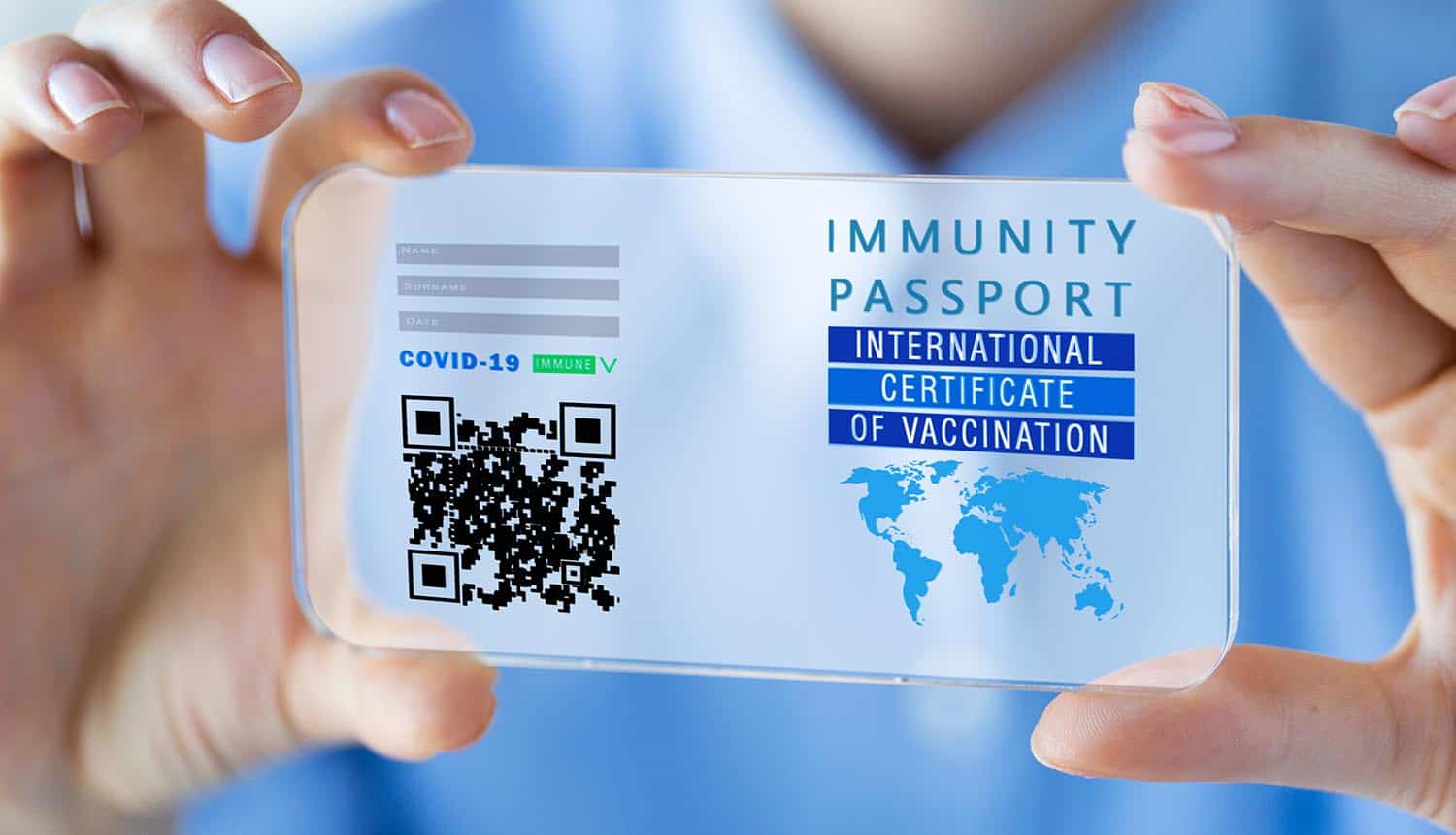
Countries are looking at vaccine passports as the ‘door opener’ for a return to normalcy. At the same time, threat actors know too well that taking advantage of the current pandemic has been a very lucrative over the last 18 months.