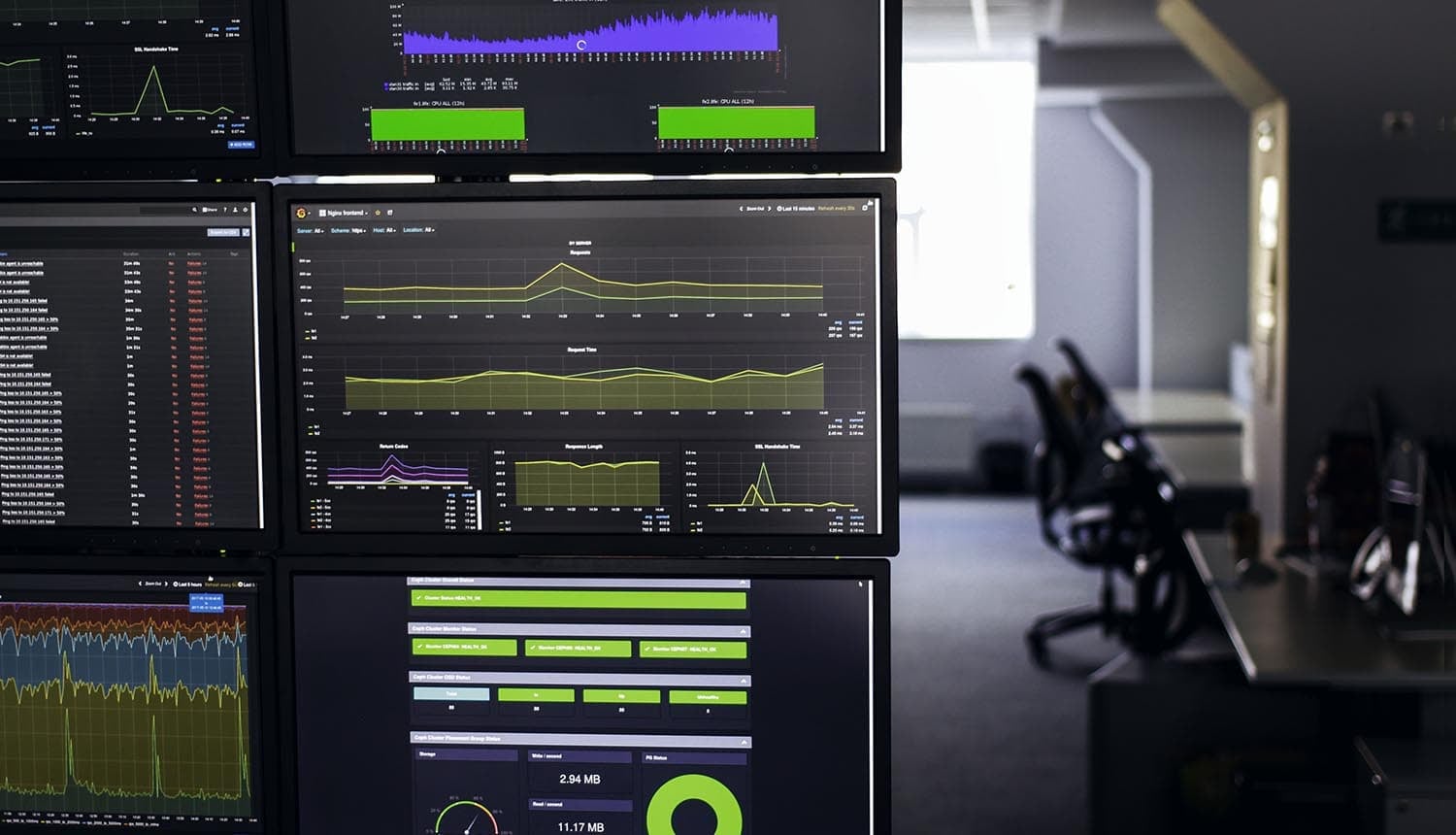
DreamHost database leak exposed nearly 815 million records of customer data from the WordPress hosting platform. User account and configuration information was exposed.
Cyber Security
Cyber criminals, state-sponsored hackers and even the occasional disgruntled employee are constantly looking to gain unauthorized access for a variety of purposes: theft of money, cyber espionage, personal information for sale or for use in scams, and damage to critical infrastructure for just a few of the most common.
So how does an organization mitigate an entire world full of continual cyber attacks? Just as buildings have a number of necessary elements of physical security: access control, cameras, alarms and so on; there are similar key elements of cyber security that are absolutely vital for just about any modern business.
It starts with identifying and closing the most common doors that attackers use. For example, phishing attacks on employees are far and away the most common initial point of entry. The breach of even a low-level employee account can quickly turn into an escalation in access privileges and the ability to reach sensitive information. This is also true of smart devices, which are generally more poorly secured than computers and phones.
For people to build good cyber hygiene habits, they need ongoing reinforcement that keeps these activities top of mind. Technology teams must regularly communicate with their end-users, treating them like customers and partners, to build a proactive mindset over time that bleeds into the user’s security mindset.
We are living in the middle of an arms race in cybersecurity. Adversaries are leading the way, while the good guys reconfigure and retool, and the cycle continues. What does the crystal ball look like for the cybersecurity and risk management world of 2022?
Data leak occurred when a sensitive document was mistakenly shared in connection to a freedom of information request, and takes place amidst a backdrop of increased tensions and fears of terrorism that have been growing since early 2023.
What should you do if you knew today that a serious data breach would most likely lead to a string of public relations disasters, costing you millions, taking up 20% of the average IT staff day for two years?
As we enter 2026, AI-native automation is fundamentally reshaping telemetry pipeline management. As a result, around 80% of configuration tasks currently hand-built by Observability/Security teams will be automated, transforming the roles of those teams from builders to strategic drivers.
Hackers exploited a zero-day vulnerability in antivirus software that caused a data breach at Mitsubishi Electric, exposing technical and sales materials, and personal data of over 8,000 employees.
Zero Trust architecture (ZTA) has quickly become one of the hottest new trends in enterprise cyber security. What are the benefits? What role does digital identity and access management play in the Zero Trust model?
Many cybersecurity issues are affecting 5G. In this article, we will be focusing on the 3 most severe ones – latency, passive eavesdropping and user impersonation.
Medical companies affected by AMCA healthcare data breach have begun alerting investors and shareholders which may cause them to lose tens of millions of dollars in stock market valuation.