An apparent cyber attack bearing the hallmarks of a ransomware incident has disrupted operations at oil service giant Halliburton’s Houston campus location and some global networks.
Cyber Security
Cyber criminals, state-sponsored hackers and even the occasional disgruntled employee are constantly looking to gain unauthorized access for a variety of purposes: theft of money, cyber espionage, personal information for sale or for use in scams, and damage to critical infrastructure for just a few of the most common.
So how does an organization mitigate an entire world full of continual cyber attacks? Just as buildings have a number of necessary elements of physical security: access control, cameras, alarms and so on; there are similar key elements of cyber security that are absolutely vital for just about any modern business.
It starts with identifying and closing the most common doors that attackers use. For example, phishing attacks on employees are far and away the most common initial point of entry. The breach of even a low-level employee account can quickly turn into an escalation in access privileges and the ability to reach sensitive information. This is also true of smart devices, which are generally more poorly secured than computers and phones.
Identity security needs to be like salt. A good identity management solution is always there, always working, and always streamlining access without sacrificing security.
Clearview AI will be fined £7,552,800, and has been ordered to stop collecting facial recognition data in the UK and to delete all of the data it had previously collected.
A Europol-headed law enforcement operation has put a serious dent in the dropper malware ecosystem, disrupting the botnets that these dropper systems rely on to function, with over 100 servers and 2,000 domains impacted across about a dozen countries.
New US National Security Directive: Foreign Internet Routers Require Special FCC Approval to be Sold
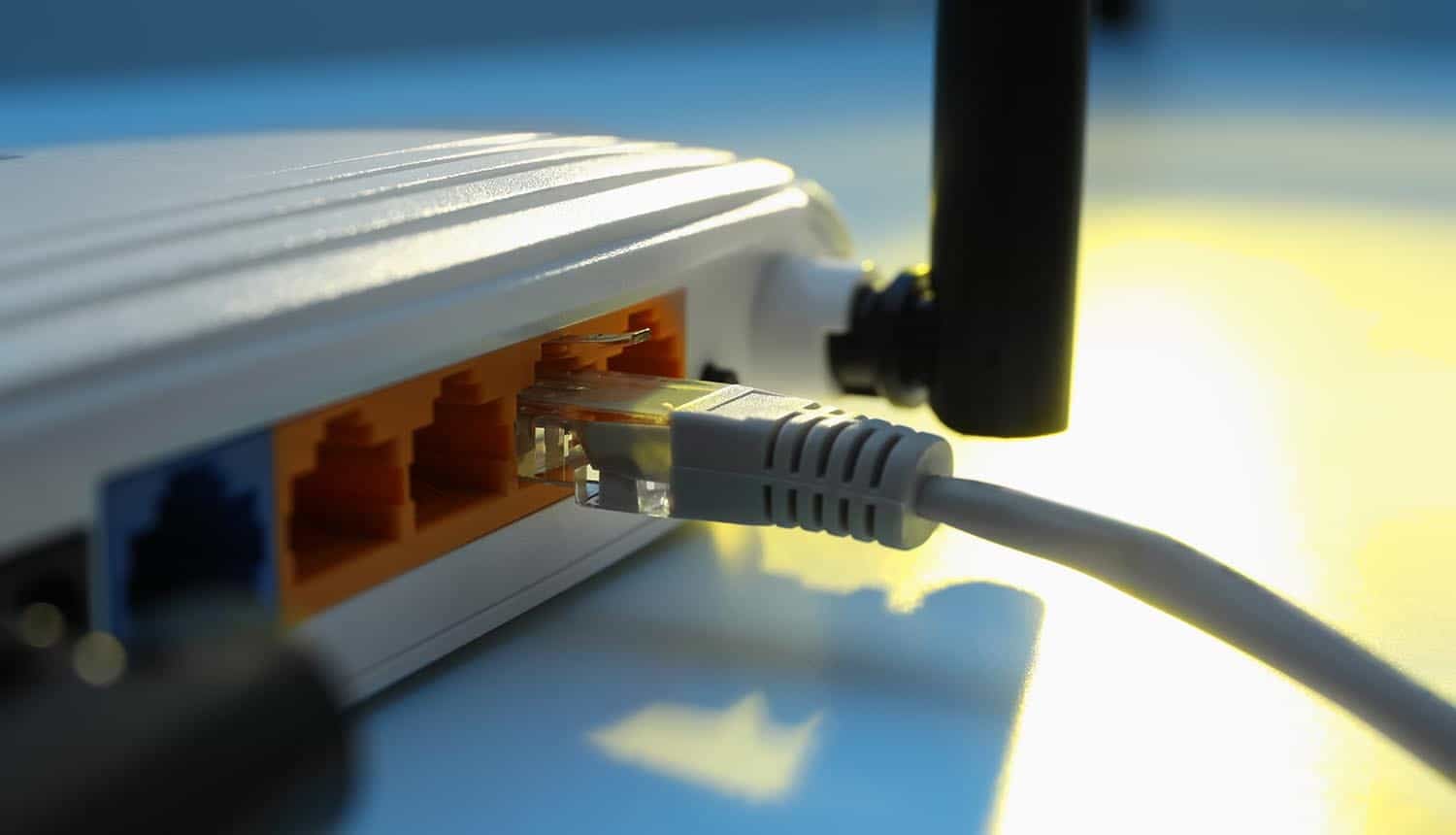
Consumer-grade internet routers have been added as a category to the FCC's Covered List, which establishes communications equipment and services deemed to be an unacceptable national security risk. Some individual manufacturers, such as Huawei and ZTE, have already been added to this list in years past.
With data breaches happening every day, it's time for enterprises to understand the severity of password reuse and prevent it from becoming a costly affair.
Describing cyber threats as one of its primary challenges, the FBI is asking for an additional $64 million in 2024 to add 192 new positions and improve its cyber capabilities. Much of the budget request focuses on the looming threat that China poses.
Cyber resilience has become the industry’s favorite word, but few of the organizations using it can show they would survive a destructive attack.
How do technology partners, cloud providers, vendors, distributors, customers and organizations earn trust? There is no simple answer, but compliance standards play a significant role. There can be no trust without transparency, and modern compliance helps organizations make their security practices considerably less opaque.
Third-party systems form a critical component of customer experience in current digital marketplace. Companies should be aware of third party risks at all times while reaping the benefits of the increased integration.