Improving cybersecurity maturity can be a struggle for organizations at every level as the industry collectively grapples with skills shortages and a complex threat landscape. Building a mature development organization can strengthen overall security.

Cyber Security
Cyber criminals, state-sponsored hackers and even the occasional disgruntled employee are constantly looking to gain unauthorized access for a variety of purposes: theft of money, cyber espionage, personal information for sale or for use in scams, and damage to critical infrastructure for just a few of the most common.
So how does an organization mitigate an entire world full of continual cyber attacks? Just as buildings have a number of necessary elements of physical security: access control, cameras, alarms and so on; there are similar key elements of cyber security that are absolutely vital for just about any modern business.
It starts with identifying and closing the most common doors that attackers use. For example, phishing attacks on employees are far and away the most common initial point of entry. The breach of even a low-level employee account can quickly turn into an escalation in access privileges and the ability to reach sensitive information. This is also true of smart devices, which are generally more poorly secured than computers and phones.
Deepfake audio is becoming the powerful new tool to perform AI cyber attacks by impersonating executives to convince employees to authorize money transfers.
Many countries now mandate that its citizens’ data must stay in the country. This is counter to the spirit of globalization and adds layers of complexity to delivering IT services and security. It is time to put data at the center of modern security programs.
A massive 600 gigabyte file containing about 2.2 billion breached accounts has been spotted floating about the dark web, freely available to anyone who cares to download it via torrent.
We live in an age that values authenticity: being true to who you are and what you value. It is ironic, then, that one of the more recent innovations of the past few years—Large Language Models, or Generative AI—is in the process of undermining authenticity itself.
As the turmoil and momentum of a critical election year heightens, the biggest danger isn't necessarily the security of ballot machines. Instead, it lies in misinformation, exacerbated by the nature of social media, biased algorithms, and the proliferation of fake news.
A new chapter of cyberwarfare has unfolded with U.S. recent cyberattacks against Iran and Russia. What would the future digital battleground look like and how could nations defense against such threats?
Microsoft and the U.S. Department of Justice have seized over 100 domains used by Kremlin-backed Russian hackers Star Blizzard for cyber espionage against the West.
Companies with significant amounts of sensitive stored data – whether stored on site or in the cloud -- should begin to invest in emerging quantum-resistant data storage, key management, and multiple encryption technologies.
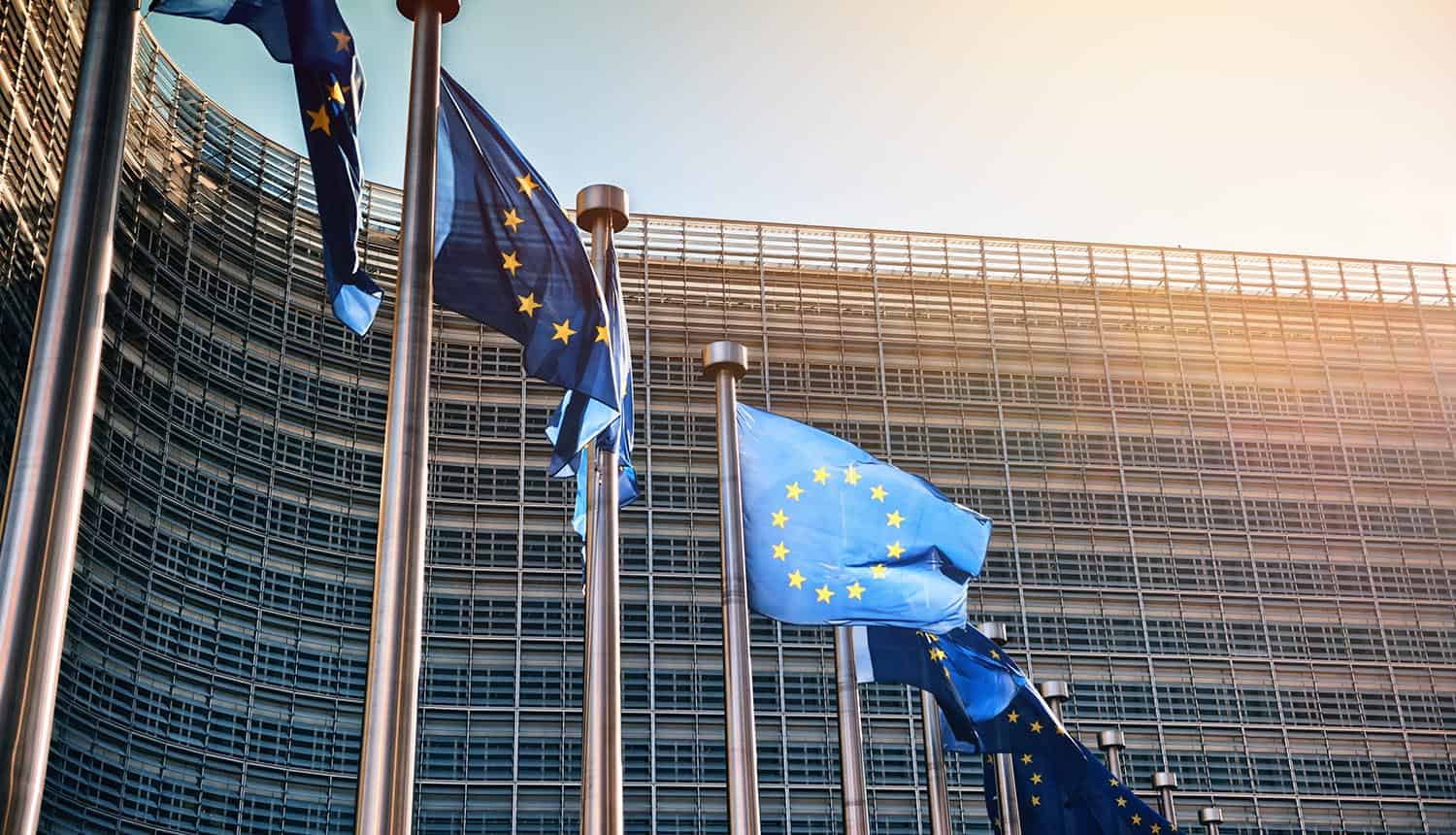
The European Commission is investigating a data breach that compromised the infrastructure used to manage mobile devices, which leaked the staff members’ personal information.