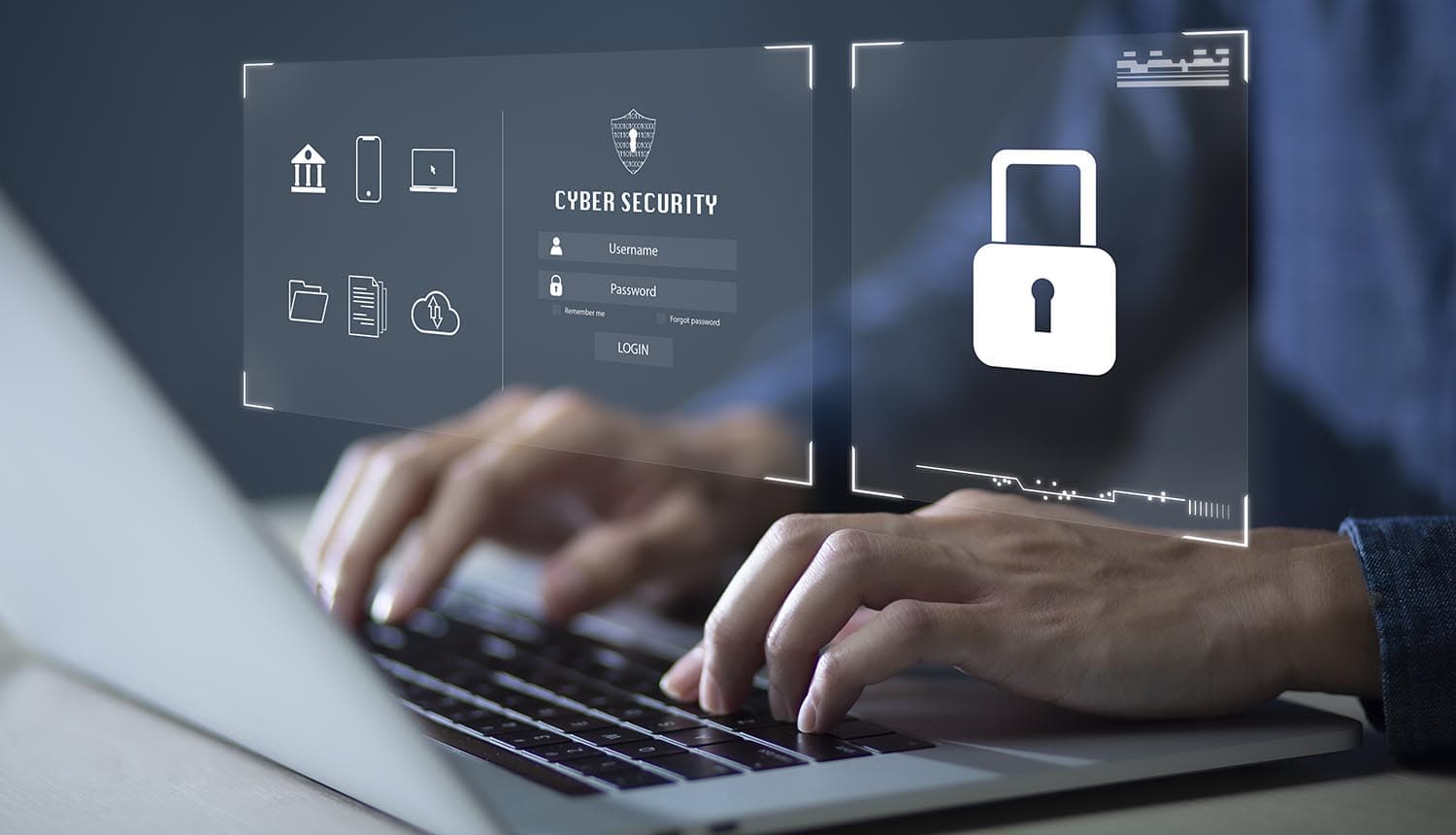
WEF2019 global risk report has named cyber attacks and data breaches as the fourth and fifth most serious risks facing the world, and will do more damage than man-made environmental disasters.
Cyber Security
Cyber criminals, state-sponsored hackers and even the occasional disgruntled employee are constantly looking to gain unauthorized access for a variety of purposes: theft of money, cyber espionage, personal information for sale or for use in scams, and damage to critical infrastructure for just a few of the most common.
So how does an organization mitigate an entire world full of continual cyber attacks? Just as buildings have a number of necessary elements of physical security: access control, cameras, alarms and so on; there are similar key elements of cyber security that are absolutely vital for just about any modern business.
It starts with identifying and closing the most common doors that attackers use. For example, phishing attacks on employees are far and away the most common initial point of entry. The breach of even a low-level employee account can quickly turn into an escalation in access privileges and the ability to reach sensitive information. This is also true of smart devices, which are generally more poorly secured than computers and phones.

Google issued an explanatory series of posts on X outlining that there were no new passwords stolen, and that any legitimate credentials came from an assortment of prior data breaches stretching back years that have been circulating on underground forums. Much of the collection was built via infostealer malware.
WeWork, a co-working company which operates in world's biggest cities, was reported running a WiFi security breach since 2015. Companies’ information was exposed to anyone who has local network password in the office.
Rough year for WeWork as cybersecurity researcher discovers an exposed database containing customer contracts and financial data by way of a public Github.
Find out what's the current capabilities of AI in the fight against online payment fraud, where human expertise fits into the current fraud-prevention ecosystem, and what’s on the horizon as AI improves.
Making educated decisions about cyber security requires high-quality information. Analyst firms are happy to provide information. But is the information they provide genuinely useful? Are they adding value to the conversation? Ultimately, great leadership, thoughtful strategy and superior execution is key to success.
Brands need to safeguard their social presence, protect their customers’ data and avoid account takeover fraud after massive data leaks like Facebook’s.
Are the privacy and data misuse scandals finally catching up with Facebook stock? There are lessons every business should heed to avoid a direct and shocking blow to company value.
Identity security needs to be like salt. A good identity management solution is always there, always working, and always streamlining access without sacrificing security.
Declining a ransom payment demand can leave the business at a standstill. Companies achieve better outcomes when they have a strategy and pre-defined path to act instantly and decisively to restore systems, resume operations, and defend against additional actions.