New report shows nearly 75 percent of U.S. federal agencies are still woefully unprepared and deemed to be “at risk” or “at high risk” of a cyber attack.
Cyber Security
Cyber criminals, state-sponsored hackers and even the occasional disgruntled employee are constantly looking to gain unauthorized access for a variety of purposes: theft of money, cyber espionage, personal information for sale or for use in scams, and damage to critical infrastructure for just a few of the most common.
So how does an organization mitigate an entire world full of continual cyber attacks? Just as buildings have a number of necessary elements of physical security: access control, cameras, alarms and so on; there are similar key elements of cyber security that are absolutely vital for just about any modern business.
It starts with identifying and closing the most common doors that attackers use. For example, phishing attacks on employees are far and away the most common initial point of entry. The breach of even a low-level employee account can quickly turn into an escalation in access privileges and the ability to reach sensitive information. This is also true of smart devices, which are generally more poorly secured than computers and phones.

Increased credit card usage has resulted in higher rates of credit card fraud, and financial institutions are bearing the brunt of the financial losses. Recently, fraudsters are committing synthetic identity fraud by cultivating identities and developing credit histories over time leading to the call for new solutions.
A Security Information and Event Management (SIEM) can play an important role in GDPR compliance. It can serve as a centralized point for all data collection and analysis, and offer intelligent insights into malicious behavior so you can be alerted of security incidents before they become an impactful data breach.
Is facial recognition software secure by design? A question rarely asked is “how safe is the infrastructure that holds and processes all this data?” As long as organizations refuse to audit the security of their suppliers, facial recognition software will remain inherently unsafe, especially in the hands of the police.
Making educated decisions about cyber security requires high-quality information. Analyst firms are happy to provide information. But is the information they provide genuinely useful? Are they adding value to the conversation? Ultimately, great leadership, thoughtful strategy and superior execution is key to success.
By now, it’s safe to assume that everyone’s personal information has been compromised in some way. The digital nature of our world come with risks and since the cyberthreats facing us all extend beyond the four walls of the workplace, so should our cybersecurity efforts.
Today’s heightened threat level imposes responsibilities on both sides of the equation: Cloud service providers must continually evaluate their security posture to offer rigorous protection to customers. And leaders protecting their organization must choose the solution that best meets their unique security needs.
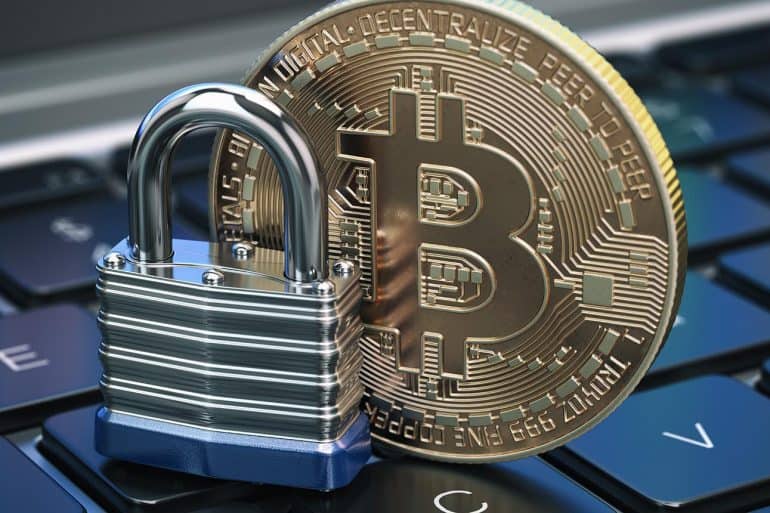
There is an obvious problem with how we approach cyber security. But blockchain may enable a single marketplace of enterprises, consumers, vendors and geographically-diverse security experts to help revise the hiring model, make cyber security more efficient, and decrease the impact of malicious attacks globally.
Both governments and companies are shepherding the application of blockchain technology across various industries, and of particular interest is how the technology will usher in an era of blockchain contracts. While the blockchain holds promise, there are legal concerns beyond the technological benefits and challenges.
GDPR requires a comprehensive approach to information security, compliance, governance and risk. Even though security tools are just one piece of the GDPR compliance puzzle, they are an important aspect of protecting consumer data privacy. What are the eight must-have security tools for maintaining GDPR compliance?