Alibaba's web scraping data leak exposed over 1 billion user records leading to the imprisonment of the implicated software developer and his employer for three years.
Cyber Security
Cyber criminals, state-sponsored hackers and even the occasional disgruntled employee are constantly looking to gain unauthorized access for a variety of purposes: theft of money, cyber espionage, personal information for sale or for use in scams, and damage to critical infrastructure for just a few of the most common.
So how does an organization mitigate an entire world full of continual cyber attacks? Just as buildings have a number of necessary elements of physical security: access control, cameras, alarms and so on; there are similar key elements of cyber security that are absolutely vital for just about any modern business.
It starts with identifying and closing the most common doors that attackers use. For example, phishing attacks on employees are far and away the most common initial point of entry. The breach of even a low-level employee account can quickly turn into an escalation in access privileges and the ability to reach sensitive information. This is also true of smart devices, which are generally more poorly secured than computers and phones.
Making their web applications resilient to web skimming or data theft efforts requires ecommerce businesses to prioritize client-side security. With automated solutions, businesses can achieve complete visibility and control over all JavaScripts running on their client-side web pages.
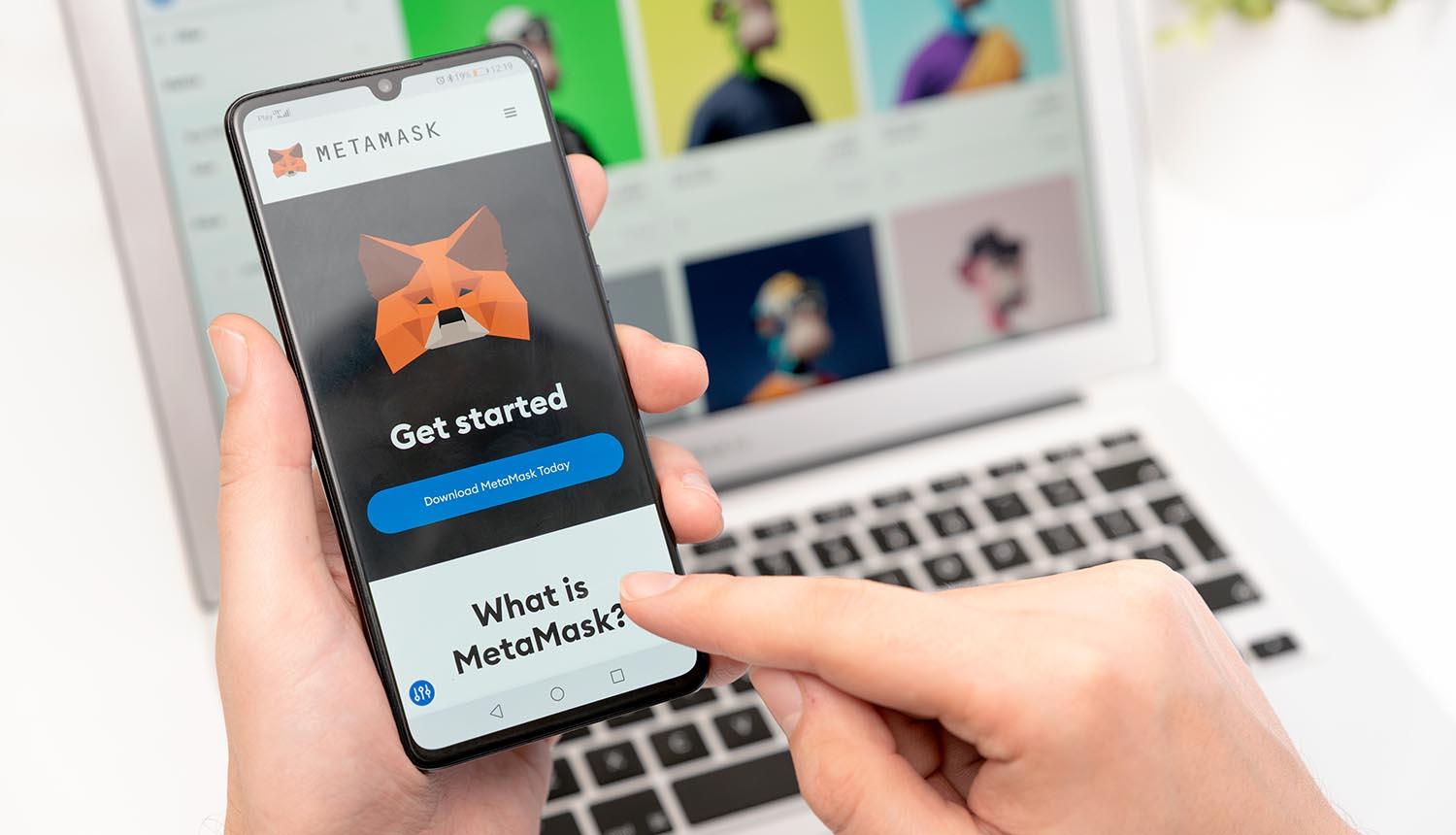
The Chinese hackers are distributing backdoored Web3 wallets, primarily targeting searches for Coinbase Wallet, imToken, MetaMask and Token Pocket, and are focused on both iOS and Android users.
WebTPA Employer Services has notified the U.S. Department of Health and Human Services (HHS) of a massive data breach that leaked the personal information of over 2.4 million health insurance plan members.
A WeChat zero-click attack method could enable a malicious actor to take over the victim’s account or even compromise the device without user interaction.
Cybersecurity and AI has dominated the recently concluded WEF at Davos. Yet, there is still a lot more to be done in terms of close and constant cooperation between the pioneering private organizations and the forward thinking governments. Simple right? Easier said than done.
WEF2019 global risk report has named cyber attacks and data breaches as the fourth and fifth most serious risks facing the world, and will do more damage than man-made environmental disasters.
Google issued an explanatory series of posts on X outlining that there were no new passwords stolen, and that any legitimate credentials came from an assortment of prior data breaches stretching back years that have been circulating on underground forums. Much of the collection was built via infostealer malware.
WeWork, a co-working company which operates in world's biggest cities, was reported running a WiFi security breach since 2015. Companies’ information was exposed to anyone who has local network password in the office.
Rough year for WeWork as cybersecurity researcher discovers an exposed database containing customer contracts and financial data by way of a public Github.