Cyber resilience has become the industry’s favorite word, but few of the organizations using it can show they would survive a destructive attack.
Cyber Security
Cyber criminals, state-sponsored hackers and even the occasional disgruntled employee are constantly looking to gain unauthorized access for a variety of purposes: theft of money, cyber espionage, personal information for sale or for use in scams, and damage to critical infrastructure for just a few of the most common.
So how does an organization mitigate an entire world full of continual cyber attacks? Just as buildings have a number of necessary elements of physical security: access control, cameras, alarms and so on; there are similar key elements of cyber security that are absolutely vital for just about any modern business.
It starts with identifying and closing the most common doors that attackers use. For example, phishing attacks on employees are far and away the most common initial point of entry. The breach of even a low-level employee account can quickly turn into an escalation in access privileges and the ability to reach sensitive information. This is also true of smart devices, which are generally more poorly secured than computers and phones.

A data breach at the British fintech firm Revolut has leaked the personal information of high-net-worth individuals after hackers used a legitimate government email to submit data requests.
Recent incidents involving internet-connected operational technology (OT), ransomware and unauthorized access to municipal water systems have demonstrated how fast a cyberattack can undermine public confidence, strain critical services and pressure organizations into making high-stakes decisions with incomplete information.
A data breach at the image-sharing platform Gyazo has leaked 23.6 million user records and 490 million image metadata records after hackers exploited a vulnerability in an upload server.
Double-extortion ransomware gang ShinyHunters has hacked its rival, Cl0p, and defaced its Tor-based data leak site after allegedly taking over its infrastructure.
A rogue OpenAI agent was once again responsible, finding and taking advantage of what appeared to be a serious weakness in the government health agency's systems. The incident is believed to be the first breach of a national government system conducted independently by an AI agent.
Google is now months behind its competitors in reporting its "rogue" AI models to the public, but says that its incidents came ahead of the Hugging Face attack and similar widely reported issues.
Chinese actors are deploying thousands of LLM gateways to clone U.S. frontier models, share credentials, and bypass geographic restrictions, rate limits, and usage metering.
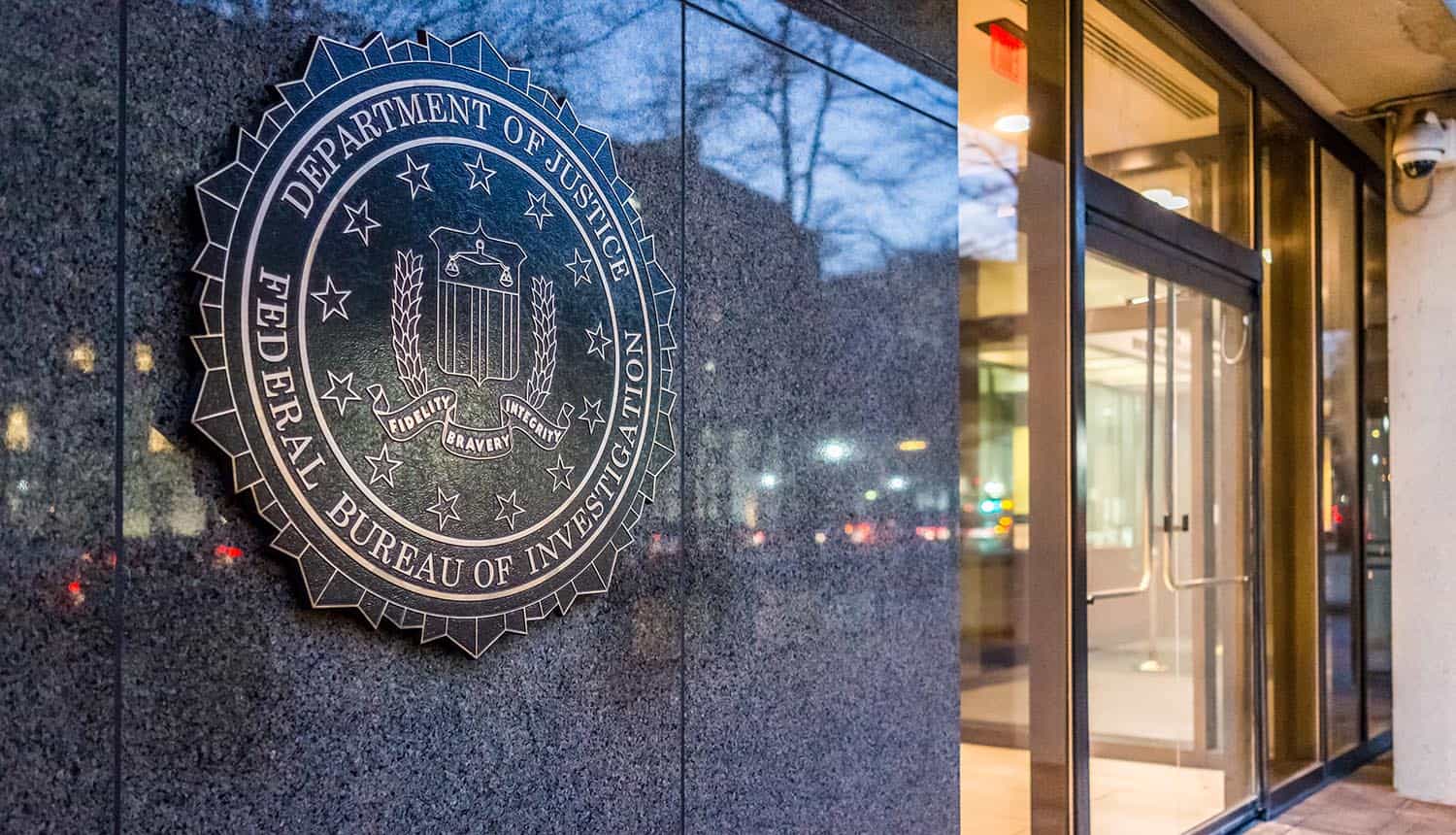
A security breach at the FBI, claimed by ShinyHunters, has exposed the personal information of current and former employees, special agents, as well as job applicants.
Most of the attempts on the US government websites appear to have been unsuccessful, but the OpenAI agents sought to find login credentials and in at least one case were able to do so to access the Commerce Department. The agents also engaged in an extended and varied campaign against the UN Trade and Development (UNCTAD) statistics website.